The Definitive Guide to Alor Diving Expeditions
At the far eastern edge of the Lesser Sunda Islands lies an archipelago of volcanic sentinels and crystalline seas. This is Alor, a destination that remains a well-guarded secret among a select cadre of expedition divers and underwater photographers. Our Alor diving expeditions are curated for the discerning traveller, offering an unfiltered encounter with some of the most biodiverse and pristine marine ecosystems on the planet, far from the well-trodden paths of mainstream tourism.
The Allure of Alor: Beyond the Beaten Path
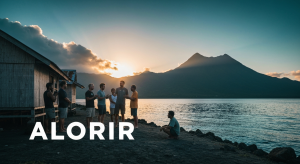
Positioned in the remote province of East Nusa Tenggara (NTT), the Alor archipelago is a world away from the bustling hubs of Indonesian tourism. Its isolation is its greatest asset. The journey here, typically via the regional airport in Kalabahi (KBU), is a prelude to an experience defined by raw, untouched nature. The islands, including Alor, Pantar, Pura, and their smaller siblings, are characterised by dramatic volcanic landscapes, arid hillsides, and small, traditional fishing villages that cling to the coastlines.
This is not a destination for the casual holidaymaker. It is a frontier for the dedicated explorer. The waters that surround these islands form a critical channel within the Indonesian Throughflow, the immense current that transfers water from the Pacific to the Indian Ocean. This constant movement of water, particularly through the narrow Pantar Strait, creates a nutrient-rich environment that fuels an explosion of marine life, from the smallest pygmy seahorse to the largest oceanic sunfish. The result is a diving environment that is dynamic, challenging, and profoundly rewarding.
Our Alor diving expeditions are designed around this untamed character. We navigate these powerful currents and explore secluded bays with the deep-seated knowledge that only comes from years of dedicated reconnaissance. Every itinerary is a carefully considered balance of adrenaline and tranquillity, of world-class critter hunting and awe-inspiring pelagic encounters. This is exploration in its purest form.
World-Class Diving in the Coral Triangle’s Epicentre
Alor’s reputation is built on the sheer diversity and quality of its underwater encounters. The archipelago offers a complete diving portfolio, satisfying the most specialised macro photographer and the most ardent pelagic seeker in a single voyage. The combination of nutrient-rich upwellings, powerful currents, and pristine coral health makes every descent a journey of discovery.
A Macro and Muck Diving Paradise
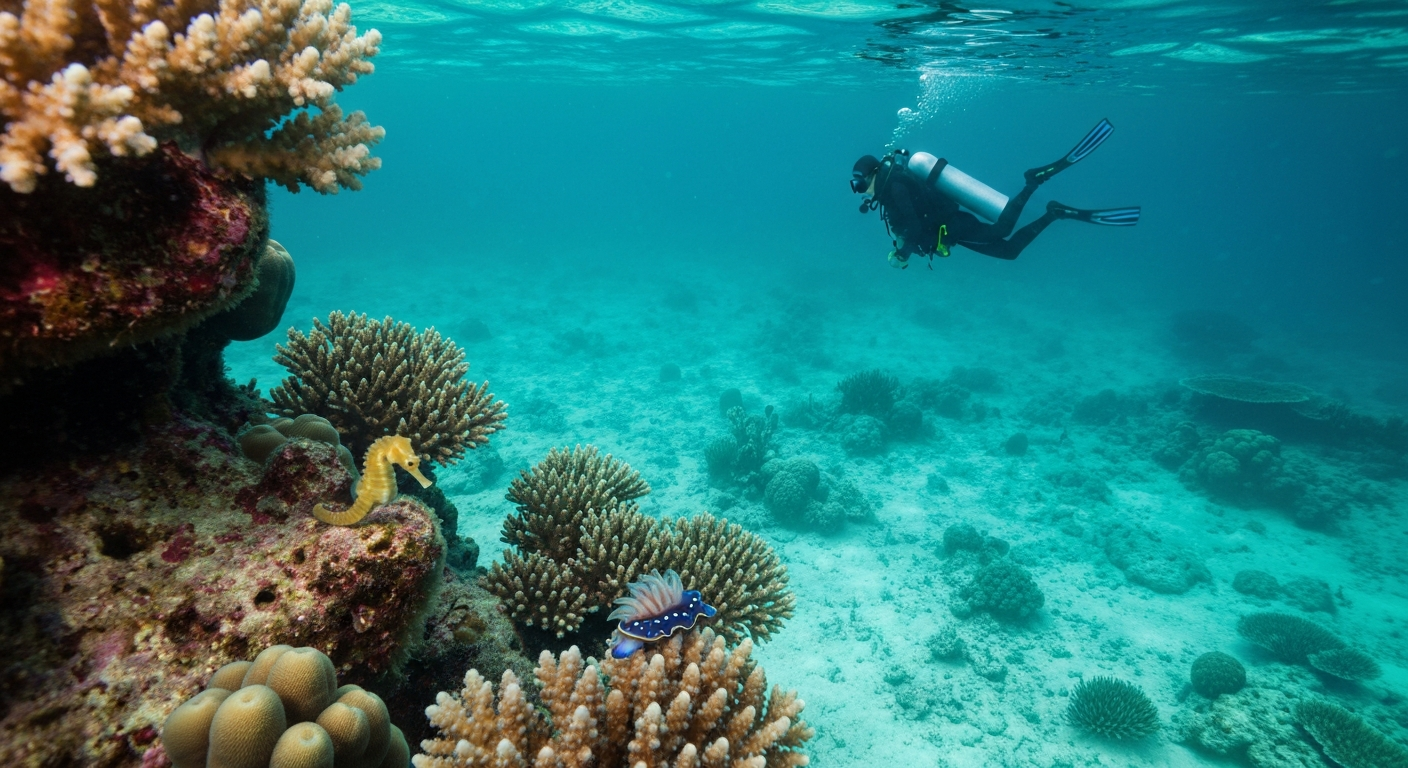
For those with a keen eye for the minute and the bizarre, Alor is a veritable treasure chest. The black volcanic sands of Kalabahi Bay and the sheltered slopes around Beang and Marisa provide the perfect habitat for a staggering range of rare critters. These sites, often referred to as “muck diving” locations, are far from barren. They are bustling metropolises of marine curiosities. Here, we consistently find the elusive Rhinopias, a genus of scorpionfish prized by photographers for their ornate camouflage and rarity. Encounters with various species of ghost pipefish, flamboyant cuttlefish, wonderpus, and numerous nudibranchs are commonplace. The challenge is not finding life, but deciding what to focus on.
Pristine Reefs and Pelagic Encounters
Away from the sand, Alor’s reefs are simply striking. Sites like “Clown Valley” near Pura Island are legendary, featuring vast fields of anemones teeming with countless anemonefish. The coral gardens are a testament to the region’s health, with vibrant soft corals, immense barrel sponges, and sprawling table corals creating a complex, multi-layered topography. The visibility is often exceptional, reaching 30 metres or more, allowing for remarkable wide-angle photography.
It is in the blue, however, where Alor’s power is truly felt. The currents of the Pantar Strait attract large pelagic species. Schools of dogtooth tuna and giant trevally patrol the reef edges. Thresher sharks are frequently sighted in the deeper waters, and seasonal aggregations can bring scalloped hammerheads to specific offshore seamounts. The ultimate prize for many divers visiting Alor is an encounter with the enigmatic Mola Mola, or oceanic sunfish. During the cooler water months, these giants ascend from the deep to visit cleaning stations, offering a truly humbling spectacle for those fortunate enough to witness it.
Our Bespoke Alor Diving Expeditions
An expedition into a region as remote and dynamic as Alor requires more than just a vessel; it demands unparalleled local expertise and a deep understanding of the archipelago’s complex rhythms. At Alor Diving Expeditions, we eschew the one-size-fits-all approach. Our liveaboard journeys are meticulously planned to synchronise with the optimal tides, currents, and seasonal marine life migrations, ensuring you are in the right place at the right time.
We operate with small groups of discerning divers, fostering an intimate and collaborative atmosphere on board. This allows for a flexible itinerary that can adapt to prevailing conditions and the specific interests of our guests. Our expedition leaders and dive guides are not merely instructors; they are seasoned naturalists and photographers with thousands of dives in these specific waters. Their ability to locate rare critters, interpret animal behaviour, and safely navigate challenging currents is central to the success of our trips. Each member of our team is vetted through a rigorous process that values deep regional experience and a commitment to our editorial standards of safety and ecological responsibility.
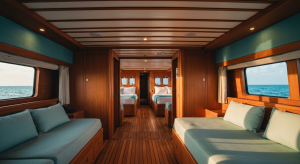
The experience extends beyond the diving. Life aboard our vessel is one of comfort and camaraderie, with excellent cuisine and well-appointed cabins providing a welcome sanctuary after a day of exploration. We believe a true expeditionary spirit is best served by a platform that is both highly capable and exceptionally comfortable.
A Cultural Tapestry: Engaging with the Abui People
A journey to Alor is incomplete without acknowledging the rich human history woven into its rugged landscapes. The archipelago is home to a fascinating diversity of ethnic groups, each with its own unique language and traditions. A highlight of our Alor diving expeditions is the opportunity for a respectful and authentic cultural exchange with the Abui people, one of the region’s most prominent indigenous tribes.
We arrange visits to a traditional Abui village in the cool highlands, a world away from the coastal fishing communities. Here, in a setting of simple bamboo homes, you can gain insight into a way of life that has remained largely unchanged for centuries. The Abui are known for their intricate *ikat* weaving and their historical connection to the bronze *moko* drums, which once served as currency and remain important ceremonial objects. Our interactions are facilitated by local guides and conducted with the utmost respect for the community’s customs, ensuring a genuine exchange rather than a staged performance. This cultural immersion provides a profound context to the natural beauty of Alor, deepening the connection to this remarkable corner of Indonesia.
The Alor Archipelago: A Seasonal Guide for the Discerning Diver
Timing is a critical element when planning an expedition to Alor. The archipelago’s marine life and diving conditions are governed by two distinct seasons, each offering a unique set of opportunities.
Dry Season: April to November
This is widely considered the prime season for diving in Alor. The weather is generally sunny and dry, and the seas are at their calmest, allowing for smooth crossings and comfortable access to all dive sites, including the more exposed offshore locations. Water visibility is typically at its peak during these months. This period represents the best all-round conditions for experiencing the full spectrum of Alor’s underwater offerings, from vibrant reefs to pelagic action.
Mola Mola Season: August to October
Within the dry season, the period from late August to early October offers the highest probability of encountering the oceanic sunfish, Mola Mola. During these months, cool, nutrient-rich upwellings from the deep attract these giants to shallower cleaning stations. Water temperatures, particularly in the southern part of the Pantar Strait, can drop to 24-25°C, so a 5mm wetsuit is recommended. For many, the chance to dive with Mola Mola makes this the most exciting time to plan their Alor diving expeditions.
Wet Season: December to March
The wet season brings intermittent rains and potentially rougher surface conditions. While some remote sites may be less accessible, the diving can still be excellent, especially for macro life. The reduced number of visitors and the lush, green landscapes offer a different, more introspective experience. This season is often favoured by dedicated macro photographers who appreciate the focus on sheltered critter sites.
Frequently Asked Questions about Alor Diving
What is the best way to get to Alor?
The gateway to the Alor archipelago is Mali Airport (KBU) in Kalabahi. You can fly here from major Indonesian hubs like Bali (DPS), Jakarta (CGK), or Surabaya (SUB), usually with a connection in Kupang (KOE), the capital of East Nusa Tenggara. Upon your arrival in Kalabahi, our team will meet you and handle all transfers to the liveaboard.
What level of diving experience is required?
Our Alor diving expeditions are best suited for advanced divers. Due to the presence of strong and sometimes unpredictable currents, we recommend a minimum of an Advanced Open Water certification with at least 50 logged dives. Experience in drift diving is highly beneficial. Your safety and comfort are paramount, and our guides will provide thorough briefings for every dive.
What are the typical water temperatures and what wetsuit should I bring?
Water temperatures in Alor vary. In the northern and central areas, temperatures are a comfortable 27-29°C. However, in the south and during Mola Mola season (August-October), upwellings can drop the temperature to 24-26°C, and occasionally lower. We recommend a 5mm full-length wetsuit to ensure you are comfortable in all conditions. A hood or vest can provide extra warmth if you are sensitive to the cold.
What kind of marine life can I expect to see?
Alor offers incredible biodiversity. For macro enthusiasts, expect Rhinopias, pygmy seahorses, frogfish, ghost pipefish, and a vast range of nudibranchs. On the reefs, you will see pristine hard and soft corals teeming with fish life. Pelagic sightings can include reef sharks, thresher sharks, eagle rays, tuna, and seasonal encounters with hammerheads and the famous Mola Mola.
Is Alor suitable for underwater photography?
Alor is a world-class destination for underwater photography. The diversity offers superb opportunities for both wide-angle and macro setups. We recommend bringing both. The clear waters are ideal for capturing vibrant reefscapes, while the muck sites provide a canvas for creative macro and super-macro imaging. Our vessel has a dedicated camera room with charging stations and rinse tanks.
What is included in the expedition price?
Our expedition packages are comprehensive. They typically include airport transfers in Alor, accommodation on the liveaboard, all meals and snacks, coffee, tea, and drinking water, and up to four guided dives per day (conditions permitting), including tanks and weights. Please check the specific details for your chosen trip at the time of booking for a complete list of inclusions.
What is not included in the price?
Exclusions generally consist of international and domestic flights, marine park and harbour fees, dive equipment rental, nitrox fills, alcoholic beverages, and crew gratuities. Travel and dive insurance are mandatory for all guests and are not included in the package price. We can provide a detailed list of these costs upon enquiry.
How do you ensure sustainable and responsible tourism?
We are deeply committed to preserving the pristine environment of Alor. We adhere to a strict no-touch policy on all dives, practice responsible waste management on board, and use mooring buoys wherever possible to avoid anchor damage. Our cultural visits are conducted in partnership with the local community to ensure they are respectful and economically beneficial for the village.
What is the best time of year for Mola Mola sightings?
The peak season for reliable Mola Mola (oceanic sunfish) sightings in Alor is from August through to early October. This period coincides with cooler water temperatures brought by deep-water upwellings, which bring the Mola to shallower depths to be cleaned by reef fish. While sightings are possible at other times, this window offers the highest probability.
What currency is used and should I bring cash?
The local currency is the Indonesian Rupiah (IDR). While on board, most incidental expenses can be settled at the end of the trip. However, it is advisable to bring some cash in Rupiah for small purchases in local villages, for crew gratuities, or for any personal expenses before or after your expedition. There are limited ATM facilities in Kalabahi.
Is there internet or phone signal available?
Connectivity in the Alor archipelago is extremely limited. You may get a weak cellular signal near the main town of Kalabahi, but for the majority of the expedition, as we explore the remote islands, you should expect to be offline. This digital detox is part of the appeal of a true expedition to a remote destination like Alor.
Begin Your Alor Expedition
The currents of Alor are calling. To receive a detailed itinerary or to consult with one of our expedition specialists about planning your journey to this extraordinary archipelago, please contact us. We look forward to sharing this remarkable corner of the world with you.
Enquiries can be directed to our planning team via email at bd@juaraholding.com or through WhatsApp at +62 811-3941-4563.