The Definitive Guide to Alor Diving Expeditions
At the far eastern edge of Indonesia’s Lesser Sunda Islands, the Alor archipelago remains one of diving’s last great frontiers. A convergence of powerful seas, ancient cultures, and staggering biodiversity, it offers an experience far removed from the well-trodden reef. For the discerning diver and expedition traveller, this is the definitive guide to planning and undertaking truly world-class Alor diving expeditions, a journey into the heart of the Coral Triangle’s untamed beauty and vibrant marine life.
What Makes Alor a World-Class Diving Destination?
Alor’s reputation among seasoned divers is built on a foundation of geographical serendipity and pristine preservation. Positioned between the Flores and Banda Seas, the archipelago acts as a formidable channel within the Indonesian Throughflow—a massive exchange of water between the Pacific and Indian Oceans. This constant movement of water, funnelled through the narrow Pantar Strait, creates a nutrient-rich environment where marine life thrives in extraordinary abundance and diversity. The result is an underwater ecosystem of unparalleled health and vibrancy.
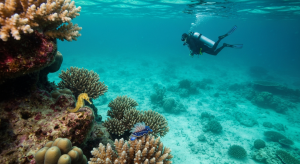
Unlike more accessible destinations, Alor has remained largely insulated from the pressures of mass tourism. Its remoteness is its greatest asset. The reefs here are not just intact; they are electric with life. Vast, flourishing hard and soft coral gardens stretch as far as the eye can see, free from the scars of anchor damage or diver overuse. This pristine condition means that Alor diving expeditions offer a glimpse into what the ocean’s reefs looked like decades ago. It is a destination that demands a commitment to travel, and in return, it delivers an authentic sense of discovery on every single dive.
The sheer variety is staggering. One dive might be a gentle exploration of a black-sand bay in Beang, searching for cryptic rhinopias and wonderpus. The next could be a high-octane drift dive along the walls of Pura Island, navigating swirling currents alongside schooling trevally and the occasional passing shark. This dynamic range, from world-class muck diving and macro photography to exhilarating pelagic encounters, is what elevates Alor from a great diving spot to a truly comprehensive, world-class expedition destination.
The Signature Marine Encounters of Alor
While the overall health of the ecosystem is Alor’s defining feature, certain signature encounters draw divers and underwater photographers from across the globe. These are the moments that define Alor diving expeditions, a testament to the archipelago’s unique underwater topography and oceanic currents.
The Elusive Mola Mola and Pelagic Giants
For many, the primary allure is the chance to encounter the enigmatic Oceanic Sunfish, or Mola Mola. Alor is one of the few places on earth where these giants can be reliably sighted. The deep, cold-water trenches surrounding the islands create powerful upwellings, bringing these deep-water dwellers closer to the surface to visit cleaning stations. The thrill of watching a multi-tonne Mola appear from the blue, its massive form being tended to by bannerfish, is an memorable experience. While sightings are most common during the cooler water months from July to October, the currents that attract them also bring other pelagics. Thresher sharks are frequently seen in the deep waters, along with pods of dolphins, pilot whales, and even the occasional migrating whale shark or hammerhead school.
Pygmy Seahorses and Macro Marvels
At the other end of the spectrum, Alor is a macro photographer’s paradise. The volcanic black sand of bays around Marisa and Pantar Island creates the perfect habitat for some of the ocean’s most bizarre and sought-after critters. Sites like ‘Clown Valley’ are carpeted with anemones, hosting countless species of anemonefish. On the vibrant sea fans, eagle-eyed guides can point out the perfectly camouflaged Bargibanti and Denise’s pygmy seahorses. The muck diving here is exceptional, revealing a world of ornate ghost pipefish, flamboyant cuttlefish, blue-ringed octopus, and a dazzling range of nudibranchs. The challenge is not finding subjects, but deciding where to point your lens first.
Currents, Drifts, and Walls of Fish
The powerful currents of the Pantar Strait are the engine of Alor’s biodiversity. For advanced divers, harnessing these currents provides some of the most exhilarating drift dives imaginable. The experience is akin to flying over pristine coral landscapes. At sites like ‘The Great Wall of Pantar’, you are carried effortlessly along a sheer vertical wall adorned with enormous sponges and kaleidoscopic soft corals. The currents concentrate vast schools of fish—fusiliers, anthias, and surgeonfish—that move as one, creating a mesmerising, living spectacle that blankets the reef. Navigating these currents requires skill and respect for the ocean, but the reward is a front-row seat to nature at its most dynamic and powerful.
Beyond the Reef: Cultural Immersion in the Alor Archipelago
A journey to Alor is incomplete without engaging with the rich cultural mix of the islands. The people of the archipelago have lived in harmony with the sea for centuries, and their traditions are as vibrant and compelling as the reefs below. A core principle of our Alor diving expeditions is to facilitate respectful and meaningful interactions, offering a deeper understanding of this remote corner of East Nusa Tenggara.
High in the hills above the main port town of Kalabahi, traditional villages offer a window into a way of life that has remained unchanged for generations. We arrange visits to communities like the Abui tribe, known for their unique stilt houses, intricate ‘ikat’ weaving, and the sacred bronze Moko drums that once served as currency and dowry. These are not staged performances. They are genuine opportunities for cultural exchange, guided by our team who have cultivated long-standing relationships with village elders. It is a chance to learn about local customs, share stories, and appreciate the profound connection between the people and their ancestral land.
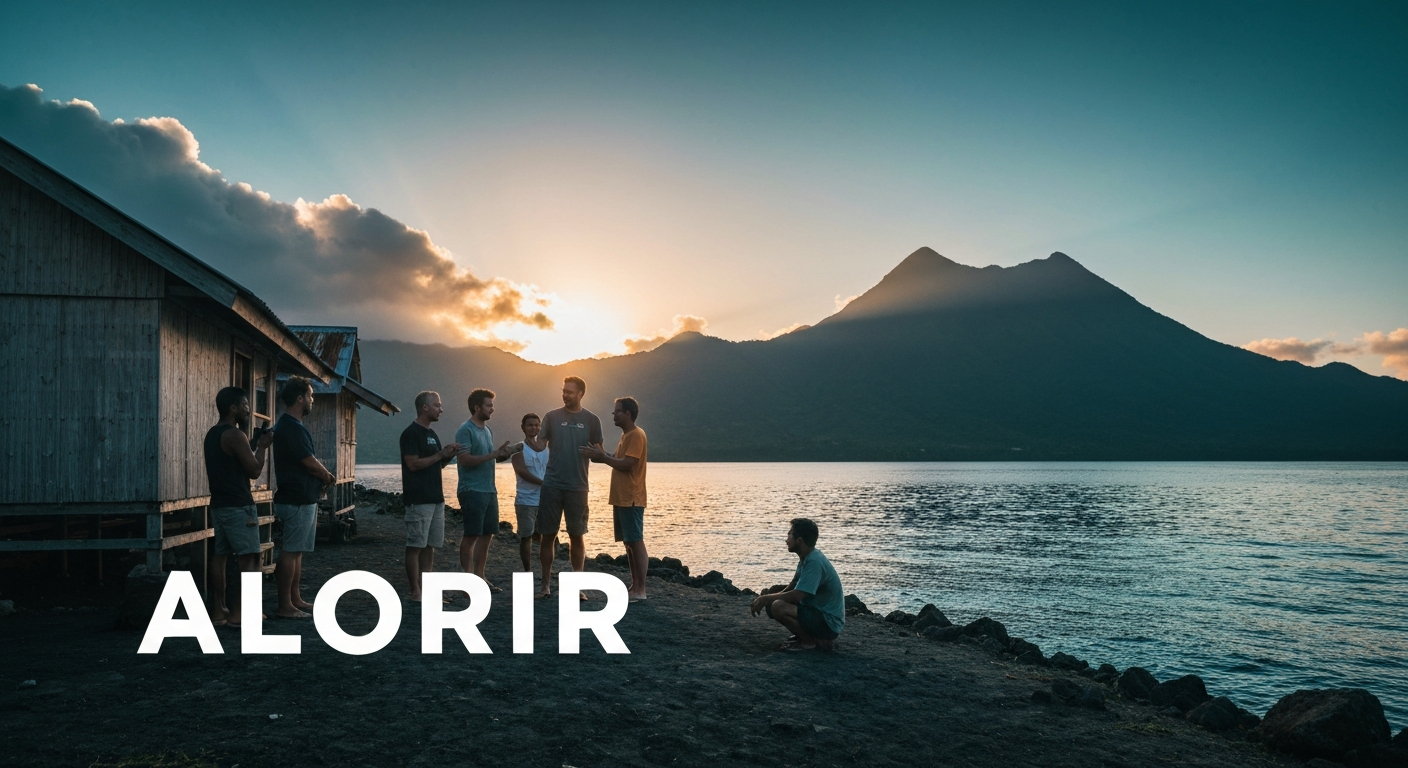
Life along the coast is equally fascinating. Small fishing villages, such as Alor Kecil and Beang, dot the shorelines. Here, daily life revolves around the tides and the bounty of the sea. Children play in the shallows while fishermen mend their nets, their colourful outrigger boats pulled up on the volcanic sand. Visiting these communities offers a quiet, observational experience, a chance to witness the gentle rhythm of island life and appreciate the resilience and warmth of the Alorese people. This integration of cultural discovery with diving adventure elevates the journey from a mere holiday to a true expedition.
Planning Your Alor Diving Expedition: A Logistical Guide
The remote nature of Alor is central to its appeal, but it also requires careful planning. Understanding the logistics of travel, seasonality, and what to expect is the first step in crafting a seamless and rewarding journey. Our editorial standards demand transparency, and this practical advice is based on years of operational experience in the region.
When to Visit Alor
The primary diving season in Alor runs during the dry season, typically from April to November. During these months, the seas are generally calmer, and surface conditions are pleasant. The absolute peak season for encountering Mola Mola is from July to October, when the water temperatures drop due to the upwellings, sometimes to around 24-25°C in certain areas. For those focused on macro life and warmer waters (27-29°C), the shoulder months of April, May, October, and November are superb, often with the added benefit of fewer visiting vessels. The wet season, from December to March, can bring rougher seas and reduced visibility, making it less ideal for liveaboard expeditions.
Getting to Alor
Reaching the Alor archipelago is an integral part of the adventure. The gateway is the town of Kalabahi on Alor Island, which is served by Mali Airport (ARD). The most common international travel route involves flying into Bali (DPS) or Jakarta (CGK), followed by a domestic flight to Kupang (KOE) in West Timor. From Kupang, a final short flight will take you to Alor (ARD). Upon arrival in Kalabahi, our team will meet you and transfer you directly to the vessel. We recommend arriving in Indonesia at least one day prior to your flight to Alor to account for any potential domestic flight delays, ensuring a stress-free start to your expedition.
Choosing the Right Expedition Vessel
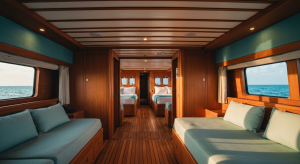
The choice of liveaboard is the single most important decision for your trip. In Alor, the quality of the vessel and its crew directly translates to the quality of your experience. An ideal expedition vessel is not just a floating hotel; it is a purpose-built platform for exploration. Key considerations should include small group sizes to ensure uncrowded dive sites, a highly experienced crew with intimate local knowledge of the currents and conditions, and robust safety protocols. At Alor Diving Expeditions, we operate with a philosophy that prioritises flexibility and expertise. Our itineraries are not fixed; they are fluid frameworks that allow our expedition leaders to select the best possible sites based on real-time conditions, recent marine life sightings, and the specific interests of our guests.
The Alor Diving Expeditions Difference: A Curated Approach
In a destination as complex and dynamic as Alor, the quality of guidance is paramount. We distinguish our operations through a deeply considered, curated approach that goes beyond conventional dive tourism. This philosophy is built on three pillars: unparalleled local expertise, a flexible expeditionary mindset, and a profound respect for the environment and local culture.
Our expedition leaders and dive guides are the cornerstone of our operation. They are not seasonal staff; they are career professionals who have dedicated years, sometimes decades, to exploring the waters of East Nusa Tenggara. Their knowledge extends beyond simply navigating a dive site. They understand the subtle shifts in currents, the breeding seasons of rare critters, and the precise locations of pygmy seahorse habitats. This depth of experience allows us to consistently place our guests in the right place at the right time, whether for a Mola Mola encounter or a rare macro photography opportunity.
We firmly believe that a rigid, pre-planned itinerary is antithetical to the spirit of exploration. Our Alor diving expeditions are structured to be adaptable. If a pod of pilot whales is sighted, we have the flexibility to alter our course. If a particular site is showing exceptional critter activity, we can dedicate more time to it. This responsive approach ensures that every trip is unique and optimised for the best possible encounters, transforming a standard dive trip into a genuine voyage of discovery. This commitment to a bespoke experience, underpinned by rigorous safety standards and a deep connection to the Alor archipelago, is what defines our expeditions.
Frequently Asked Questions About Diving in Alor
What level of diving certification is required for Alor?
Due to the frequent presence of strong and unpredictable currents, we require divers to hold an Advanced Open Water certification (or equivalent) with a minimum of 50 logged dives. Experience in drift diving is highly recommended. Our team vets each diver’s experience to ensure safety and enjoyment for everyone aboard the expedition.
What are the typical water temperatures and what exposure suit is recommended?
Water temperatures in Alor can vary significantly. They typically range from 27-29°C, but during the Mola Mola season (July-October), upwellings can bring colder water, with temperatures dropping to 24-25°C or even lower at certain thermoclines. We recommend a 5mm full-length wetsuit, with an optional hood or vest for those who feel the cold.
Is Nitrox available on your expeditions?
Yes, Enriched Air Nitrox is available for certified divers. Given the nature of Alor’s diving, with multiple dives per day and remarkable reefs in the 15-25 metre range, diving with Nitrox can extend bottom time and reduce surface intervals, enhancing the overall experience. Please notify us in advance if you require it.
What is the best time of year for underwater photography in Alor?
The entire dry season from April to November offers fantastic photography opportunities. For macro and critter photography, the conditions are consistently excellent. For wide-angle shots featuring Mola Mola, the cooler months of July through October are optimal. Visibility is generally very good, often exceeding 30 metres, throughout the main season.
How strong are the currents and how are they managed?
Currents in the Pantar Strait can be very strong and are a defining feature of the diving. Our expedition leaders are experts in reading the tides and conditions. We conduct thorough briefings before each dive, plan our entries to use the current to our advantage for drift dives, and always deploy a surface marker buoy for safety.
Are solo travellers welcome on your Alor diving expeditions?
Absolutely. Solo travellers are a significant part of our expeditions. We can pair you with another diver of similar skill and experience in a shared cabin, or you can opt for a private cabin for a supplemental fee. The communal nature of a liveaboard expedition makes it an excellent environment for meeting like-minded individuals.
What kind of non-diving activities are available?
Our expeditions incorporate surface intervals and dedicated time for cultural and scenic exploration. This includes visits to traditional Abui villages, exploring secluded beaches, kayaking or paddleboarding in calm bays, and short treks to remarkable viewpoints. We believe the experience above the water is as important as the one below it.
What is the onboard power situation for charging cameras and devices?
Our vessel is equipped with 220v power and international sockets available in the common areas and within each cabin. We have a dedicated camera station with ample space and charging points to accommodate the needs of underwater photographers and videographers, ensuring all your equipment remains ready for action.
How are medical emergencies handled in such a remote location?
Safety is our highest priority. The vessel is equipped with a comprehensive first aid kit, emergency oxygen, and a satellite phone for communication. Our crew is trained in emergency first response and dive accident management. For serious medical issues, we have established protocols for evacuation to the nearest medical facility in Kalabahi or, if necessary, to larger hospitals in Kupang or Bali.
What should I pack besides dive gear?
Pack light, quick-drying clothing. Include a light jacket or fleece for cooler evenings, reef-safe sunscreen, a hat, and sunglasses. For village visits, we recommend modest clothing such as long trousers or a sarong and a sleeved shirt out of respect for local customs. Bring any personal medications, as pharmacies are not readily available.
Begin Your Expedition
The currents of Alor are calling. An expedition to this remote archipelago is a commitment to authentic adventure, offering rewards found in few other places on Earth. If you are ready to explore the vibrant reefs, unique culture, and thrilling marine encounters of Alor, we invite you to begin the conversation. To discuss the nuances of our upcoming Alor diving expeditions and find the perfect journey for you, please contact our expedition specialists via email at bd@juaraholding.com or on WhatsApp at +62 811-3941-4563.