The Ultimate Guide to Alor Diving Expeditions: Unveiling Indonesia’s Final Frontier
Far beyond the well-trodden paths of Indonesian diving lies an archipelago of stark volcanic beauty and unparalleled marine biodiversity. This is Alor, a destination that rewards the intrepid traveller with some of the most vibrant and dynamic underwater encounters on the planet. For those who seek genuine exploration, our Alor diving expeditions offer a journey into the heart of the Coral Triangle, where powerful currents nourish life from the colossal to the cryptic, and ancient cultures endure along rugged coastlines.
Why Alor? The Allure of an Archipelago Apart
Situated in the remote province of East Nusa Tenggara (NTT), the Alor archipelago rests at a powerful confluence of the Savu and Flores Seas. This is not a destination for the casual holidaymaker. It is a place defined by its raw, untamed nature. Volcanic islands, including the dominant Alor and Pantar, rise steeply from the sea, their slopes etched with traditional villages and arid landscapes. This dramatic topography extends beneath the waves, creating a submarine environment of breathtaking verticality and complexity.
The lifeblood of Alor’s marine ecosystem is the Indonesian Throughflow, a massive volume of water moving from the Pacific to the Indian Ocean. This global current funnels through the narrow Pantar Strait, creating nutrient-rich upwellings and formidable tidal flows. These conditions, while demanding, are precisely what fuels the region’s explosive biodiversity. The result is a concentration of marine life that is staggering in its density and variety, from vast, pristine coral gardens to world-renowned havens for macro photography.
To embark on an Alor diving expedition is to accept an invitation from one of the planet’s last wild places. It is a commitment to adventure, a desire to witness ecosystems in their most authentic state, and an opportunity to experience a part of Indonesia that remains profoundly connected to its ancestral roots and the rhythms of the ocean.
The Diving Experience: Currents, Critters, and Crystalline Reefs
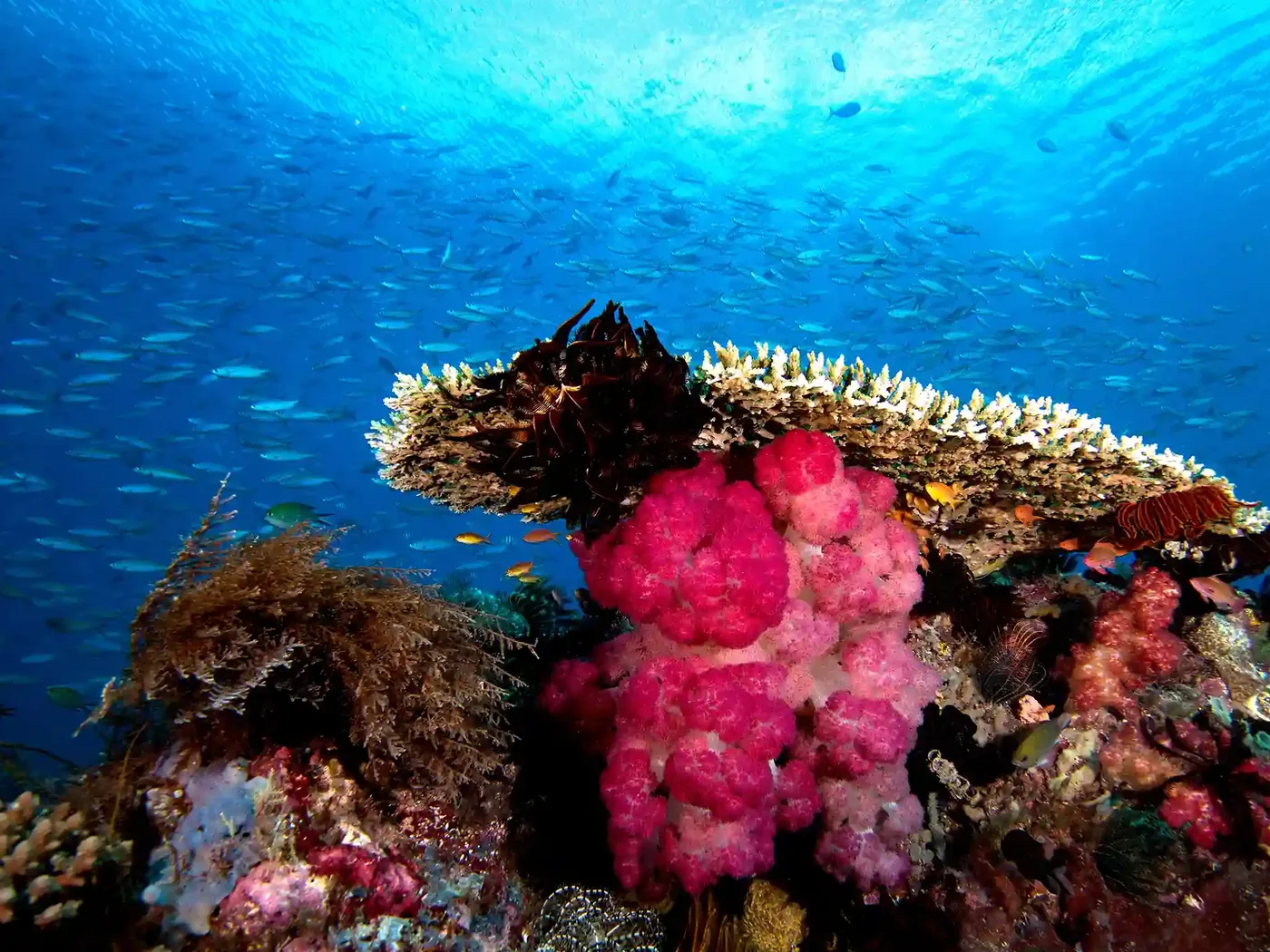
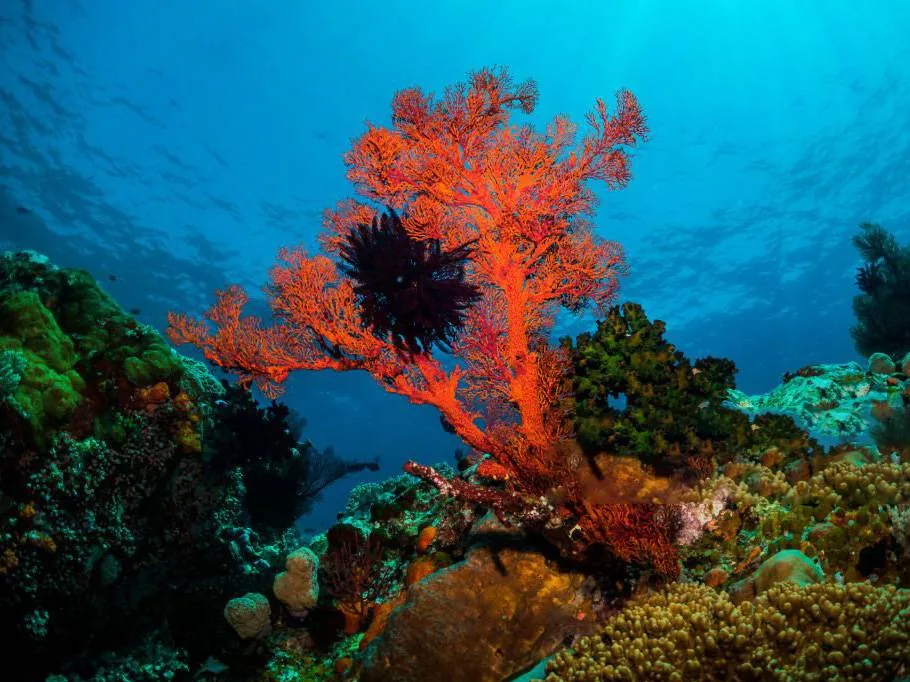
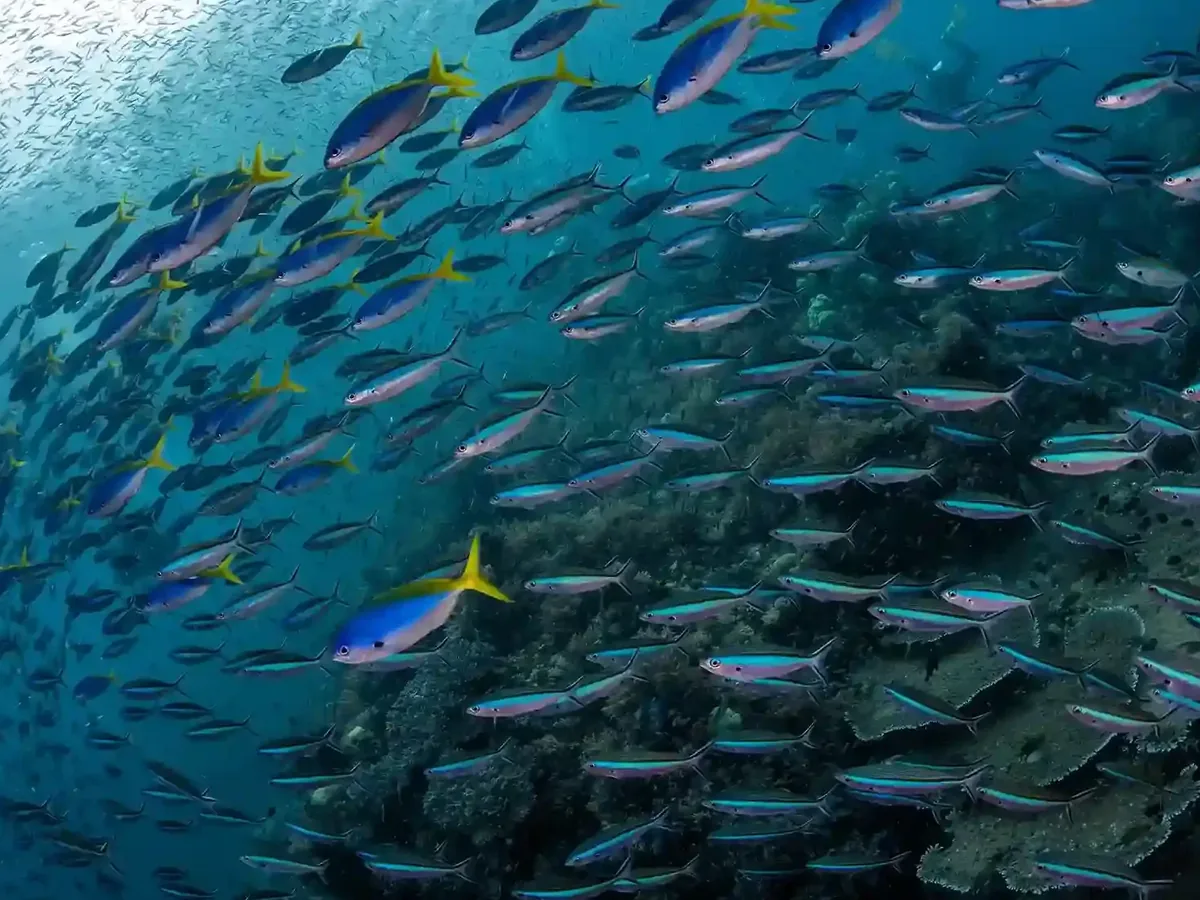
Diving in Alor is an exercise in versatility. One day involves a high-adrenaline drift dive through the Pantar Strait, navigating channels where schools of fusiliers and trevally hunt in the blue. The next might be a slow, methodical exploration of the black volcanic sands of Beang Bay or Kalabahi, searching for the bizarre and the beautiful. The water clarity is often exceptional, yet it is the sheer health of the reefs that leaves the most lasting impression. Hard and soft corals form immense, kaleidoscopic structures, seemingly untouched by the pressures seen elsewhere.
The character of the diving changes as you navigate the archipelago. Sites in the central Pantar Strait are known for their powerful currents and pelagic action. Here, divers must be comfortable with negative entries and drift diving techniques, using reef hooks to hold position and watch the spectacle unfold. In contrast, sheltered bays like Marisa on Pantar Island offer calmer conditions, perfect for photographers to spend time with rare critters. The southern coast can experience cold-water upwellings, bringing nutrient-rich, cooler water from the depths—a key factor in attracting unique species like the Mola Mola.
An expeditionary approach is essential. Our liveaboard itineraries are not fixed but are instead fluid, adapting to the tides, currents, and conditions to ensure we visit each site at its optimal moment. This deep, practical knowledge of Alor’s challenging hydrography is what transforms a good dive trip into an exceptional one.
Encounters of a Lifetime: Alor’s Marine Megafauna and Macro Marvels
Alor’s reputation among seasoned divers is built on its ability to deliver extraordinary encounters across the entire marine spectrum. It is a place where one can marvel at a super-school of bigeye trevally in the morning and discover a previously unknown species of nudibranch in the afternoon. This dual-personality is what makes Alor diving expeditions a pilgrimage for underwater photographers and marine life connoisseurs.
The Giants of the Deep
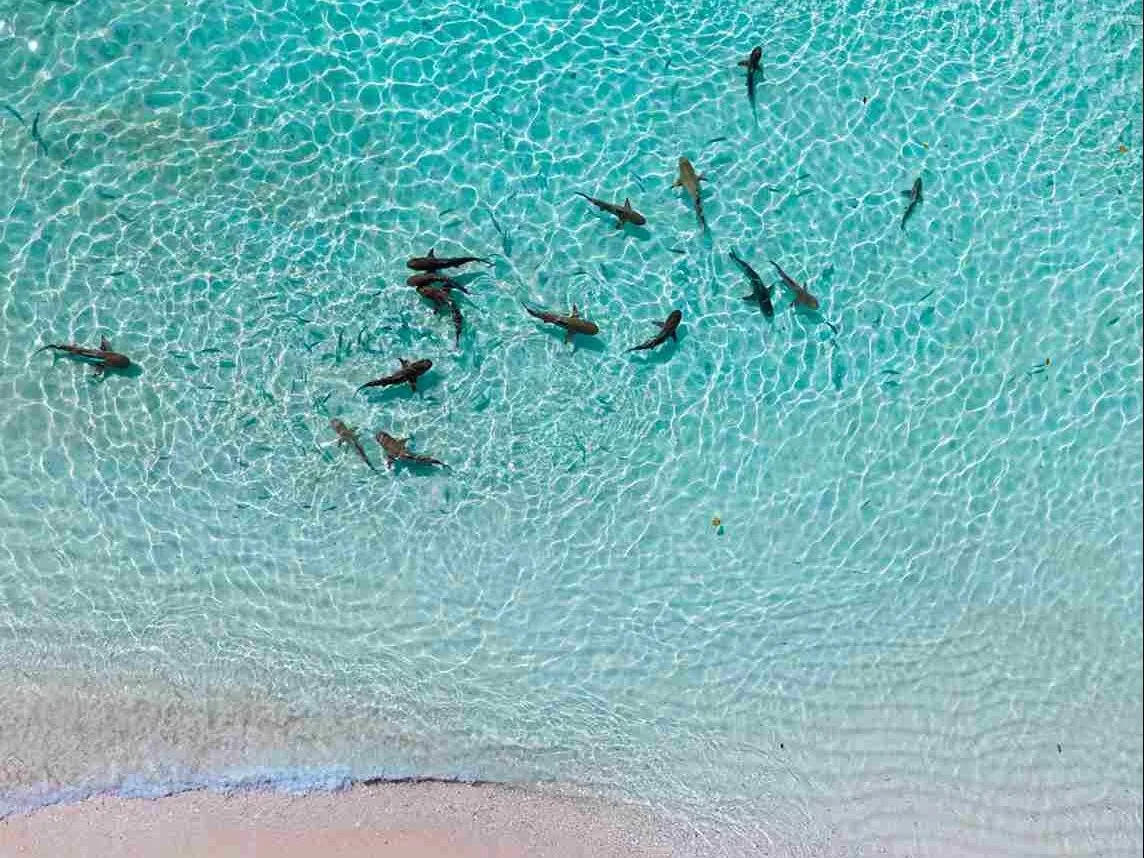
During the cooler season, the deep-water upwellings attract the enigmatic oceanic sunfish, or Mola Mola. Encounters with these strange, colossal fish are a highlight, as they ascend to the archipelago’s cleaning stations. Beyond the Mola, the nutrient-rich waters support a healthy population of cetaceans. It is not uncommon to see pods of pilot whales and dolphins from the boat, and occasionally even encounter them underwater. Thresher sharks, hammerheads, and reef sharks patrol the deeper walls, while eagle rays and mobula rays often glide through the blue.
A Macro Photographer’s Paradise
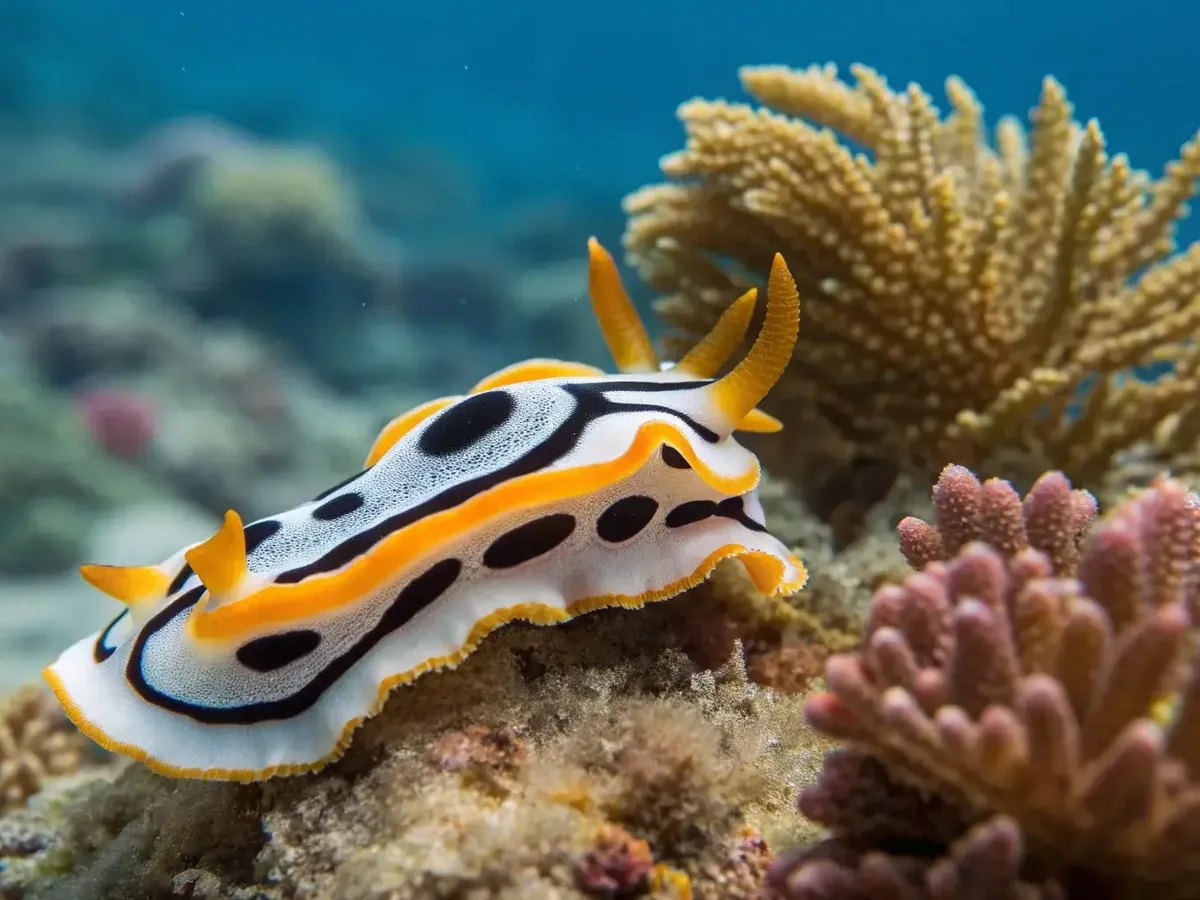
For those with a keen eye for the small and strange, Alor is a world-class destination that rivals any other in the Coral Triangle. The volcanic muck and rubble slopes are home to an astonishing array of critters. The region is particularly famous for its Rhinopias, with both weedy and paddle-flap varieties being regularly sighted. Frogfish of all sizes and colours, ghost pipefish, flamboyant cuttlefish, and the elusive wonderpus are all part of the cast. For the true macro enthusiast, Alor offers a treasure trove of pygmy seahorses, rare nudibranchs, and a plethora of unique crustaceans found hiding amongst the vibrant corals and sponges.
Beyond the Reef: Cultural Immersion in the ‘Land of a Thousand Moko’
A true expedition ventures beyond the coastline. The Alor archipelago is home to a rich tapestry of cultures, with dozens of distinct languages spoken across its islands. Our Alor diving expeditions are designed to include meaningful and respectful cultural integration, offering a glimpse into the lives of the communities who call this remote region home. Alor is historically known as the ‘Land of a Thousand Moko’, referring to the ancient bronze drums that once served as currency and remain treasured heirlooms.
One of the most profound experiences is a visit to a traditional village of the Abui tribe in the highlands. Here, in settlements that feel a world away from modern life, one can witness timeless traditions and a deep connection to the land. We engage with the community on their terms, observing their distinct architecture, learning about their animist beliefs, and witnessing the quiet dignity of their daily lives. These interactions are not tourist spectacles; they are genuine opportunities for cultural exchange, arranged through long-standing relationships with village elders, ensuring our visits are welcome and beneficial.
From the bustling small-town port of Kalabahi to the quiet fishing villages of Alor Kecil, the human element of the archipelago is as fascinating as its marine life. It adds a layer of depth and context to the journey, reminding us that we are guests in a place with a proud and ancient heritage.
Choosing the Right Operator: The Alor Diving Expeditions Difference
In a destination as remote and demanding as Alor, the choice of operator is paramount. It dictates not only the quality of the diving but also the safety and seamlessness of the entire journey. Alor Diving Expeditions is founded on a principle of deep, localised expertise. Our expedition leaders and dive guides are not seasonal staff; they are seasoned professionals with years of experience navigating these specific waters. They possess an intimate understanding of the currents, the seasons, and the secrets of the dive sites.
We adhere to the highest standards of safety, particularly concerning the challenges of current diving. Our briefings are comprehensive, our equipment is meticulously maintained, and our crew is trained to manage the dynamic conditions of the Pantar Strait. This operational excellence allows our guests—advanced divers and photographers—to focus on the experience, confident they are in the most capable hands.
Furthermore, our editorial approach to itinerary planning ensures a superior experience. We continuously vet and refine our routes, seeking out new discoveries while optimising our visits to classic sites. This commitment to quality over quantity defines our philosophy and ensures that every expedition we lead is a definitive exploration of the Alor archipelago.
Frequently Asked Questions about Alor Diving Expeditions
What is the best time of year to dive in Alor?
The primary diving season runs from March to December. For the calmest seas and best all-round conditions, April to June and September to November are ideal. For a higher chance of Mola Mola encounters, the cooler water months of July and August are preferable, though surface conditions can be windier. Our expeditions are timed to maximise the potential of each season, balancing weather with marine life opportunities.
How do I get to Alor?
The gateway to the archipelago is Alor’s main airport in Kalabahi (ARD). There are daily flights from Kupang (KOE), which is the provincial capital of East Nusa Tenggara. Kupang is well-connected to major Indonesian hubs like Jakarta (CGK) and Bali (DPS). Our team can assist with guidance on the best domestic flight routes to coordinate with your expedition’s start and end dates.
What level of diving experience is required for an Alor expedition?
We recommend divers hold an Advanced Open Water certification with a minimum of 50 logged dives. Experience in drift diving and diving in currents is highly advantageous. The conditions in the Pantar Strait can be challenging, and diver comfort and safety are our priorities. Less experienced divers may find some of the sites demanding, so we encourage an honest self-assessment of your skills.
What are the water temperatures in Alor?
Water temperatures typically range from 26°C to 29°C. However, in the southern regions and during upwelling events (especially from July to September), temperatures can drop significantly, sometimes to 20-24°C on certain dives. We recommend a 5mm wetsuit, and a hood or vest is a good idea for those who feel the cold, providing versatility for the varied conditions.
Is Alor suitable for non-divers?
While our expeditions are heavily focused on diving, the stark natural beauty of the islands offers a wonderful experience for non-diving partners. Snorkelling on the pristine reefs is excellent, and the village visits provide rich cultural immersion. The dramatic volcanic landscapes, quiet beaches, and the simple pleasure of being at sea in such a remote and beautiful location are rewarding in themselves.
What kind of camera setup is best for Alor?
Alor is a destination that rewards photographic versatility. A wide-angle lens is essential for capturing the spectacular reefs, schooling fish, and any potential megafauna encounters. Simultaneously, a dedicated macro lens (60mm or 100/105mm) is a must for the world-class critter diving. Many photographers find success with a dual setup or by dedicating specific dives to either wide-angle or macro photography.
What is the policy on sustainable tourism and reef protection?
We operate with a strict commitment to marine conservation. Our dive briefings emphasise passive interaction with marine life and perfect buoyancy control. We do not permit touching coral or harassing animals. We also support local communities through responsible tourism, ensuring our presence provides economic benefit without disrupting cultural integrity. We believe in leaving these pristine environments better than we found them.
What is the local culture like in the villages we visit?
The culture in Alor is diverse and deeply traditional. The people are generally welcoming and curious. When visiting villages, respectful conduct is key. We advise dressing modestly (covering shoulders and knees), asking for permission before taking photographs of people, and engaging with a smile. Our guides facilitate interaction, helping to bridge any language barriers and ensure a positive exchange for both our guests and the host community.
Are there any health precautions I should take?
We recommend consulting your doctor for the latest travel health advice for remote Indonesia. Standard precautions for tropical travel apply. There is a recompression chamber in Kalabahi, but it is essential to have comprehensive dive and travel insurance that covers medical evacuation. Onboard, we have a fully-stocked first aid kit and emergency oxygen to handle any diving-related incidents.
What kind of marine life is Alor most famous for?
Alor is celebrated for its incredible biodiversity. It is renowned for pristine, vibrant coral reefs and world-class macro life, including Rhinopias, frogfish, and countless species of nudibranchs. It is also a destination for unique pelagic encounters, most notably the oceanic sunfish (Mola Mola) during the cooler season. The sheer health and density of the fish life on every dive is a defining characteristic.
Begin Your Expedition
Alor awaits the discerning diver and explorer. To discuss our upcoming liveaboard schedules and find the Alor diving expedition that is right for you, please contact our specialists. We can provide detailed itineraries and answer any further questions you may have. Reach out via email to bd@juaraholding.com or message us on WhatsApp at +62 811-3941-4563 to begin the conversation.