The Ultimate Alor Liveaboard Route Guide for Exclusive Dive Sites
- Pantar Strait: Focuses on high-voltage drift dives with pelagic encounters.
- Kalabahi Bay: Offers world-class muck diving for rare macro critters.
- Southern Islands: Explores pristine, seldom-visited reefs and unique cultural sites.
The teak deck is warm underfoot as the phinisi schooner glides through the pre-dawn calm. On the horizon, the volcanic cone of Pulau Pura pierces a sky bleeding from indigo to apricot. The air tastes of salt and clove, carried on a breeze from the unseen villages ashore. Below, in the deep, nutrient-rich channels of the Savu Sea, a world of untold vibrancy awaits. This is not merely a trip; it is an immersion. Aboard a vessel designed for discovery, the Alor Archipelago unfolds not as a destination on a map, but as a living, breathing marine ecosystem, and you are about to become a part of its pulse. This is the definitive Alor liveaboard experience.
Decoding the Alor Archipelago: Why a Liveaboard is Non-Negotiable
To truly comprehend Alor, one must first understand its geography and oceanography. Positioned at the eastern edge of the Lesser Sunda Islands, the archipelago acts as a critical bottleneck for the Indonesian Throughflow, a massive volume of water moving from the Pacific to the Indian Ocean. This constant exchange, funneling between the islands of Pantar and Alor, creates a supercharged marine environment. We’re talking about more than 50 world-class dive sites scattered across an area of roughly 2,800 square kilometers. A land-based operation, however comfortable, can only ever offer a fragmented glimpse. A liveaboard, by contrast, is a key that unlocks the entire territory. It transforms transit time into an integral part of the adventure, allowing for dawn dives on remote sea mounts and night dives in protected bays, all within the same 24-hour cycle. The mobility of a vessel like those chartered by Alor Diving Expeditions means following the best conditions, accessing sites when the currents are optimal for pelagic action, and then retreating to the calm of a volcanic bay to hunt for the planet’s strangest macro-critters. It is the only way to experience the sheer diversity that makes this region a global diving hotspot, as recognized by marine biologists and professional photographers alike.
The Classic Pantar Strait Circuit: Where Currents Sculpt Giants
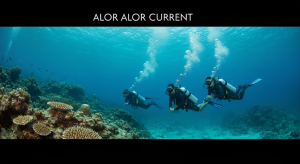
The Pantar Strait is the beating heart of Alor diving, a channel where the raw power of the ocean is on full display. This is not gentle reef exploration; it is a grand, moving spectacle. Our cruise director, a veteran of these waters for over a decade, refers to it as “the aquatic superhighway.” Currents here can regularly exceed 6 knots, demanding respect and experience from any diver. But with this challenge comes an immense reward. At sites like Kal’s Dream, a submerged pinnacle that rises from over 300 meters, the currents attract giants. On a recent expedition, we descended into a school of dogtooth tuna so dense it temporarily blocked the sun. Further along the reef edge, we encountered schooling scalloped hammerheads and the occasional thresher shark, its scythe-like tail trailing in the blue. Water temperatures here can be unpredictable, sometimes dropping to a brisk 22°C due to upwellings, so a 5mm wetsuit is advisable. Another key site, The Cathedral, is a colossal rock formation with swim-throughs and overhangs draped in soft corals. The sheer biomass is staggering; clouds of anthias and fusiliers swarm the reef crest, creating a blizzard of color that is almost overwhelming. This part of the alor liveaboard route guide is for the adrenaline seeker, the diver who understands that where the water moves, life congregates in spectacular fashion.
Kalabahi Bay’s Enigma: The Realm of Muck and Macro
After the high-octane drifts of the Pantar Strait, the journey often moves into the tranquil, protected waters of Kalabahi Bay. Here, the entire philosophy of the dive shifts. Wide-angle lenses are swapped for macro, and the quest for big animals is replaced by a patient search for the bizarre and the beautiful. The bay’s floor is composed of dark, volcanic sand, a seemingly barren landscape that, upon closer inspection, reveals itself to be a treasure chest of rare marine life. This is the art of muck diving, a discipline perfected in places like this. At Mucky Mosque, named for the village mosque on the shore, we spent a 70-minute dive covering no more than 30 square meters of sand. In that small patch, our guide, with his expertly trained eye, pointed out a flamboyant cuttlefish, two ornate ghost pipefish hiding in a crinoid, and the holy grail for many photographers: a Rhinopias scorpionfish, perfectly camouflaged and waiting in ambush. Another site, Black Sand Beach, is a known hotspot for cephalopods, including the elusive mimic octopus and wonderpus. The level of focus required is intense, but the payoff is unparalleled. This is where you will capture images and witness behaviors that 99% of the world’s divers will never see. It’s a testament to the incredible ecological range that a well-planned Alor diving expedition can cover in a single trip.
The Southern Exposure: Pura, Ternate, and Uncharted Waters
The true advantage of a premier liveaboard is its ability to venture beyond the known circuit. The southern islands of the Alor archipelago—Pura, Ternate, and Buaya—offer a glimpse into a less-frequented, perhaps more authentic, side of the region. A highlight of any southern itinerary is Anemone City, off the coast of Pulau Pura. It is precisely what its name implies: a sprawling field of tens of thousands of sea anemones covering a gentle slope, each hosting its resident family of clownfish. The sheer density is a marvel of marine symbiosis. This is also where the cultural aspect of the journey deepens. The people of Pura are from the Abui tribe, and they still practice traditional fishing methods, often from hand-carved wooden boats. A visit to one of these villages, arranged by the expedition leader, provides a profound connection to the human element of these islands. Further south, the volcanic island of Gunung Api is a known aggregation site for sea snakes, particularly during certain months. While not for the faint of heart, witnessing hundreds of banded sea kraits in the water is an memorable spectacle. These southern sites are often characterized by exceptionally clear water, with visibility frequently exceeding 40 meters, and coral gardens that show virtually no signs of human impact. This is the frontier of Alor diving, a place that rewards the intrepid explorer.
Beyond the Dive: Cultural Immersion and Onboard Luxury
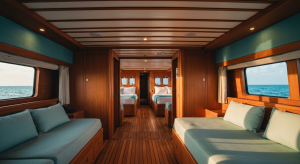
A journey with premier alor diving expeditions transcends the underwater experience. The vessel itself becomes a sanctuary of comfort and refinement amidst the wildness of the archipelago. We are not talking about cramped quarters and basic fare. The top-tier phinisi schooners operating here feature spacious, air-conditioned cabins with ensuite bathrooms, fine linens, and attentive room service. The culinary program is a highlight in itself, with professionally trained chefs crafting multi-course meals that blend international cuisine with local Indonesian flavors, using fresh ingredients sourced from island markets. Between dives, the day is punctuated by moments of quiet luxury: enjoying a freshly squeezed juice on the sundeck, receiving a traditional massage, or editing photographs in a dedicated camera room with multiple charging stations. This five-star service provides the perfect counterpoint to the rugged adventure of the dives. As noted by Indonesia’s official tourism portal, the cultural richness of Alor is a key attraction. A thoughtfully curated liveaboard route incorporates this, facilitating respectful interactions with local communities, such as watching the creation of traditional ‘ikat’ weavings or purchasing vanilla and cashews directly from a village cooperative. This holistic approach ensures the journey is not just a dive trip, but a deep and meaningful exploration of a unique corner of the world.
Quick FAQ: Your Alor Liveaboard Questions Answered
What is the minimum dive certification required for an Alor liveaboard?
An Advanced Open Water certification with a minimum of 50 logged dives is the standard requirement. Crucially, divers must be comfortable with strong currents and drift diving procedures. Some operators may require a check-out dive to assess comfort levels before proceeding to the more challenging sites in the Pantar Strait.
What is the absolute best time of year to dive in Alor?
The prime diving season runs from April through November, coinciding with the dry season. This period offers the most stable weather, calmest sea conditions, and consistently good visibility. September and October are often cited by guides as the peak months for both pelagic sightings and excellent macro conditions.
Besides diving, what other activities are available on the trip?
While diving is the main event, most luxury itineraries include a variety of surface activities. These can include guided village tours, snorkeling in pristine coral gardens, kayaking or paddleboarding in secluded coves, and trekking to scenic viewpoints. The journey between dive sites itself is a scenic cruise through a spectacular volcanic landscape.
What kind of megafauna can be expected?
Alor is a crossroads for marine megafauna. While sightings are never guaranteed, the region is a reliable location for schooling scalloped hammerheads, thresher sharks, and oceanic whitetip sharks. Mola mola (sunfish) are frequently seen during the cooler water months, and several species of whales, including blue whales and pilot whales, migrate through the strait, with sightings possible from the boat between September and November.
Charting a course through the Alor Archipelago is to engage with one of the planet’s last great underwater frontiers. The combination of raw oceanic power, delicate macro life, vibrant culture, and exclusive luxury creates an experience that resonates long after you’ve returned to shore. It is a complex region that demands expert navigation and deep local knowledge to unlock its full potential. To craft your own bespoke journey through these forgotten islands, the specialists at Alor Diving Expeditions provide the unparalleled expertise required for a truly definitive adventure. They don’t just follow a route; they curate a rare expedition.