Skip to content
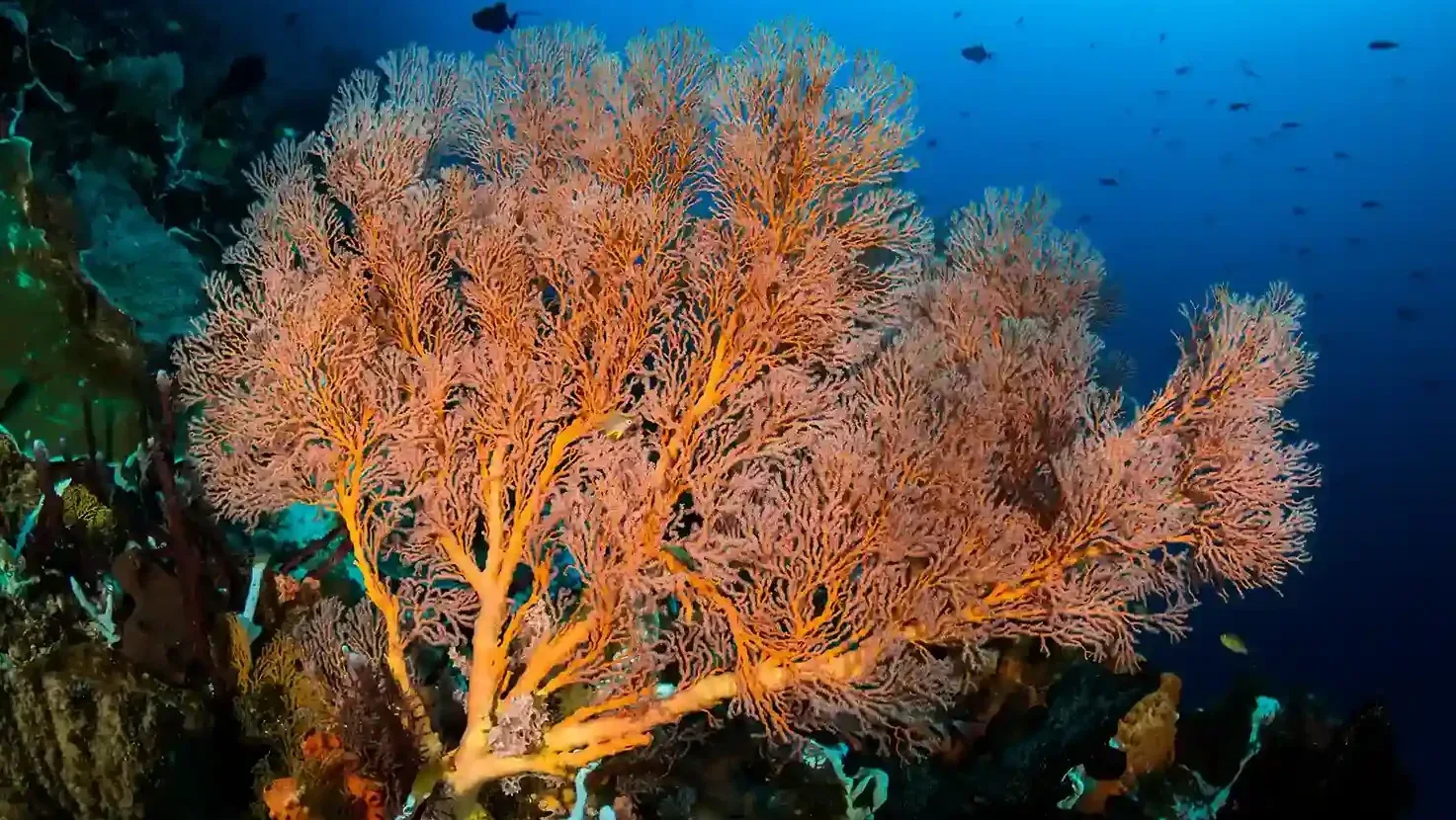
An orange gorgonian sea fan on a reef wall in deep blue water

Silo 3 · Encounters

Alor Blue Whale Diving Expeditions

Experienced-level scuba in the Pantar Strait paired with a best-effort surface watch for blue whales moving through the deep Ombai Strait and Savu Sea. You do not dive with blue whales.

Surface
Where whales are seen
Jun–Oct
Clearest watch window
2+
Watch days advised
50–100
Logged dives advised

Two things, side by side

What actually happens on a blue whale expedition?

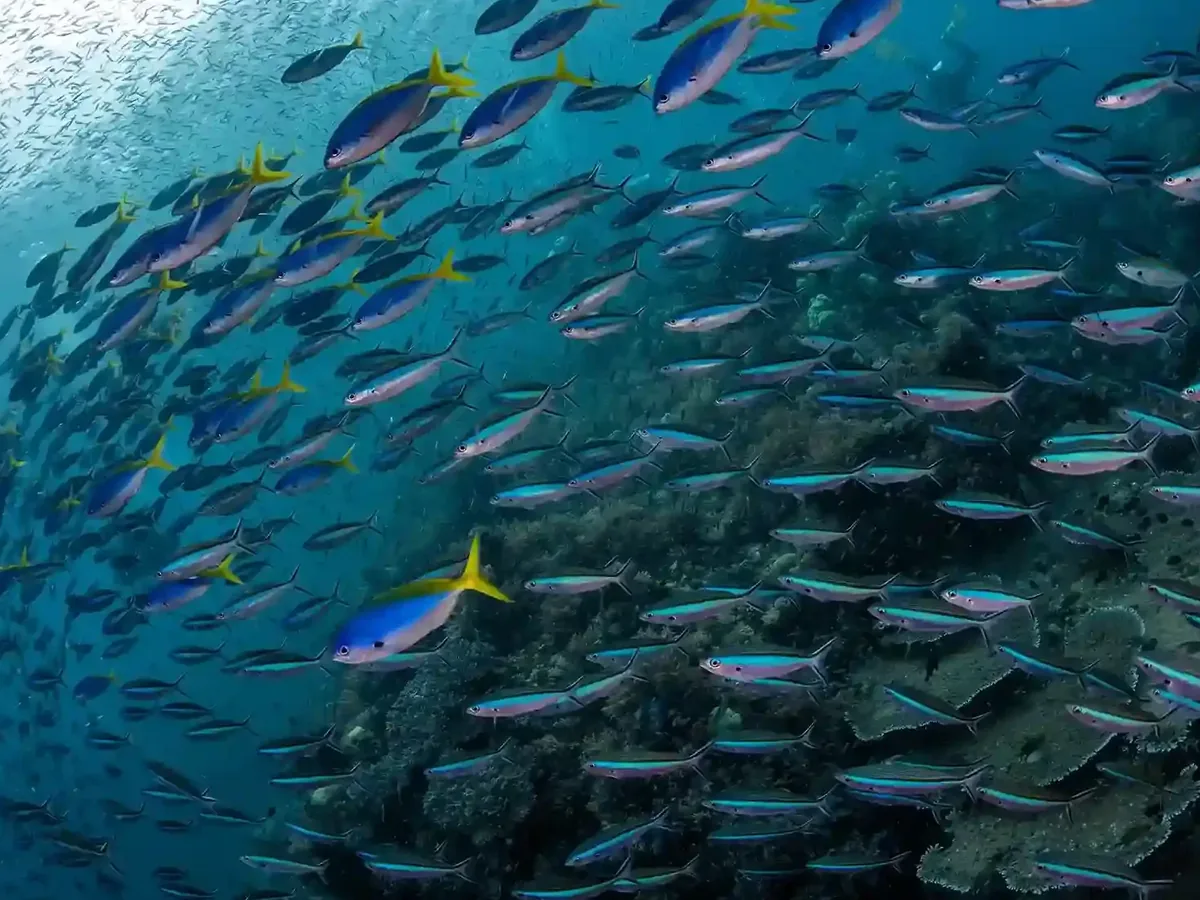
A school of fusiliers turning over a reef in open blue water

The diving is Pantar Strait diving. Dramatic gorgonian walls, wide-angle schools of fish, and current-swept sites where you descend fast and regroup around 5 metres. Most operators want minimum PADI Open Water and recommend 50 to 100 logged dives before the stronger sites.

The blue whales are a surface encounter, not a scuba one. You do not dive with blue whales. Sightings happen topside, from the boat, in the deep-water corridors — the Ombai Strait between Alor and Timor and the wider Savu Sea, where blue whales, pilot whales, dolphins and the occasional orca move through.

So this is a dive trip with a pelagic surface watch attached. A cetacean-aware itinerary builds in best-effort surface time to look for them, weather and distance permitting. We curate and book both through licensed Alor operators; we do not run the boats.

Nobody can guarantee a sighting, and anyone who promises one is selling something they cannot deliver. What honest planning can do is stack the odds: pick the clearer-water months, use operators who know the corridors, and book enough days that one bad-weather afternoon doesn't end the trip.

Topside windows

When is the best window to try for pelagics?

The documented dive season runs roughly April to November. Dry-season water is clearer, and a clear surface is what a topside watch needs.

Window Surface & visibility Notes for pelagic watch
Apr–May Seas settling, visibility building Shoulder season, fewer boats
Jun–Oct Driest; visibility up to ~40 m Clearest surface watch; September best for mola mola
Oct–Nov Strongest currents of the year Lively water, experienced divers only
Nov–Mar Rain, unsettled surface, viz can fall below 15 m Weakest topside-spotting window

May-to-September plankton blooms can drop visibility to 15 metres or less, even as they feed the food chain that draws big animals in.

Four shapes

How the expedition is put together

A dive base plus dedicated surface-watch days, so poor weather on one day doesn't end your whole chance.

01

Land-based Pantar package

Around 10 to 12 dives on walls and macro. The usual first Alor trip.

Walls + macro
02

Alor–Pantar liveaboard

The September–October window, reaching remote wide-angle sites such as Pasir Merah.

Seasonal
03

Private surface-watch day

One boat, one day, best-effort blue-whale and dolphin watch across the deep-water corridors.

Book two or more
04

Kalabahi macro extension

Per-day black-sand critter diving, reliable year-round when the surface is not cooperating.

Weather fallback

The land-based reference is a Pantar resort hosting 16 divers that reaches 40-plus sites within 30 to 45 minutes. The liveaboard reference runs the seasonal September–October window from Kalabahi Bay.

Quoted per trip

What do the expedition options cost?

No citable public price table exists for Alor dive packages, liveaboards or the marine park fee. Every option is quoted once we have your dates and watch-day count.

5 nights

Land-based Pantar dive package

From Ask for price Quoted per diver

First Alor trip; walls and macro, 10–12 dives

7–8 nights

Alor–Pantar liveaboard

From Ask for price Sep–Oct window

Remote wide-angle sites such as Pasir Merah

1 day

Private pelagic surface-watch day

From Ask for price Quoted per boat

Best-effort blue-whale and dolphin watch

Per day

Kalabahi Bay macro extension

From Ask for price Quoted per diver

Year-round black-sand critters

Quotes exclude the mandatory marine park fee and permit, DAN insurance, and flights into Kalabahi.

Five steps

How does booking through the concierge work?

We arrange through vetted, licensed Alor operators. We don't own boats or sell guarantees.

  1. 01 Message the concierge Send your dates, dive experience and how many pelagic-watch days you want.
  2. 02 We match an operator A land-based Pantar resort or a seasonal Alor–Pantar liveaboard running a cetacean-aware itinerary.
  3. 03 You receive a written quote Dive days, surface-watch days, boat capacity, and exactly what is and isn't included.
  4. 04 Confirm and deposit You pay the operator's deposit through the arrangement we set up, and we hold the booking.
  5. 05 Pre-travel brief The MPA permit and marine park fee, DAN insurance and the Kalabahi route.

Start here

Book a buffer, not a single afternoon

One windy day can cancel a surface watch. Two or more dedicated watch days give the honest best-effort chance.

WhatsApp
6281128590000
Message the concierge

Two hard rules

What must you sort out locally?

Two rules govern every Alor trip, and neither is optional.

01

Marine park rules

Every diver, snorkeller and marine tourist attends a mandatory MPA officer briefing, pays a marine park fee and holds a permit. Diver numbers per site are capped; fishing and spearfishing by visitors are prohibited.

02

Insurance

DAN or equivalent dive-accident cover is mandatory, because the nearest hyperbaric chamber is in Bali and evacuation and chamber costs are not covered by ordinary travel medical policies.

03

Non-divers welcome

The surface watch is boat-based and open to non-divers, so a mixed group of divers and snorkellers can share the same expedition.

Protected species here include marine mammals, turtles, thresher sharks and pelagic fish — the whales you came to see sit under the same protection.

Straight answers

Frequently Asked Questions

01 Do you actually scuba dive with blue whales in Alor?

No. Blue whales are seen from the surface, not underwater. An Alor blue whale diving expedition combines experienced-level Pantar Strait scuba diving with a separate topside watch across the deep Ombai Strait and Savu Sea corridors. Underwater you may cross paths with dolphins or pilot whales, but blue-whale encounters are a boat-based, best-effort activity.

02 What are realistic odds of seeing a blue whale off Alor?

Honestly, they vary, and no operator can promise a sighting. Blue whales are wild animals crossing open ocean, so weather, sea state and distance all decide the day. We frame every pelagic window as possible, never predictable. Booking several surface-watch days in the clearer June-to-October seas gives you the best-effort chance — without any guarantee.

03 How many days should I budget for an Alor pelagic expedition?

Give yourself a buffer. One afternoon rarely does it, because a single windy day can cancel a surface watch. Most guests pair a 5-to-8-night dive base — a Pantar resort or a September-to-October liveaboard — with two or more dedicated pelagic-watch days, so poor weather on one day doesn't end your whole chance.

04 Do I need diving experience for an Alor blue whale trip?

For the diving, yes. The Pantar Strait has strong currents and fast descents, so operators typically require minimum PADI Open Water and recommend 50 to 100 logged dives for comfort. The blue-whale surface watch, though, is boat-based and open to non-divers, so a mixed group of divers and snorkellers can share the same expedition.

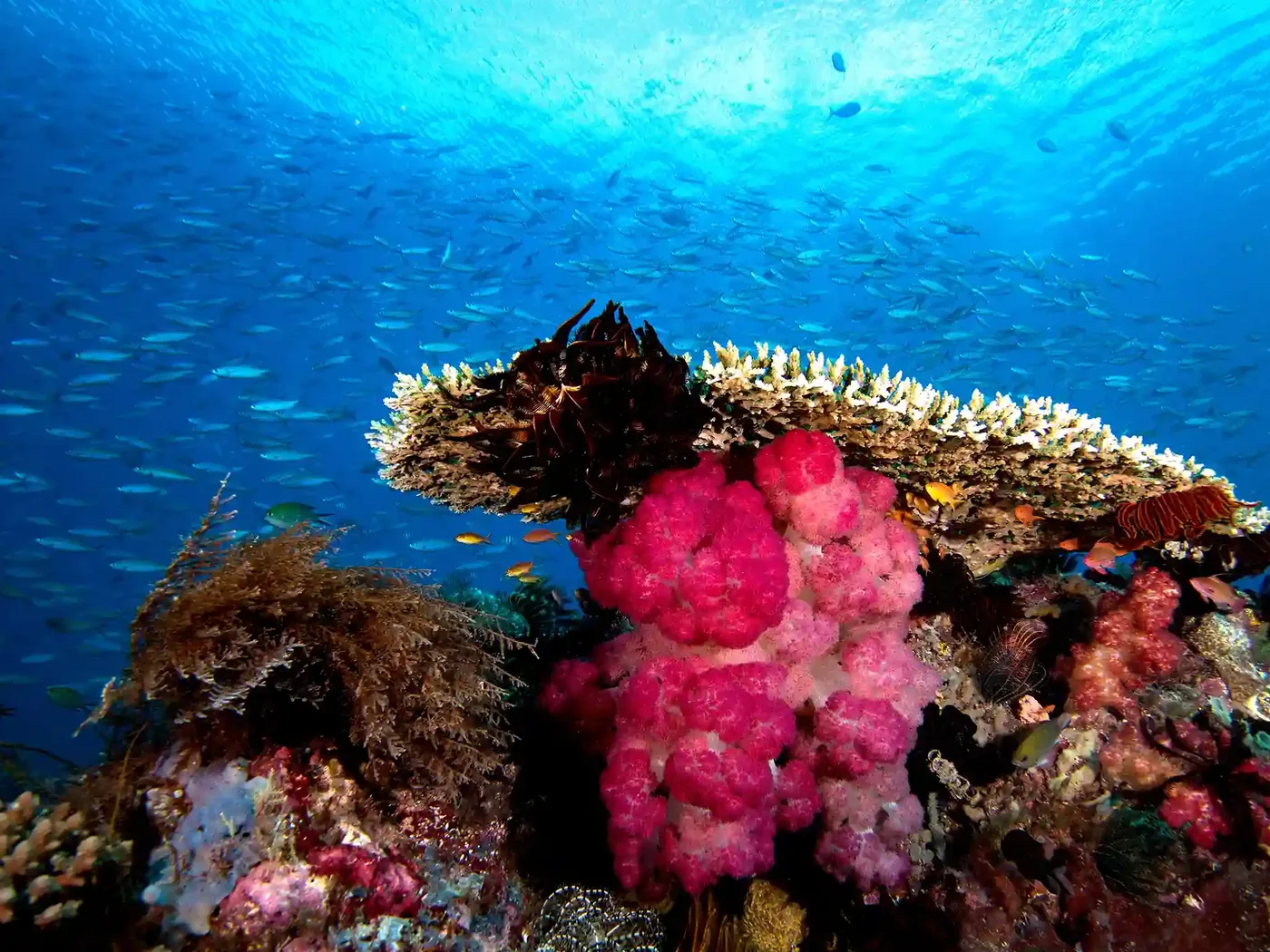
Hard and soft corals crowding a reef slope in clear blue water

Next step

Plan your Alor blue whale expedition

Tell us your dates and experience level and we'll build an honest, dated quote through a vetted, licensed Alor operator.

  • WhatsApp: 6281128590000
  • Email: [email protected]
  • Blue-whale sightings are possible, never promised.