Alor Underwater Photography Dive Expeditions

**Currentline Alor arranges photo-optimized dive expeditions across the Alor–Pantar Strait, pairing dedicated photo guiding with split macro and wide-angle days, camera rinse and charging stations, and an optional blackwater night. Trips run through licensed local operators inside the marine protected area, built for shooters chasing muck critters, gorgonian walls, and seasonal pelagics.**

Why is Alor a shooter’s frontier, not just another dive stop?

Alor and Pantar sit at the eastern edge of the Lesser Sunda Islands in East Nusa Tenggara, deep inside the Coral Triangle — one of the richest patches of marine biodiversity on the planet. For photographers that geography splits cleanly into two disciplines, and a well-planned expedition gives you both.

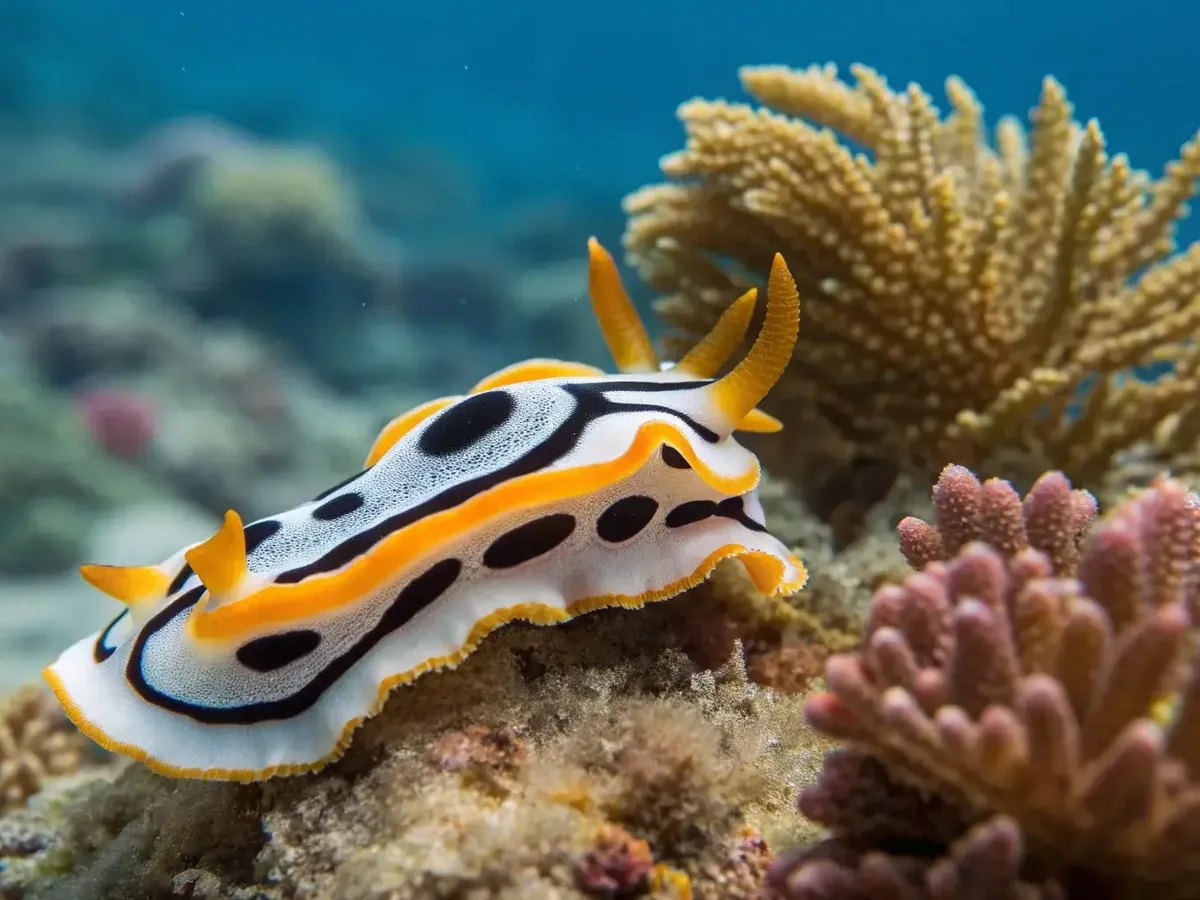
Kalabahi Bay is the macro engine: a volcanic black-sand muck site where mimic octopus, Pegasus sea moths, seahorses, frogfish, and dense nudibranch life sit within a lens length of your dome. Because these critters don’t roam far, the muck shooting holds up year-round — a rare constant in a region otherwise ruled by season.

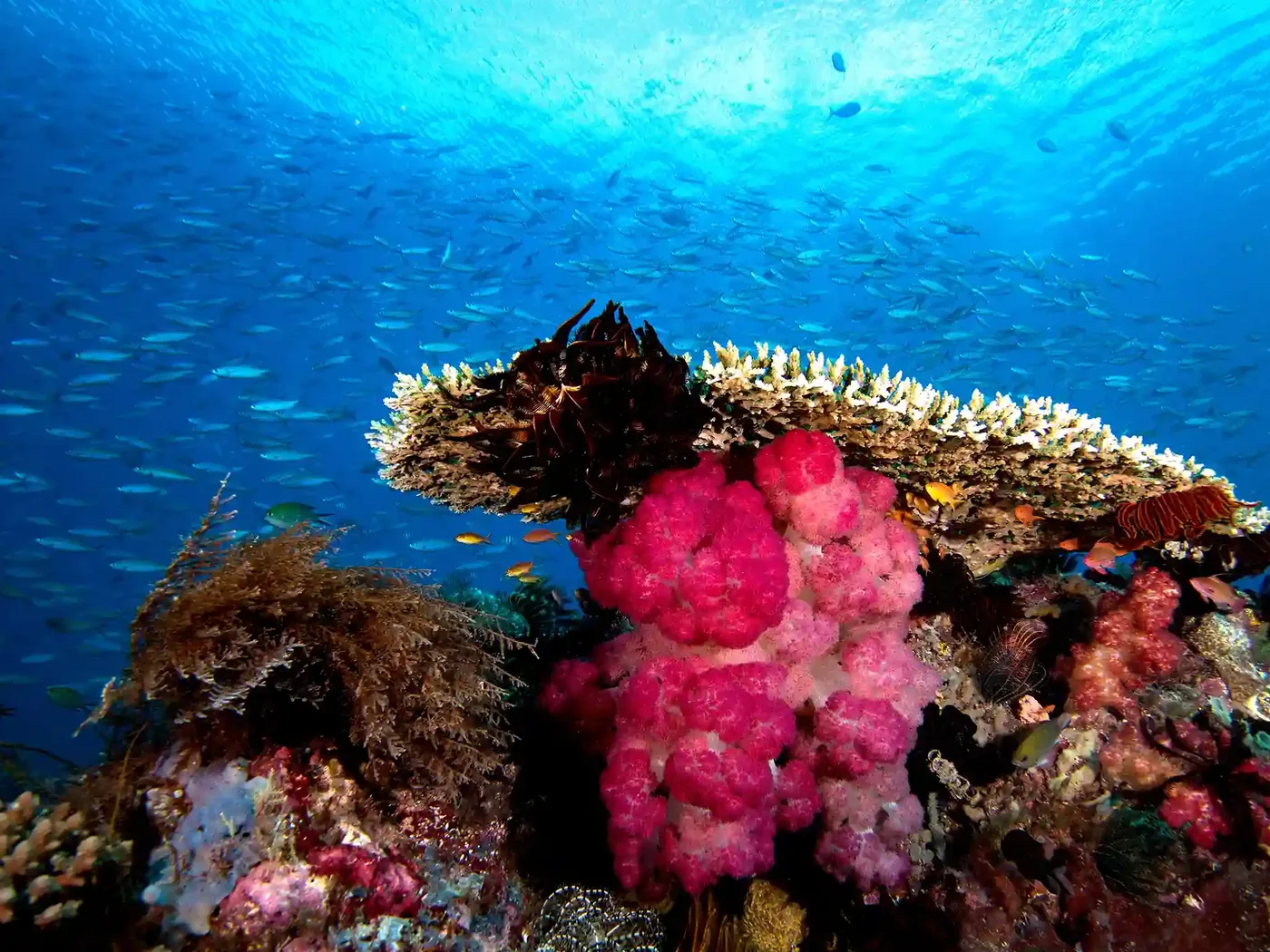
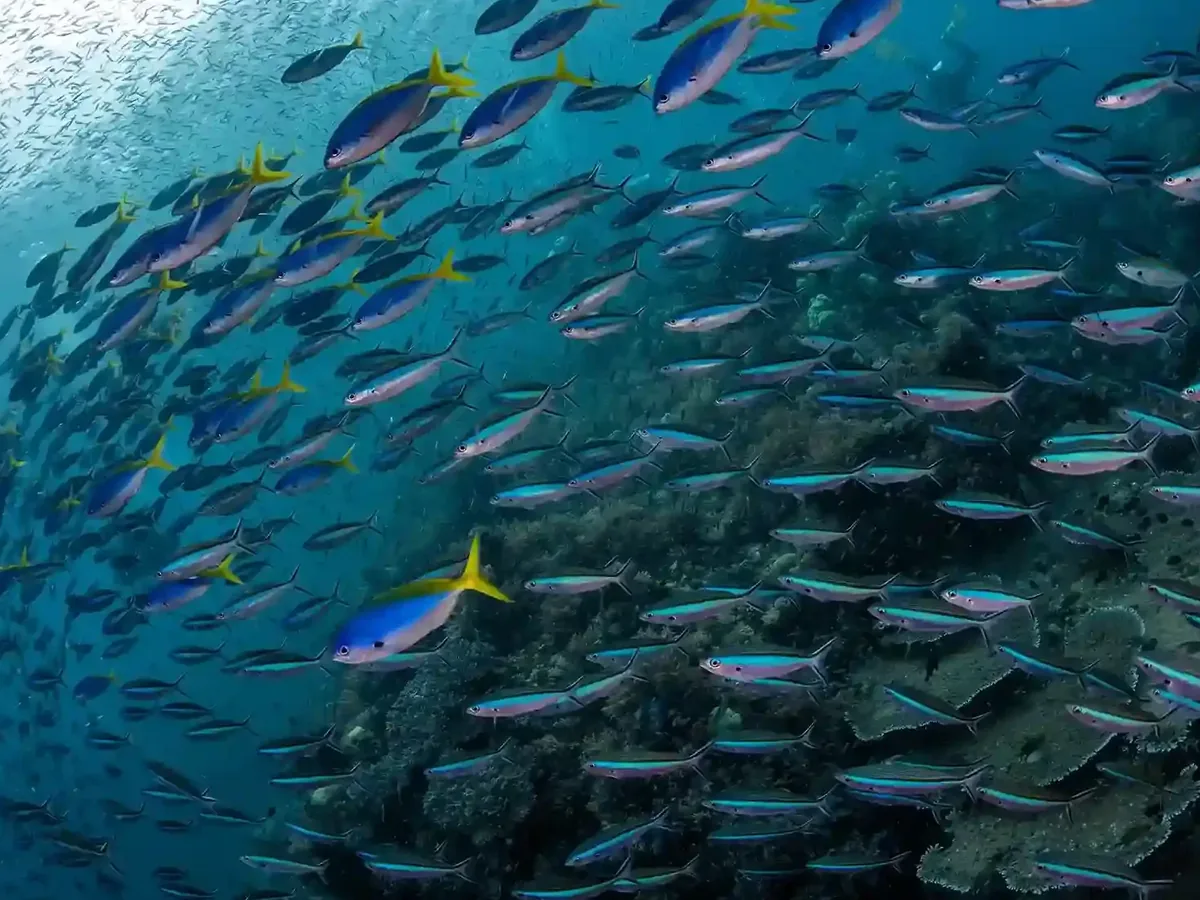
The Pantar Strait swings the other way, toward wide-angle. Strong-current walls draped in gorgonians, schooling fish, and open-water visitors — mola mola, dolphins, pilot whales, and the occasional orca — reward a fisheye and a fast shutter. Blue whales and hammerheads pass through too, but we frame those as possible, never scheduled.

How do the split macro and wide-angle days actually work?

Split-focus is the point of a photo expedition. Instead of a scattered lens on every dive, whole days are dedicated to one discipline so you rig once topside and shoot with intent underwater. Macro days center on Kalabahi Bay’s black sand; wide-angle days push into Pantar Strait walls and blue-water sites.

Your dedicated photo guide paces each dive for setup, holds position on a subject long enough to compose, and knows which sites suit a 60mm versus a fisheye that morning. Groups stay small — the representative land-based resort on Pantar caters to just 16 divers total and reaches 40+ dive sites within 30–45 minutes on small, quiet, low-emission boats.

What does an Alor photo expedition cost in 2026?

No public, citable price tables exist for Alor dive packages, liveaboards, or the marine park fee — only the certainty that a fee and permit are required. The figures below are Currentline / Bali Premium Trip’s own indicative commercial rates as of 2026, subject to change, and are not presented as sourced facts.

Expedition option Nights / dive days Photo focus Indicative rate (per diver, 2026)
Muck-Only Focus 5 nights / 4 dive days 4 macro days, Kalabahi Bay from USD 1,690
Signature Split-Focus 7 nights / 5 dive days 2 macro + 2 wide-angle + 1 mixed from USD 2,450
Extended Frontier 10 nights / 8 dive days 3 macro + 4 wide-angle + 1 blackwater from USD 3,780
Blackwater add-on +1 evening session Larval / pelagic night shoot from USD 190

Rates exclude flights, the marine park fee and MPA permit, DAN-style dive-accident insurance, and personal camera equipment. Final quotes come from your assigned licensed operator once dates and dive count are locked.

What does the optional blackwater night add?

Blackwater is the wildcard for critter shooters. Drifting at night over deep water under downlines and lights, you photograph larval fish, juvenile cephalopods, and translucent pelagic oddities that never reach the reef by day. It is offered as an add-on, weather and current permitting.

Because Alor’s currents run strong and the nearest hyperbaric chamber is in Bali, blackwater sessions go only to experienced divers carrying valid accident insurance. It is a bonus discipline, not a beginner’s night out.

What photo-specific facilities and guiding come with it?

  • A dedicated photo guide who paces dives for setup and holds subjects, rather than herding the group past them
  • Camera rinse tanks kept separate from general gear rinse
  • Charging stations, with voltage and adapter needs confirmed with your operator before you travel
  • Stable prep and table space to swap ports and change batteries between dives
  • Small groups on low-emission boats, so you are not queuing behind twenty other divers for a shot
  • Dives kept within no-decompression limits, 60-minute bottom time or a 50-bar turn, with solo diving not permitted

When should underwater photographers book?

Best conditions run April to November. The dry season, June to October, brings the clearest water — up to roughly 40 metres — while October and November carry the most prevalent currents for pelagic action. The catch: May–September plankton blooms can cut visibility to 15 metres or less, and those same blooms are what pull in the big animals.

Window Surface & currents Water temp Shooter’s note
April–May Season opening, settling surface ~25°C Macro plus first clean walls
June–October Dry season, strongest conditions 31–32°C to Sep Peak wide-angle; September best for mola mola
October–November Most prevalent currents ~25°C Pelagic-heavy walls, advanced drift work
November–March Rainy, unsettled surface Warmer, variable Reduced viz above water; Kalabahi macro still delivers

Thermoclines can drop some sites to 20°C or lower, so pack exposure protection accordingly.

How does booking a photo expedition work?

  1. Message the concierge. Share your certification level, logged dives, camera system, and target window.
  2. Get matched. We pair you with a licensed Alor operator — for example Dive Alor Dive, Nautika Dive Alor, or Alami Alor — suited to your focus and dates.
  3. Confirm logistics in writing. Indicative rate, marine park fee and permit, the mandatory MPA officer briefing, DAN insurance, charging voltage, and rinse-tank access all get sorted before you commit.
  4. Secure your dates. Deposit runs through the operator’s own channel; we coordinate transfers and Kalabahi Bay boarding.
  5. Arrive and shoot. Complete the MPA briefing on-site, then dive your planned split macro / wide-angle / blackwater schedule.

Ready to plan your shoot?

Currentline Alor is an independent dive-travel concierge operated by Bali Premium Trip. We curate and arrange your expedition through vetted, licensed Alor operators — we do not own the boats or resort and never sell Komodo or Raja Ampat trips. Every diver must attend an MPA briefing, pay the marine park fee, and hold a permit before entering the water, and DAN-style accident insurance is mandatory because evacuation and chamber costs are not covered by standard medical policies.

Message the concierge on WhatsApp at 6281128590000 or email sales@balipremiumtrip.com with your dates, camera setup, and dive experience for an indicative photo-expedition quote.

Frequently Asked Questions

Do I need to bring my own underwater camera gear to Alor?

Bring your own housing, ports, strobes, and spare batteries. Alor is remote, and dedicated rental camera systems aren’t reliably stocked by local operators as of 2026. We confirm charging voltage, rinse-tank access, and spare-part logistics with your assigned operator before departure so nothing critical hinges on last-minute local supply.

Should I pack a macro or wide-angle setup for Alor?

Pack both if you can. Kalabahi Bay’s black-sand muck demands a macro lens for its Pegasus sea moths, mimic octopus, and nudibranchs, while the Pantar Strait’s gorgonian walls and schooling pelagics call for wide-angle or fisheye. Split-focus itineraries dedicate whole days to each, so you swap ports topside rather than compromising underwater.

Is blackwater photography available in Alor?

Yes, as an optional add-on arranged through licensed operators, weather and current permitting. Blackwater dives drift at night over deep water under lights to shoot larval and pelagic critters. Because Alor’s currents run strong and the nearest hyperbaric chamber is in Bali, it is offered only to experienced shooters carrying valid DAN or equivalent dive-accident insurance.

What experience level do I need for an Alor photo expedition?

Alor suits experienced divers. Operators require at least PADI Open Water for fun diving and recommend 50–100 logged dives for comfort in Pantar Strait currents, which demand rapid descents and regrouping near 5 metres. All dives stay within no-decompression limits, solo diving isn’t allowed, and accident insurance is mandatory before you get in the water.

Can you guarantee blue whale or hammerhead photos in Alor?

No, and we won’t pretend otherwise. Blue whales and hammerheads move through Alor–Pantar seasonally, so encounters are possible but never predictable. October leans best for pelagic currents and September for mola mola, yet nothing about big-animal sightings is scheduled. We plan the wide-angle days to give you the best odds, not a promise.

WhatsApp the concierge
Scroll to Top