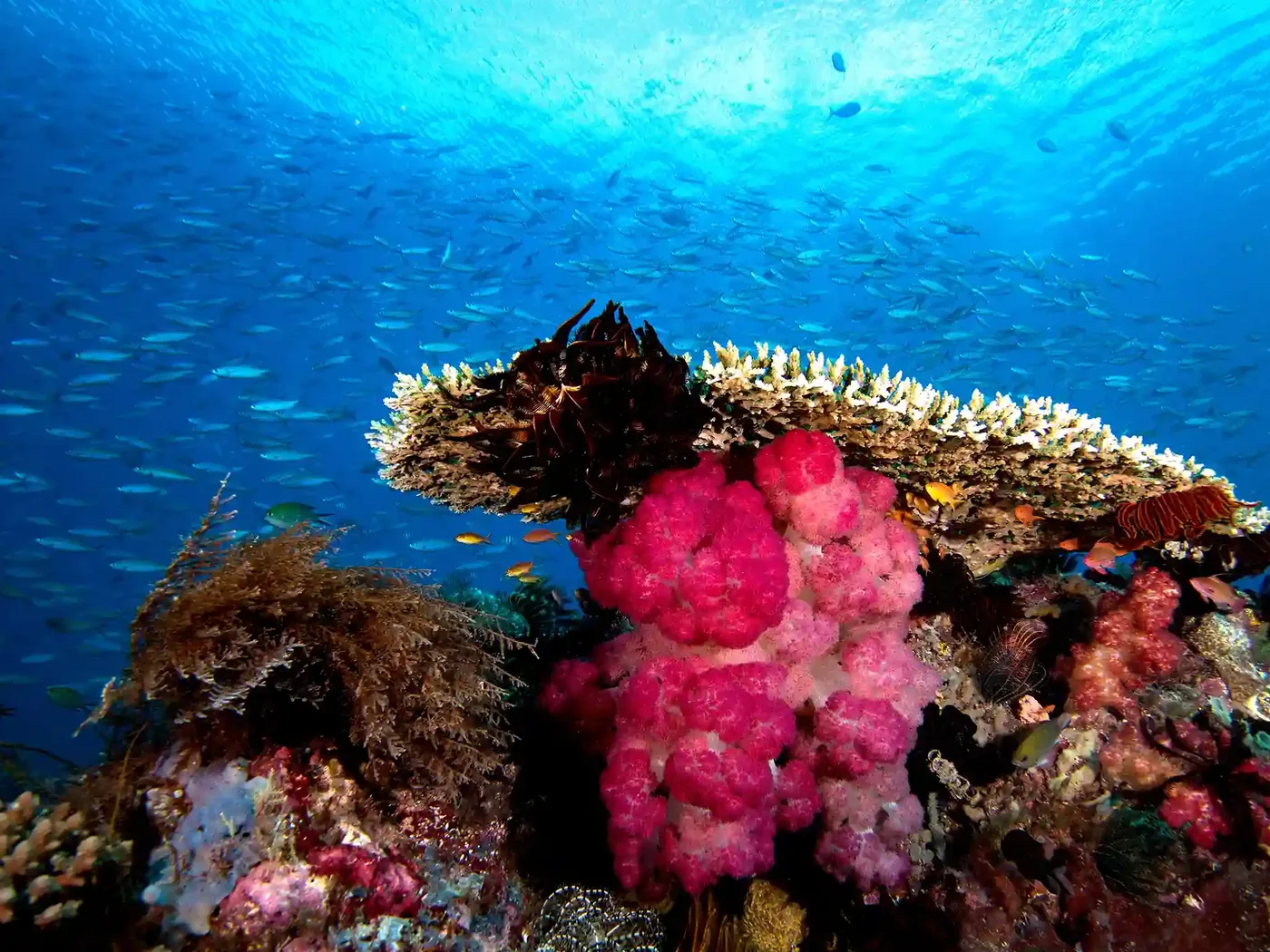
**Alor scuba diving means current-swept walls, world-class muck, and rare pelagics in a remote corner of East Nusa Tenggara. Expect drift dives at Kal’s Dream, black-sand critters in Kalabahi Bay, and 40-plus sites inside a protected marine park. Conditions run best April to November — and this is diving built for confident divers, not first-timers.**
Alor and Pantar sit in the eastern Lesser Sunda Islands, deep inside the Coral Triangle, one of the most biodiverse marine regions on Earth. The pull here is variety: steep gorgonian walls, volcanic black-sand slopes, and cool upwellings that draw big animals close. This guide maps the sites, the seasons, and the skills you need before you plan a trip.
Where do you actually dive in Alor?
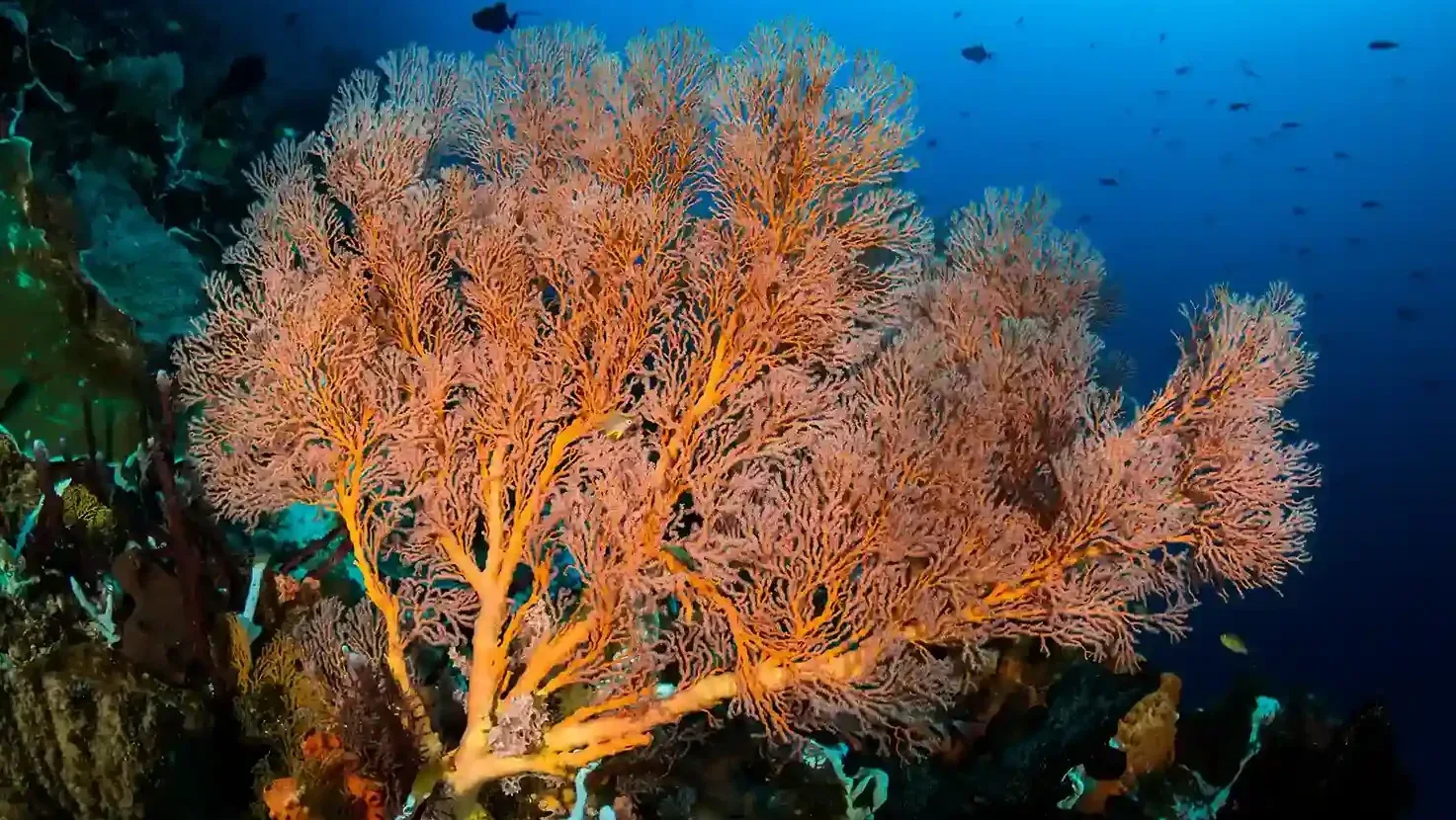
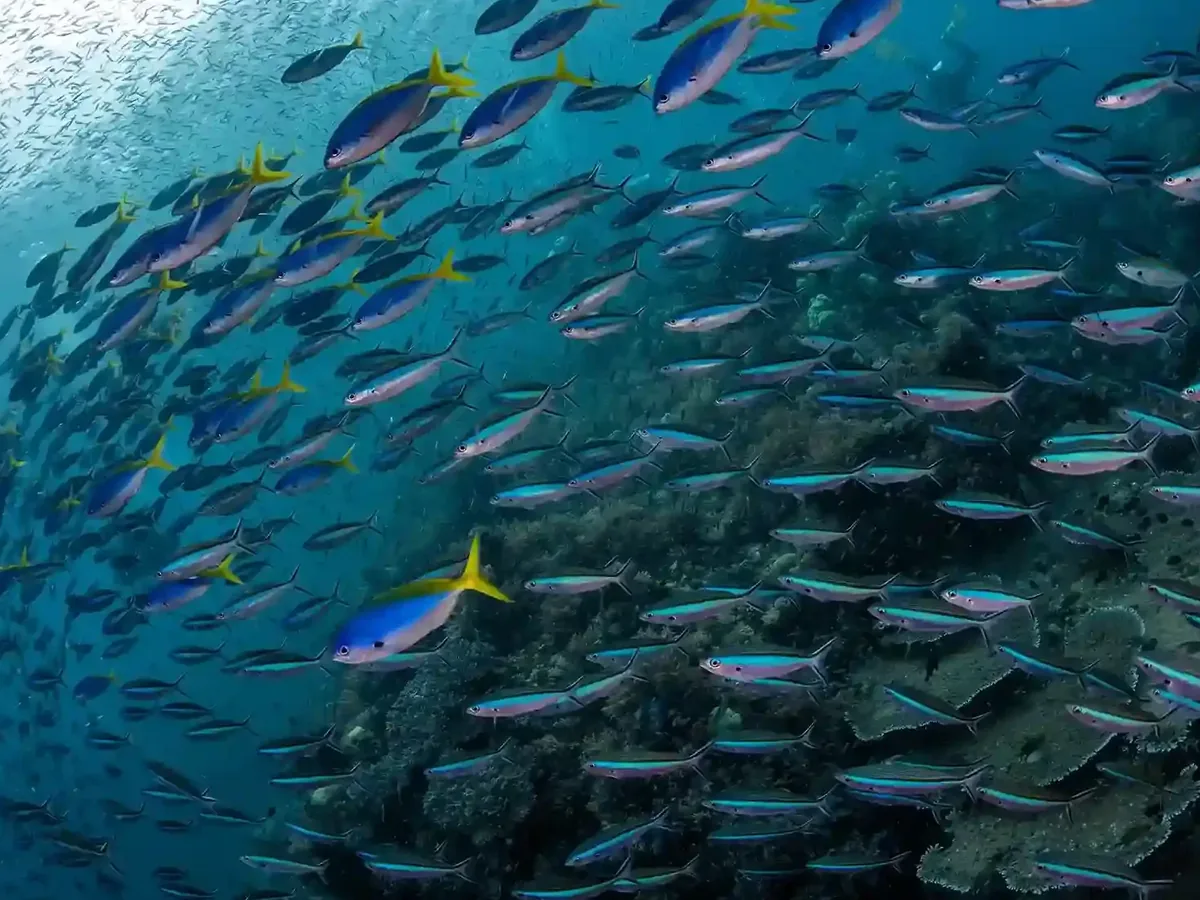
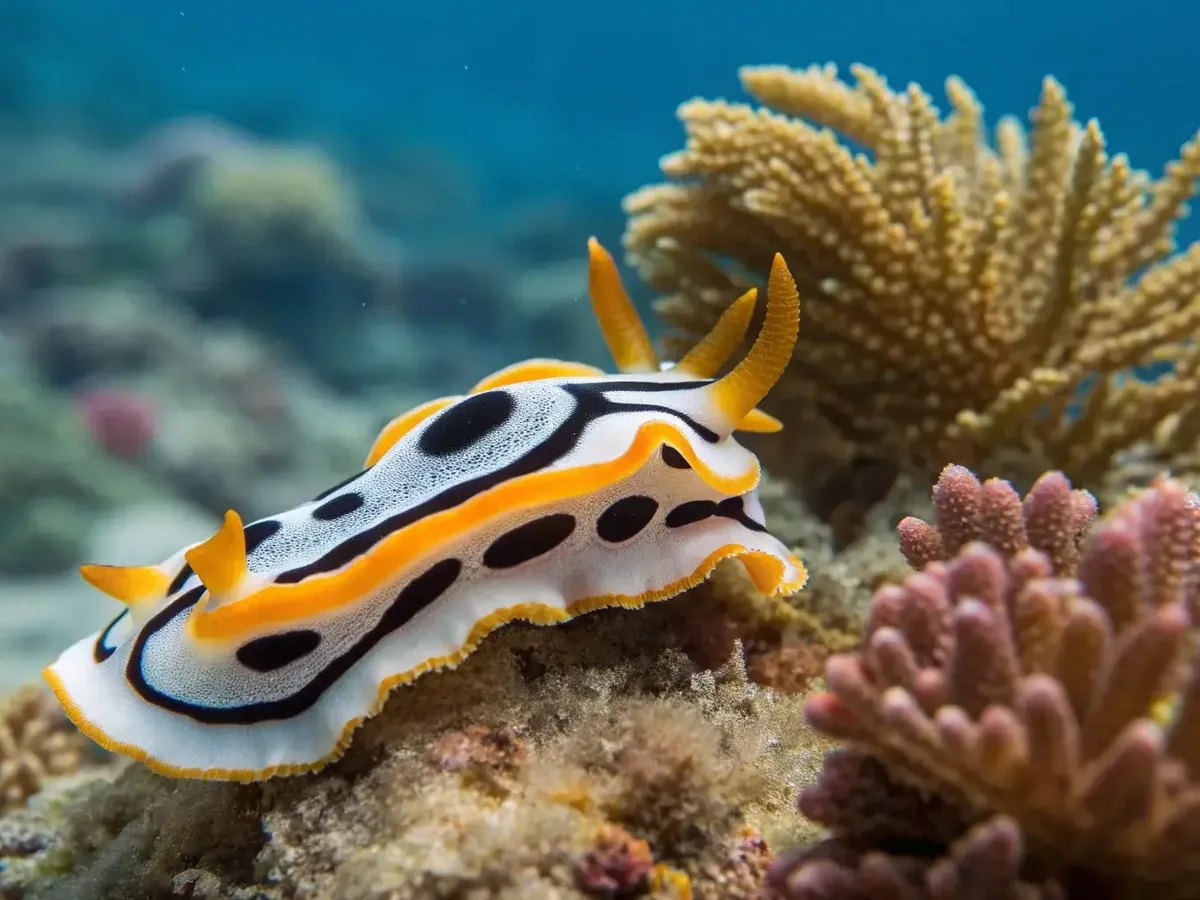
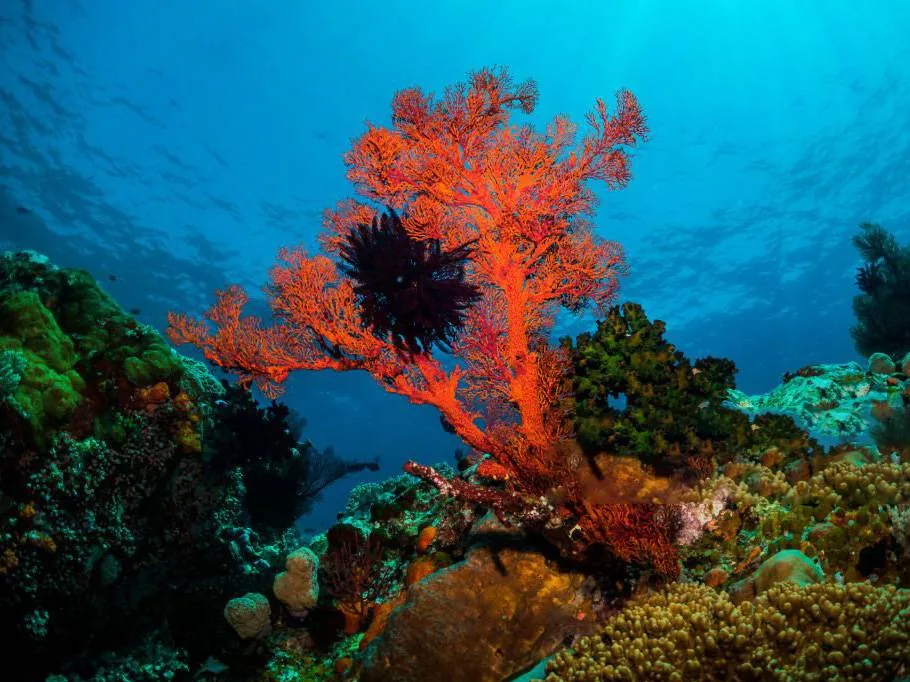
Most Alor diving splits between two moods. The Pantar Strait delivers adrenaline — walls, drop-offs, and fast water where schooling fish and the occasional pelagic hang in the blue. [Kalabahi Bay](/kalabahi-bay-muck-diving/), by contrast, is a quiet volcanic muck arena for macro shooters hunting Pegasus sea moths, mimic octopus, seahorses and nudibranchs. A longstanding Pantar dive resort reaches 40-plus sites within 30 to 45 minutes by boat, so most trips sample both worlds.
| Dive site | Zone | Typical depth | Current | Suited to |
|---|---|---|---|---|
| [Kal’s Dream](/kals-dream-dive-site/) | Pantar Strait | 15–32 m | Very strong | Advanced, fit divers |
| [Pantar Strait walls](/pantar-strait-diving/) | Pantar Strait | 15–25 m | Strong | Advanced |
| Twilight Zone | Pantar Strait | 15–25 m | Moderate–strong | Intermediate+ |
| [Kalabahi Bay muck](/kalabahi-bay-muck-diving/) | Kalabahi Bay | 5–20 m | Mild | All certified levels |
| Pasir Merah, Pura Island | North Pantar | 10–25 m | Moderate | Intermediate |
Kal’s Dream is the headline site — one documented scalloped-hammerhead spot dropping to around 32 metres in very strong current, which is exactly why it demands good fitness. If you love the fast-water, wide-angle style, our [drift diving](/alor-drift-diving/) and [gorgonian wall diving](/alor-wall-diving/) pages go deeper. Camera divers should read the [macro diving](/alor-macro-diving/) and [underwater photography](/alor-underwater-photography/) guides.
When are conditions best across the year?
The dry, calmer window runs April to November, with October and November bringing the most prevalent currents. The rough November-to-March rainy stretch churns the surface, cuts visibility and adds rain — though the muck critters in Kalabahi Bay barely travel, so macro stays productive year-round.
| Period | Water temp | Visibility | Currents | What to expect |
|---|---|---|---|---|
| Nov–Mar (rainy) | ~25–29°C | Often 15 m or less | Unsettled surface | Rain, murkier water; muck still good |
| Apr–May (shoulder) | ~25–31°C | 25–30 m | Moderate | Season opening, warming water |
| Jun–Oct (dry) | 31–32°C | Up to ~40 m | Strong | Best clarity; September best for mola mola |
| Oct–Nov (peak) | ~25°C | 25–30 m | Most prevalent | Big-water diving for experienced divers |
Water sits near 25°C around March–April and October–November, then climbs to 31–32°C through the May–September southeast monsoon. Don’t be fooled by warm surface temps — thermoclines can plunge some sites to 20°C or lower, so a decent exposure suit earns its keep. Plankton blooms from May to September can drop visibility to 15 metres, while the June-to-October dry season can open it to about 40. Plan the calendar with our [season guide](/alor-dive-season-guide/).
How experienced do you need to be?
Alor is an advanced-leaning destination. Operators typically set a PADI Open Water minimum for fun diving but recommend 50 to 100 logged dives to feel comfortable in the Pantar Strait’s currents. The strait’s strong surface flow forces a rapid descent, quick equalising and a regroup around 5 metres — not the place to build your first buoyancy skills.
House rules are strict and sensible: all dives are no-decompression, solo diving is not allowed, and bottom time is usually capped at 60 minutes or when a diver reaches 50 bar. DAN or equivalent dive-accident insurance is mandatory, because the nearest hyperbaric chamber is in Bali and evacuation plus chamber costs are not covered by standard medical policies. If you are still building logged dives, our [dive courses](/alor-dive-courses/) and [snorkelling tours](/alor-snorkeling-tours/) are the safer entry point.
What rules apply inside the Alor marine park?
Alor’s waters are a managed marine protected area, and the rules are enforced. Every diver, snorkeller and marine tourist must attend a mandatory briefing by MPA officers, pay a marine park fee, and hold a permit before entering the water. Dive guides need special certification to lead inside the MPA on top of their standard agency credentials, and the number of divers per site is capped according to WWF-determined carrying capacity.
Fishing and spearfishing are off-limits to visitors, reserved for local fishermen. Protected species include coral reefs, turtles, marine mammals, thresher sharks, mangroves, seagrasses and pelagic fish. In practice this keeps sites healthy — and it is why booking through licensed local operators matters.
Can you dive with the famous pelagics?
Sometimes. The Pantar Strait favours wide-angle scenes with schooling fish, dolphins, pilot whales and occasional orcas, and September is the standout month for [mola mola](/alor-mola-mola-diving/). [Hammerheads](/alor-hammerhead-diving/) and [blue whales](/alor-blue-whale-encounters/) are genuine possibilities here, not guarantees — anyone promising a fixed sighting date is selling you something the ocean never agreed to.
How do you plan an Alor dive trip?
Two formats dominate. Land-based stays at a Pantar dive resort — think 16 divers across standard and deluxe bungalows in local traditional style, small low-emission boats, and 40-plus sites nearby — suit divers who like a home reef. [Liveaboards](/alor-liveaboard-diving/) such as seasonal Alor Sea itineraries run through the September–October window, boarding at Kalabahi Bay to reach sites like Pasir Merah’s gas-vented red sand north of Pura Island.
From there, tailor the trip: multi-day [packages](/alor-diving-packages/), a land-based [dive resort](/alor-dive-resort/) stay, single-day [day trips](/alor-day-trips/), a [private charter](/alor-private-dive-charter/), or a combined [Alor-Pantar safari](/alor-pantar-dive-safari/). Our [trip planning](/alor-dive-travel-planning/) page and the [FAQ](/faq/) cover logistics like flights via Kalabahi and gear.
> Talk to a real person before you book. Currentline Alor is an independent concierge operated by Bali Premium Trip. We don’t run the boats — we arrange your trip through vetted, licensed Alor operators such as Dive Alor Dive, Nautika Dive Alor and Alami Alor. Message our team on WhatsApp at +62 811 2859 0000 or email sales@balipremiumtrip.com for a plan matched to your logbook and dates. Any prices we quote are indicative as of 2026 and subject to change.
Frequently Asked Questions
Is Alor suitable for beginner scuba divers?
Only partly. Operators accept PADI Open Water as a minimum for fun diving, but strongly recommend 50 to 100 logged dives before tackling the Pantar Strait’s strong currents. Beginners are better suited to calmer Kalabahi Bay muck sites or a course, then building experience before attempting advanced drift dives like Kal’s Dream.
Do you need a permit and marine park fee to dive in Alor?
Yes. Alor’s waters are a marine protected area, so every diver must attend a mandatory briefing by MPA officers, pay a marine park fee and obtain a permit before any in-water activity. Diver numbers per site are capped by WWF carrying-capacity limits, and guides need special MPA certification beyond standard agency credentials.
What certification and insurance do you need to dive in Alor?
A recognised entry-level certification such as PADI Open Water is the floor, with 50-plus logged dives recommended. DAN or equivalent dive-accident insurance is mandatory, not optional: the nearest hyperbaric chamber is in Bali, and evacuation plus chamber costs fall outside standard medical insurance. All dives are no-decompression, and solo diving is not permitted.
Which Alor dive sites have the strongest currents?
The Pantar Strait sites carry the fastest water, and Kal’s Dream is the most demanding — a documented scalloped-hammerhead spot reaching around 32 metres in very strong current. Conditions peak in October and November, when currents are most prevalent. These sites require rapid descents, quick equalising and solid fitness, so they suit experienced divers.
Can you dive with hammerheads and blue whales in Alor?
Possibly, but never predictably. Alor’s cool upwellings draw scalloped hammerheads, and blue whales pass through the region, yet neither can be scheduled. September is the reliable window for mola mola. Treat any pelagic encounter as a bonus, and be wary of anyone advertising guaranteed sightings on fixed dates.