Alor Whales & Pelagics Dive Expeditions | Currentline

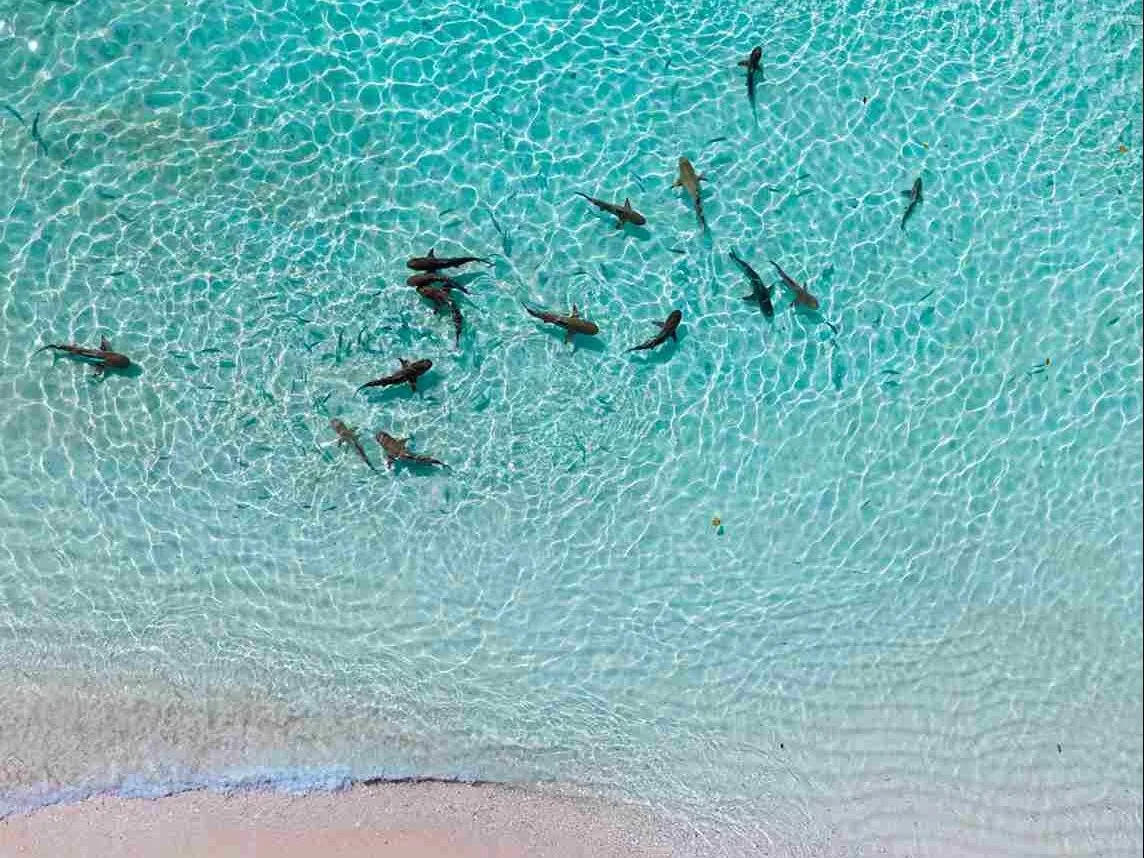
**Alor whales and pelagics dive expeditions chase wide-angle big-animal action across the Pantar Strait — schooling fish, mola mola (best in September), dolphins, pilot whales, occasional orcas and thresher sharks, plus possible blue whale and hammerhead sightings. Currentline Alor arranges them via licensed Alor operators, running April to November when currents and visibility peak.**

This is the broad-spectrum pelagic page. If you want one shot at a single species, ask about our dedicated blue-whale and hammerhead trips. If you want the widest odds across every big animal Alor throws up, keep reading.

What can you actually see on an Alor pelagic expedition?

The Pantar Strait is wide-angle country. Strong, nutrient-heavy current pulls plankton, baitfish and everything that eats them through a narrow channel, so a single drift can stack schooling fish, oceanic sunfish and cetaceans into one frame. Kalabahi Bay’s black-sand muck stays macro-rich year-round, but pelagic hunters point their domes at the open blue.

Everything below is framed as possible, not predictable. Marine mammals are wild and current-driven — no operator can promise a sighting, and we will never date-stamp a “guaranteed” blue whale.

Species / spectacle Where Best window Honest frame
Mola mola (oceanic sunfish) Pantar Strait deep sites September Seasonal, thermocline-dependent
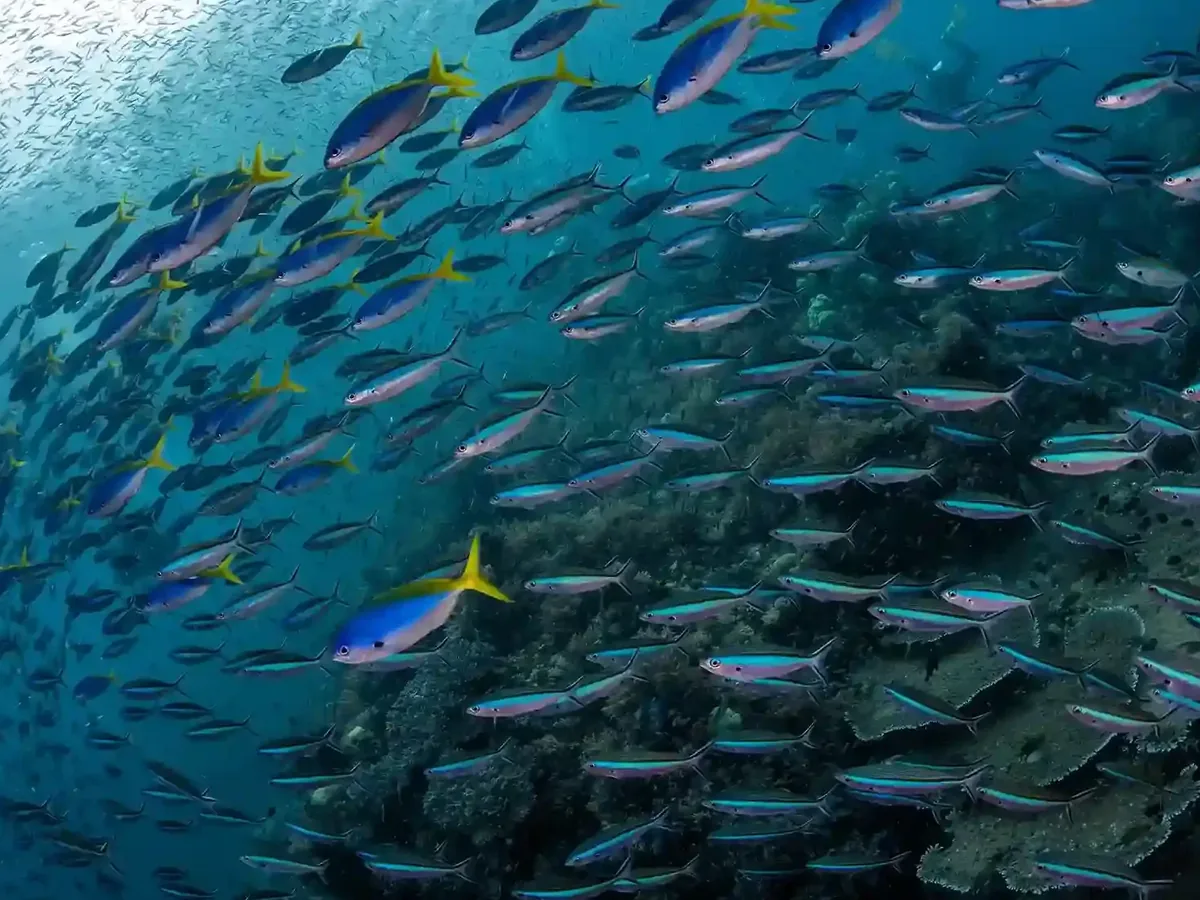
Schooling trevally, barracuda, fusiliers Pantar Strait wide-angle walls Apr–Nov Reliable in strong current
Dolphins & pilot whales Open channel crossings Apr–Nov Surface and in-water, chance-based
Occasional orcas Deep channel Apr–Nov Rare, never guaranteed
Scalloped hammerheads / thresher sharks Deep current site (~32 m) Possible, not predictable Advanced fitness only
Blue whales Alor–Pantar channel No fixed dates Passage only, never guaranteed

The one documented scalloped-hammerhead site drops to roughly 32 metres in very strong current and demands genuine fitness. Most pelagic dives sit shallower, at 15–25 metres, with a rapid descent and a regroup around 5 metres once the current grabs you.

When is the best time for whales and pelagics in Alor?

Best conditions run April to November, and October–November brings the most prevalent currents — which is exactly what concentrates big animals. September is the standout month to spot mola mola as thermoclines push the sunfish up into diveable depth.

Visibility normally sits at 25–30 metres, reaches up to about 40 metres in the dry June–October window, but can fall to 15 metres or less during May–September plankton blooms. That plankton is a trade-off: it clouds the water yet feeds the food chain that draws pelagics in.

Window Water temp Visibility Pelagic note
Apr & Oct–Nov ~25°C 25–30 m Strongest currents, mola mola in Sept
May–Sept 31–32°C surface 15–40 m, bloom-dependent Warm surface, thermoclines can hit 20°C or lower
Nov–Mar (rainy) Cooler, unsettled Reduced Rough surface, we generally steer trips out of this window

Bring an extra layer regardless of the calendar — a thermocline can drop a warm site to 20°C or below in seconds.

What do Alor whales and pelagics dive expeditions cost?

The rates below are Currentline / Bali Premium Trip’s own indicative commercial data as of 2026, subject to change, and arranged through licensed Alor partners. No public, citable price table exists for Alor dive packages, liveaboards or the marine park fee — only that a fee and permit are mandatory — so treat these as planning figures, not sourced quotes.

Option Duration Focus Indicative 2026 rate (per diver)
Pantar land-based pelagic week 7 days / 6 nights, ~18–20 dives Wide-angle walls + big-animal drifts from USD 2,150
Alor Sea liveaboard (Sep–Oct) 8 days / 7 nights Kalabahi Bay to Pasir Merah run from USD 3,900
Short pelagic sampler 4 days / 3 nights, ~9–10 dives September mola mola focus from USD 1,150
Private day charter add-on 1 day, 2–3 dives Current-driven schooling sites from USD 260

Rates exclude the marine park fee and permit, mandatory DAN (or equivalent) dive-accident insurance, and flights into Alor via Kupang. The land-based choice references a longstanding Pantar resort that hosts 16 divers in standard and deluxe traditional-style bungalows, runs small low-emission boats, and reaches 40-plus sites within 30–45 minutes. The liveaboard choice references a Seven Seas Alor Sea itinerary that boards at Kalabahi Bay in the September–October window and dives sites like Pasir Merah, a volcanic red-sand slope with gas vents north of Pura Island.

How does booking a pelagic expedition work?

  1. Message the concierge with your dates, target species, certification level and logged-dive count.
  2. We match your operator — Dive Alor Dive, Nautika Dive Alor or Alami Alor — and confirm land-based resort versus Alor Sea liveaboard.
  3. Review your indicative 2026 quote, secure the slot, and arrange DAN insurance before you fly.
  4. Pre-trip logistics cover the MPA permit, marine park fee, WWF carrying-capacity slot and Kupang connections.
  5. Dive after the mandatory MPA officer briefing on arrival, then work the wide-angle pelagic sites with a specially certified Alor guide.

What experience and rules apply?

Alor sits inside a marine protected area, so every diver attends a compulsory briefing by MPA officers, pays the marine park fee and holds a permit before entering the water. Diver numbers per site are capped by WWF-determined carrying capacity, guides carry special MPA certification on top of agency certs, and fishing or spearfishing is off-limits to visitors. Protected species here include coral reefs, turtles, marine mammals, thresher sharks, mangroves, seagrasses and pelagic fish.

  • Minimum certification: PADI Open Water, but 50–100 logged dives are strongly recommended for comfort in Alor–Pantar current.
  • Dive limits: all dives are no-decompression; solo diving is not allowed; typical bottom time caps at 60 minutes or when you reach 50 bar.
  • Insurance: DAN or equivalent dive-accident cover is mandatory because the nearest hyperbaric chamber is in Bali, and evacuation plus chamber costs sit outside standard medical insurance.

Ready to arrange your Alor pelagic expedition?

Currentline Alor is an independent dive-travel concierge, operated by Bali Premium Trip. We do not run the boats — we curate and arrange your trip through vetted, licensed Alor operators and handle the permits, timing and logistics so you just dive.

Message the concierge on WhatsApp at +62 811 2859 0000 or email sales@balipremiumtrip.com with your dates and dive experience, and we will build an indicative 2026 pelagic itinerary around your target species and skill level.

Frequently Asked Questions

Are blue whale and hammerhead sightings guaranteed on an Alor expedition?

No. Blue whales pass through the Alor–Pantar channel on no fixed schedule, and hammerheads appear at one deep, very-strong-current site around 32 metres. We frame both as possible, never predictable, and refuse to invent peak dates. A pelagic-combo trip simply widens your odds across mola mola, dolphins, pilot whales and schooling fish too.

Which month is best for mola mola in Alor?

September is the best month to spot mola mola in the Pantar Strait, when thermoclines lift the oceanic sunfish into diveable depth. It also overlaps the strong late-year currents that concentrate pelagics. Book early, since WWF carrying-capacity caps limit diver numbers per site during this popular window and slots fill fast.

Do I need advanced certification for Alor pelagic diving?

The minimum for fun diving is PADI Open Water, but Alor operators strongly recommend 50–100 logged dives. Pantar Strait currents demand a rapid descent, quick equalising and a regroup near 5 metres. The deep hammerhead site reaches roughly 32 metres in very strong current and needs solid fitness, so honest self-assessment matters more than the card alone.

Is dive insurance required for Alor whale and pelagic trips?

Yes. DAN or equivalent dive-accident insurance is mandatory because the nearest hyperbaric chamber is in Bali, and evacuation plus chamber treatment fall outside standard medical insurance. We confirm your cover before departure. Alor’s remoteness is part of its appeal, but it also means self-sufficiency on safety is non-negotiable for every diver on the trip.

Should I choose a liveaboard or land-based resort for pelagics?

Both work. A Pantar land-based resort hosts 16 divers and reaches 40-plus sites within 30–45 minutes, ideal for flexible, repeatable pelagic drifts. An Alor Sea liveaboard, boarding at Kalabahi Bay in the September–October window, covers wider ground including sites like Pasir Merah. We match the format to your dates, budget and target species.
WhatsApp the concierge
Scroll to Top