
Community-Based Marine Conservation Projects in Alor: A 2027 Outlook
Community-based marine conservation in Alor centers on the Alor marine protected area (MPA) around Kalabahi Bay and the Pantar Strait, where local officers run mandatory briefings, collect park fees, and enforce WWF-set diver caps. Going into 2027, growing dive tourism gives that community-run framework a steadier stream of funding and compliance to work with.
What does community-based marine conservation in Alor look like right now?
Alor and Pantar sit in the eastern Lesser Sunda Islands of East Nusa Tenggara, deep inside the Coral Triangle — the planet’s richest belt of marine biodiversity. What makes conservation here “community-based” is that the rules are enforced on the water by local MPA officers, not from a distant office. As of 2026, every diver, snorkeller and marine tourist must attend a mandatory briefing by MPA officers, pay a marine park fee, and hold a permit before entering the water.
That structure hands local people real authority. Guides need special certification to lead dives inside the Alor MPA, on top of their standard agency cards. Fishing and spearfishing are off-limits to visitors and reserved for local fishermen, which keeps subsistence rights with residents while protecting reefs from tourist pressure. It is a working system, not a marketing line.
Why does muck diving fit community conservation so well?
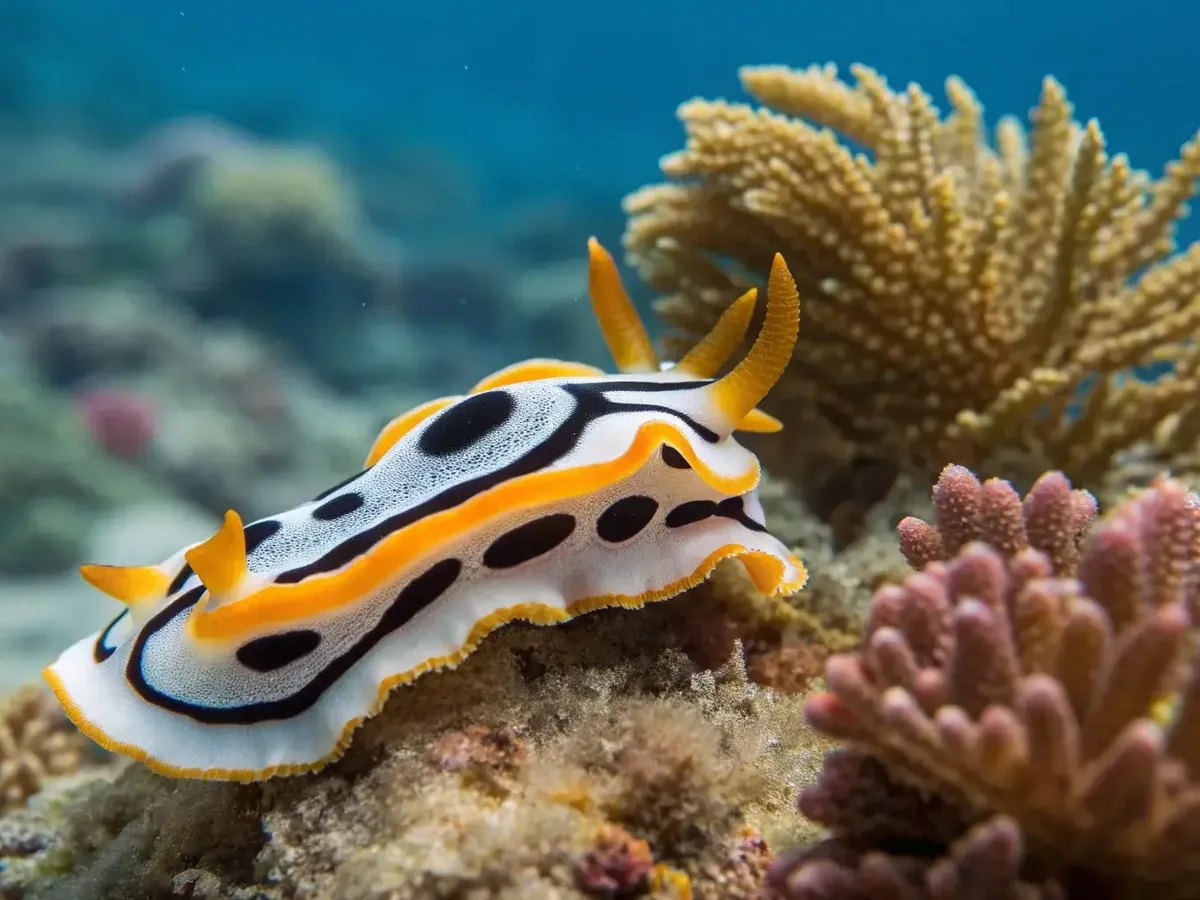
Kalabahi Bay is a volcanic black-sand muck-diving hotspot, and it happens to be the clearest place to see how tourism and protection line up. Because the bay’s critters — Pegasus sea moths, mimic octopus, seahorses, nudibranchs and frogfish — don’t travel far, muck diving stays productive year-round, which is why steady demand for muck diving expedition packages gives local managers a predictable stream of visitor fees rather than a chaotic seasonal spike.
Predictable visitor flow matters for conservation. When numbers are steady and capped, officers can plan patrols, brief every group properly, and keep each site inside its WWF-determined carrying capacity. A boom-and-bust tourism pattern would overwhelm the same reefs the community is trying to protect.
How does the Alor MPA turn dive tourism into conservation funding?
The mechanism is deliberately simple: access is gated, and the gate generates both funding and compliance. Here is how the core rules translate into on-the-ground protection.
| Rule in the Alor MPA | What it does for conservation |
|---|---|
| Mandatory officer briefing | Puts a local authority in front of every group before they dive |
| Marine park fee + permit | Creates a funding stream tied directly to visitor numbers |
| Guide certification for the MPA | Keeps guiding jobs and standards with trained residents |
| WWF carrying-capacity caps | Limits divers per site so reefs are not overloaded |
| No fishing or spearfishing for visitors | Reserves harvest rights for local fishermen |
| Minimum experience levels | Reduces reef damage from inexperienced divers |
The species this framework protects are broad: coral reefs, turtles, marine mammals, thresher sharks, mangroves, seagrasses and pelagic fish all sit on Alor’s protected list as of 2026. That legal backbone is what any future monitoring or restoration work would build on.
Which 2026 signals point toward 2027 — and what is still just outlook?
Now the honest part. This is an outlook, not a forecast. The signals below are dated to 2026; where the reasoning stretches into 2027, that is extrapolation, not a promise. Nobody can guarantee how Alor’s conservation economy evolves.
| 2026 signal | Why it points toward 2027 | Honest caveat |
|---|---|---|
| Rising “last untouched gem” interest in Alor | More visitors mean more fee revenue for the MPA | Growth could also strain capped sites |
| Carrying capacity already WWF-set | The framework exists to absorb demand without overrun | Enforcement depends on staffing and funding |
| Muck sites productive year-round | Steadier off-season income for the community | Weather from November to March still limits access |
| Protected-species list legally in force | A legal base for future reef monitoring | Published monitoring data remains thin |
Read the table honestly and two things stand out. First, the structure to convert rising demand into protection is already in place — the fees, the caps, the certification. Second, everything downstream depends on enforcement that is invisible from a booking page. Treat glowing “community project” claims with the same skepticism you would treat any other tourism promise, and ask operators what specific work they actually support.
How can divers take part responsibly?
You do not need a special “conservation trip” to contribute — following the existing rules is the contribution. The practical checklist is short and grounded in how Alor already operates.
- Book licensed, established Alor operators. The certification and briefing system only works if you go through it, not around it.
- Arrive fit and experienced. Around 50 to 100 logged dives is the comfort benchmark for the Pantar Strait’s strong currents, where dives typically run 15 to 25 metres and one scalloped-hammerhead site reaches roughly 32 metres.
- Carry DAN or equivalent dive-accident insurance. It is effectively mandatory here, because the nearest hyperbaric chamber is in Bali and evacuation and chamber costs are not covered by standard medical insurance.
- Dive in the right window. Conditions are best from April to November, with October and November bringing the most prevalent currents; visibility can reach up to 40 metres in the June-to-October dry season.
- Pay the fee and respect the caps. That single act is the most reliable way your visit funds protection.
Do those five things and you are already inside the community framework rather than working against it. Going into 2027, that is what conservation in Alor mostly looks like from a visitor’s seat: not a badge or a bolt-on, but disciplined diving that keeps the reefs inside limits the community itself has set.
Frequently Asked Questions
Can tourists volunteer directly with marine conservation projects in Alor?
No widely publicized drop-in volunteer program is documented as of 2026. The reliable way visitors support conservation is indirect: attending the mandatory MPA briefing, paying the marine park fee, respecting diver caps, and booking licensed local operators. Some resorts run informal reef clean-ups, but treat any packaged “volunteer” claim skeptically until you confirm the specifics directly.
Where does the Alor marine park fee actually go?
Officially, the fee and permit system funds MPA management — the officer briefings, patrols, and enforcing WWF-determined carrying capacity. A public, line-by-line ledger is not something you will find as of 2026, so treat specific percentage claims cautiously. The dependable takeaway is simpler: paying the fee is a legal requirement and the clearest way your visit supports protection.
Is coral restoration or reef monitoring active around Kalabahi and Pantar?
Alor’s reefs, turtles, marine mammals, thresher sharks, mangroves and seagrasses are legally protected, and WWF has been involved in setting site carrying capacity. Continuously published restoration or monitoring data is limited, though. Consider active reef monitoring an evolving 2027 outlook rather than a proven, scaled program, and ask your operator exactly what work, if any, they contribute to.
More from the journal
Keep reading
Alor vs Komodo Liveaboard Costs: A 2026 Diver’s Breakdown
Alor liveaboards usually cost more per dive than Komodo ones for structural reasons: long crossings, heavy fuel burn and thin…
Alor–Pantar Strait Hyperbaric and Evacuation Logistics: A 2027 Safety Outlook
The nearest recompression chamber to the Alor–Pantar Strait sits in Bali, hundreds of kilometres and a multi-leg journey west, so…
Alor to Komodo Frontier Liveaboard Expeditions: A 2027 Route Outlook
An Alor-to-Komodo frontier liveaboard expedition strings together two of Indonesia's wildest dive regions in one crossing — current-swept Pantar Strait…
Alor and Forgotten Islands Combination Itineraries: A 2027 Crossing Guide for Photographers
A combination itinerary pairs Alor and Pantar's current-swept walls with the remote Forgotten Islands arc toward Banda — usually a…
Kupang Gateway Guide for Alor Divers: 2027 Group Logistics
Kupang — the East Nusa Tenggara provincial capital on Timor — is the practical mainland gateway for dive groups bound…
Licensed Alor Dive Operators: A 2027 Compliance Checklist
A licensed Alor dive operator should hold valid Indonesian tourism business registration, employ guides with special Alor MPA certification on…