Alor Dive Travel Insurance and DAN Coverage: What Every Diver Must Arrange
Yes — dedicated dive-accident cover from DAN (Divers Alert Network) or an equivalent is effectively mandatory for diving Alor. Standard travel insurance rarely pays for chamber treatment or emergency evacuation, and the nearest recompression chamber sits in Bali, hundreds of kilometres away. Budget for both a dive policy and a medical-evacuation plan before you fly.
Why is dive-accident insurance non-negotiable in Alor?
Alor sits in the eastern Lesser Sunda Islands of East Nusa Tenggara, deep inside the Coral Triangle and far from any city-grade hospital. This is expert-level diving. The Pantar Strait throws strong surface currents that demand rapid descents and tight regrouping around 5 metres, most dives run 15-25 metres, and one documented scalloped-hammerhead site drops to roughly 32 metres in very strong current. When something goes wrong out here, help is not around the corner.
That remoteness is exactly why every reputable Alor operator treats DAN membership, or an equivalent dive-accident policy, as mandatory rather than optional. As of 2026, the nearest recompression chamber is in Bali — a boat and flight transfer away — and neither the chamber treatment nor the emergency evacuation needed to reach it is covered by standard medical or travel insurance. A single decompression illness case can mean a chartered evacuation plus hours in a chamber, and that bill lands on you if you are uninsured.
Alor’s waters are also a managed marine protected area (MPA), and the rules assume prepared divers. Before any marine activity you must attend a briefing by MPA officers, pay a marine park fee, and obtain a permit. Minimum experience levels apply and guides need special MPA certification on top of standard agency certs. None of that MPA paperwork replaces your personal dive-accident cover — it sits on top of it.
What does DAN cover that your travel policy does not?
The gap most divers miss is the difference between “medical insurance” and “dive-accident insurance.” A regular travel policy may pay for a twisted ankle or a stomach bug, but it frequently excludes scuba injuries, hyperbaric treatment, and the specialised evacuation a dive emergency requires. Dedicated cover is built for exactly those events.
| Scenario | Standard travel/medical insurance | Dedicated dive-accident cover (DAN or equivalent) |
|---|---|---|
| Decompression illness treatment | Often excluded | Core covered benefit |
| Hyperbaric chamber sessions | Rarely paid | Included up to plan limit |
| Emergency dive evacuation to Bali | Usually not covered | Covered up to the evacuation ceiling |
| Non-dive medical (fever, sprain) | Usually covered | Not the focus — keep a travel policy too |
| Lost or flooded camera and strobes | Sometimes, as baggage | Only with a separate equipment rider |
If you are travelling for macro work on our [Alor underwater photography expeditions](/alor-underwater-photography-dive-expeditions/), note that camera housings, strobes and lost-gear claims are usually a separate equipment rider — dive-accident cover protects your body, not your rig, so read both sections before you assume you are fully protected.
How far is the nearest hyperbaric chamber — and what does evacuation involve?
Distance is the whole reason this matters. Alor has no chamber of its own, so a serious decompression event triggers a chain of transfers that eats hours, not minutes. Here is roughly what an evacuation from Alor toward Bali’s chamber can involve:
- Surface and stabilise — first aid, oxygen, and communication with the operator and a hotline such as DAN’s emergency line.
- Boat transfer — moving the diver from the dive site or Pantar-based resort to Kalabahi and the nearest airstrip.
- Air transfer to Bali — the chamber is in Bali as of 2026, so onward flight or medical air transport is usually required.
- Chamber treatment — one or more hyperbaric sessions once the diver reaches the facility.
We do not publish fixed evacuation or chamber prices because no current, citable figure applies to every case — costs swing with timing, transport mode and severity. The honest takeaway is simpler: these sums are large, they are not reimbursed by standard cover, and a dive-accident plan with a high evacuation ceiling is what stands between you and paying it all yourself.
Which policy features should you check before booking?
Not all dive cover is equal, and the fine print decides whether a claim is paid. Run through this checklist before you commit, and keep proof you can show the operator on arrival.
| Check before you book | Why it matters in Alor |
|---|---|
| Scuba explicitly named, not excluded | Many policies void scuba claims by default |
| Depth limit at least 30 metres | Hammerhead sites reach ~32 metres |
| Hyperbaric and chamber costs listed | The nearest chamber is in Bali as of 2026 |
| Evacuation ceiling stated in a currency | Boat plus air transfer from Alor is costly |
| Valid for your full trip dates | Cover must span every diving day |
| Card or certificate to show on site | Operators require proof before you dive |
A practical pattern that works well: carry a dedicated dive-accident plan (DAN or equivalent) for injuries and evacuation, plus a normal travel policy for everything non-dive, and — if you shoot underwater — a gear rider for the camera system. Three layers, one clear purpose each.
What do Alor’s own dive rules demand from your cover?
Operator rules in Alor-Pantar are strict by design, and they line up neatly with what insurers expect from you. Meeting the operator standard usually means you also meet the conditions your policy relies on.
Representative, citable operator rules include a minimum of PADI Open Water for fun diving, with 50-100 logged dives recommended for comfort in these currents. All dives are strictly no-decompression, solo diving is not allowed, and a typical bottom-time limit is 60 minutes or the point where a diver reaches 50 bar. These no-deco, buddy-only limits are the safety envelope; diving inside it keeps you within the scenarios your dive-accident cover is written to protect.
Best conditions run April to November, with October and November bringing the most prevalent currents, so most travellers dive Alor in exactly the window where fitness and preparation matter most. Confirm your cover is active for the full trip, carry your membership details, and treat the mandatory insurance not as a formality but as the one line item that makes remote-frontier diving sane.
Frequently Asked Questions
Does standard travel insurance cover scuba diving in Alor?
Rarely in full. Many travel policies exclude scuba entirely or cap the depth, and almost none pay for hyperbaric treatment or dive-specific evacuation. Because Alor’s nearest chamber is in Bali as of 2026, you need dedicated dive-accident cover such as DAN on top of any travel policy. Always confirm scuba and chamber costs are named in writing.
Is DAN membership alone enough, or do I need extra evacuation cover?
Membership alone is not automatically full cover. You generally add a dive-accident insurance plan on top of the membership, and evacuation limits vary by tier. Because reaching Bali’s chamber from Alor can involve boat and air transfers, check that your plan’s evacuation ceiling is high enough to fund a genuine chartered evacuation, not just a token amount.
What happens if I get decompression sickness in Alor without insurance?
You pay out of pocket, and the sums are serious. An uninsured case can mean self-funding an emergency evacuation to Bali plus hyperbaric chamber sessions, none of which standard medical insurance reimburses. Treatment cannot wait, so the practical result is a large unplanned bill — the exact reason operators require proof of dive-accident cover before you are allowed to dive.
More from the journal
Keep reading
Alor vs Komodo Liveaboard Costs: A 2026 Diver’s Breakdown
Alor liveaboards usually cost more per dive than Komodo ones for structural reasons: long crossings, heavy fuel burn and thin…
Alor–Pantar Strait Hyperbaric and Evacuation Logistics: A 2027 Safety Outlook
The nearest recompression chamber to the Alor–Pantar Strait sits in Bali, hundreds of kilometres and a multi-leg journey west, so…
Alor to Komodo Frontier Liveaboard Expeditions: A 2027 Route Outlook
An Alor-to-Komodo frontier liveaboard expedition strings together two of Indonesia's wildest dive regions in one crossing — current-swept Pantar Strait…
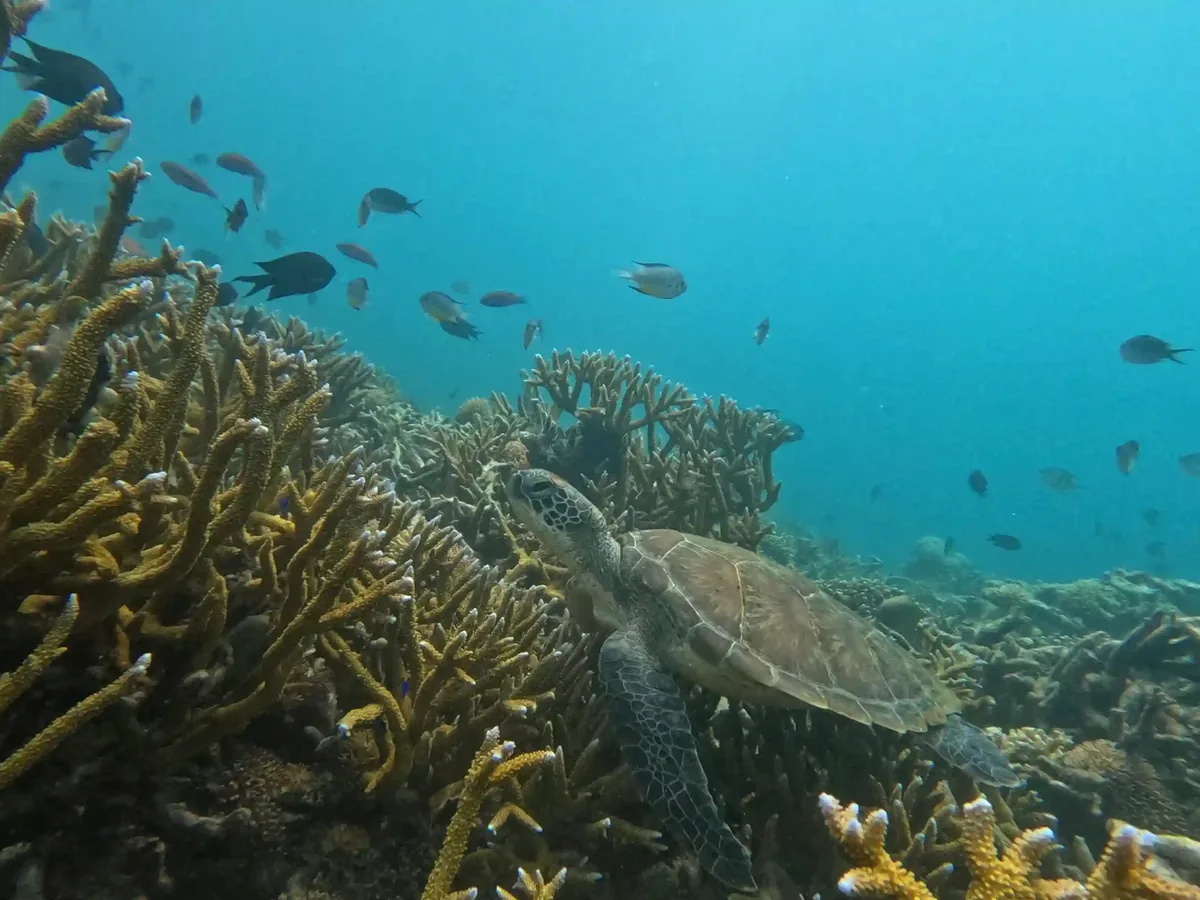
Community-Based Marine Conservation Projects in Alor: A 2027 Outlook
Community-based marine conservation in Alor centers on the Alor marine protected area (MPA) around Kalabahi Bay and the Pantar Strait,…
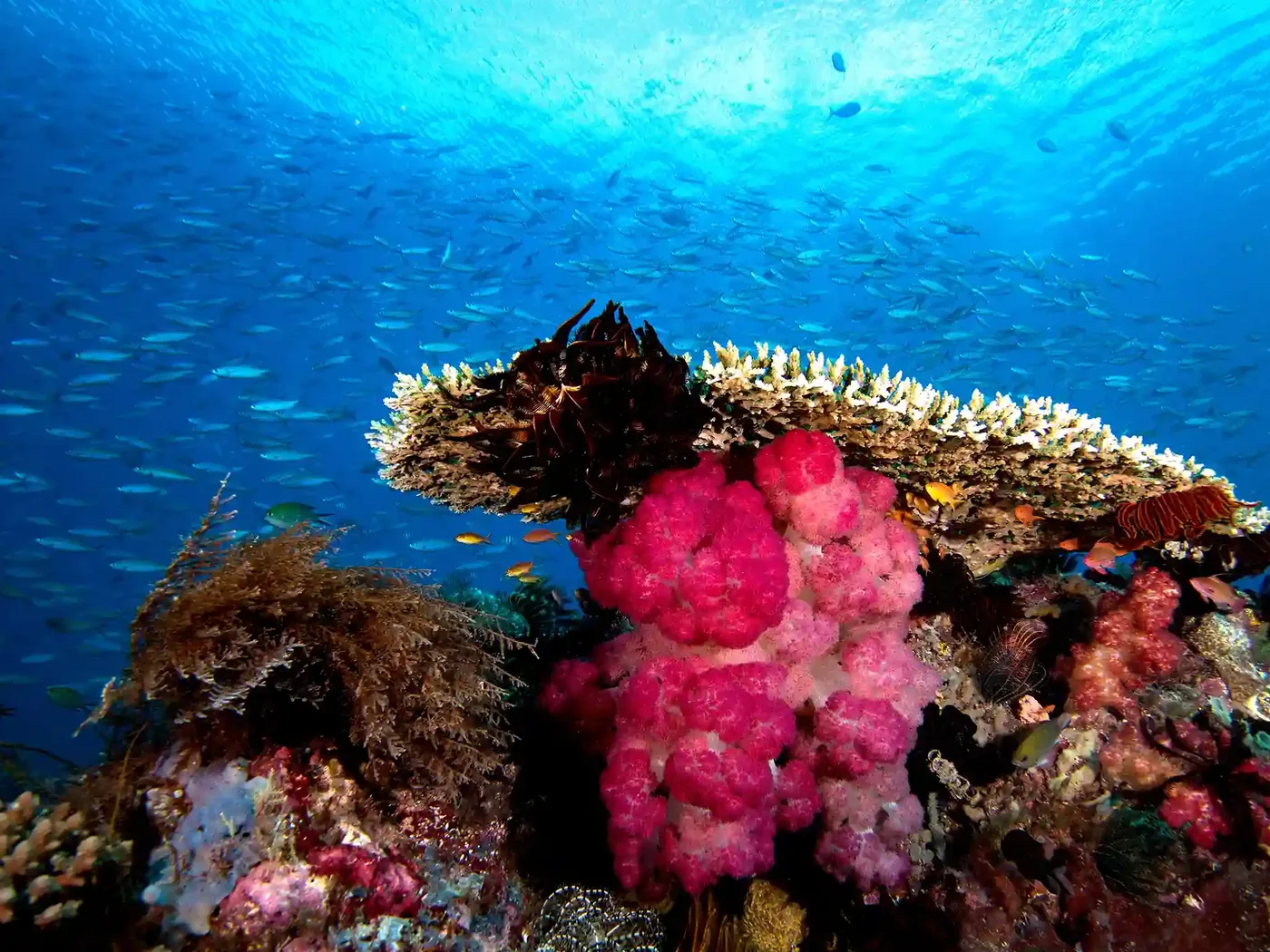
Alor and Forgotten Islands Combination Itineraries: A 2027 Crossing Guide for Photographers
A combination itinerary pairs Alor and Pantar's current-swept walls with the remote Forgotten Islands arc toward Banda — usually a…
Kupang Gateway Guide for Alor Divers: 2027 Group Logistics
Kupang — the East Nusa Tenggara provincial capital on Timor — is the practical mainland gateway for dive groups bound…