Alor Diving for Advanced Drift Divers: Reading Down-Currents, Eddies and the Skill Floor
Alor diving rewards advanced drift divers who can descend fast, read down-currents, and hold trim in moving water. The Pantar Strait serves negative entries, spiralling eddies, and sudden upwellings, with most profiles running 15 to 25 metres. Alor operators typically recommend 50 to 100 logged dives before you feel truly at home here, and every site sits inside a managed marine protected area.
This is not a place to log your fiftieth dive by accident. Alor and Pantar sit in the eastern Lesser Sunda Islands of East Nusa Tenggara, deep inside the Coral Triangle, one of the richest stretches of ocean on the planet. The catch is that all that life is pushed around by water that moves like a river. If you already love drift diving in Komodo or the Bali channels, Alor is the next step up in commitment and current-reading.
What makes Alor drift diving genuinely advanced?
The current is the whole point, and it behaves differently from the predictable tidal pushes many divers know. The Pantar Strait funnels water between islands, so surface currents can be strong enough that guides call for a fast, committed descent. You drop negatively, equalise on the way down, and regroup as a group around 5 metres before the flow scatters everyone. Hesitate at the surface and you can be a hundred metres downstream before you reach the reef.
Below the surface the water is rarely uniform. Advanced Alor divers are dealing with three things at once:
- Down-currents that grab you along a wall or drop-off and try to pull you deeper than your planned 15 to 25 metres.
- Eddies and washing-machine upwellings where opposing flows meet, spinning divers and making buoyancy control genuinely difficult.
- Thermoclines that can drop parts of a site to 20 C or lower, often exactly where the current is strongest.
Handling all of that while staying inside a no-decompression profile, keeping an eye on your buddy, and framing a photograph is why so many experienced divers arrange an Alor private dive guide hire before they arrive. A dedicated specialist who dives these seams weekly knows which side of a bommie shelters you from the down-current and where the eddy line sits on a given tide.
What is the real skill floor for Alor?
Rules vary by operator, but the representative Alor requirements are strict and worth knowing before you book. Minimum certification for fun diving is usually PADI Open Water, yet certification alone is not the honest benchmark. Comfort in current is. Use this self-assessment before committing to a Pantar Strait itinerary. Divers pairing Alor with Komodo can compare liveaboard options and departure dates, where shared cabins are listed at USD 300 to USD 800 per person plus 11-12% VAT.
| Capability | Why it matters in Alor | Honest self-check |
|---|---|---|
| Fast negative descent | Strong surface current demands you leave the surface quickly and equalise on the move | Can you sink to 5 m in under a minute, clearing ears the whole way? |
| Reference-free buoyancy | Eddies and upwellings offer no stable visual reference | Can you hold depth in blue water without a reef to stare at? |
| Reverse-profile discipline | All Alor dives are no-decompression, with a typical bottom-time limit of 60 minutes or when you hit 50 bar | Do you turn the dive on time or gas, not on the fish? |
| Buddy awareness | Solo diving is not allowed here | Can you keep a buddy in sight while a current pushes you both? |
| SMB deployment in current | Pickups happen away from the reef, often mid-water | Can you shoot a marker buoy one-handed while drifting? |
Most Alor operators suggest 50 to 100 logged dives for genuine comfort in the Pantar Strait, and that number is about muscle memory, not ego. One documented scalloped-hammerhead site drops to roughly 32 metres in very strong current and demands real fitness; that is an expert dive, not an intermediate one.
Do you need a DPV to dive Alor?
No — a diver propulsion vehicle is not required, and in the strongest Pantar flow it can be a liability rather than an advantage. Alor drift diving is mostly about going with the current, not fighting it, so the classic technique is to descend, tuck against the reef in the lee of the flow, and let the water carry you along the wall. A DPV earns its place in two situations: covering distance on the long volcanic slopes, or nosing into a gentle current to hold position on a cleaning station or a school of fish. If you bring one, treat it as a range extender, not a crutch, and make sure your guide and the marine park briefing officers know your plan. Poor scooter handling near a down-current can pull an unfit diver past a safe depth fast.
When are Alor’s currents strongest?
Season shapes everything about an advanced drift trip — current strength, water temperature, and visibility all shift through the year. Plan your skill exposure around this.
| Window | Conditions | What it means for drift divers |
|---|---|---|
| April to November | Best overall diving; Oct–Nov has the most prevalent currents | Prime advanced season; October–November is the toughest, most rewarding water |
| May to September | Warmest water at 31–32 C, but plankton blooms drop visibility to 15 m or less | Great for wide-angle pelagics; expect lower vis in the strongest flow |
| June to October | Dry season, visibility up to around 40 m | Clearest water for wall and drift photography |
| November to March | Rainy season, unsettled surface, rain, reduced visibility | Off-peak; muck diving in Kalabahi Bay stays reliable year-round |
Water sits near 25 C in March–April and October–November, so a thermocline dropping a site to 20 C is a real possibility. September is also the standout month for spotting mola mola in the strait. Blue whales and hammerheads are always a possibility here, never a promise — no honest operator will guarantee a date.
What safety and permit rules apply?
Alor’s waters are a marine protected area, and the rules are enforced, not decorative. Before any dive you must attend a mandatory briefing by MPA officers, pay a marine park fee, and hold a permit. Diver numbers per site are capped by WWF-determined carrying capacity, and guides need special certification to lead inside the Alor MPA on top of their standard agency credentials — one more reason a vetted local specialist matters.
Two non-negotiables round out the picture. First, DAN or equivalent dive-accident insurance is mandatory, because the nearest hyperbaric chamber is in Bali and evacuation plus chamber costs are not covered by standard medical insurance. Second, fishing and spearfishing are off-limits to visitors, reserved for local fishermen; the reefs, turtles, marine mammals, thresher sharks, mangroves and seagrasses here are all protected. Dive it the way the strait demands — prepared, insured, and humble about the water.
Frequently Asked Questions
How do you handle a down-current while drift diving in Alor?
Stay calm and move laterally out of the descending column rather than kicking straight up against it. Add a burst of air to your BCD, swim horizontally toward the reef or shallower contour, and vent as you rise. In Alor’s Pantar Strait, keeping your guide in sight and following their line out of the flow is the fastest way clear.
How many logged dives should I have before diving Alor’s Pantar Strait?
Alor operators generally recommend 50 to 100 logged dives for comfort, even though minimum certification is often just Open Water. The number reflects the strong currents, fast negative descents, and reference-free buoyancy the strait demands. If most of your dives were calm and shallow, build current experience in Komodo or Bali channels first, then step up to Alor.
Do you need a scooter or DPV to dive Alor’s currents?
No. Alor drift diving works by going with the current and sheltering against the reef, so a DPV is optional. It helps for covering long volcanic slopes or holding position at a cleaning station, but it is a range extender, not a rescue tool. In the strongest Pantar flow, poor scooter handling near a down-current can pull an unfit diver too deep.
More from the journal
Keep reading
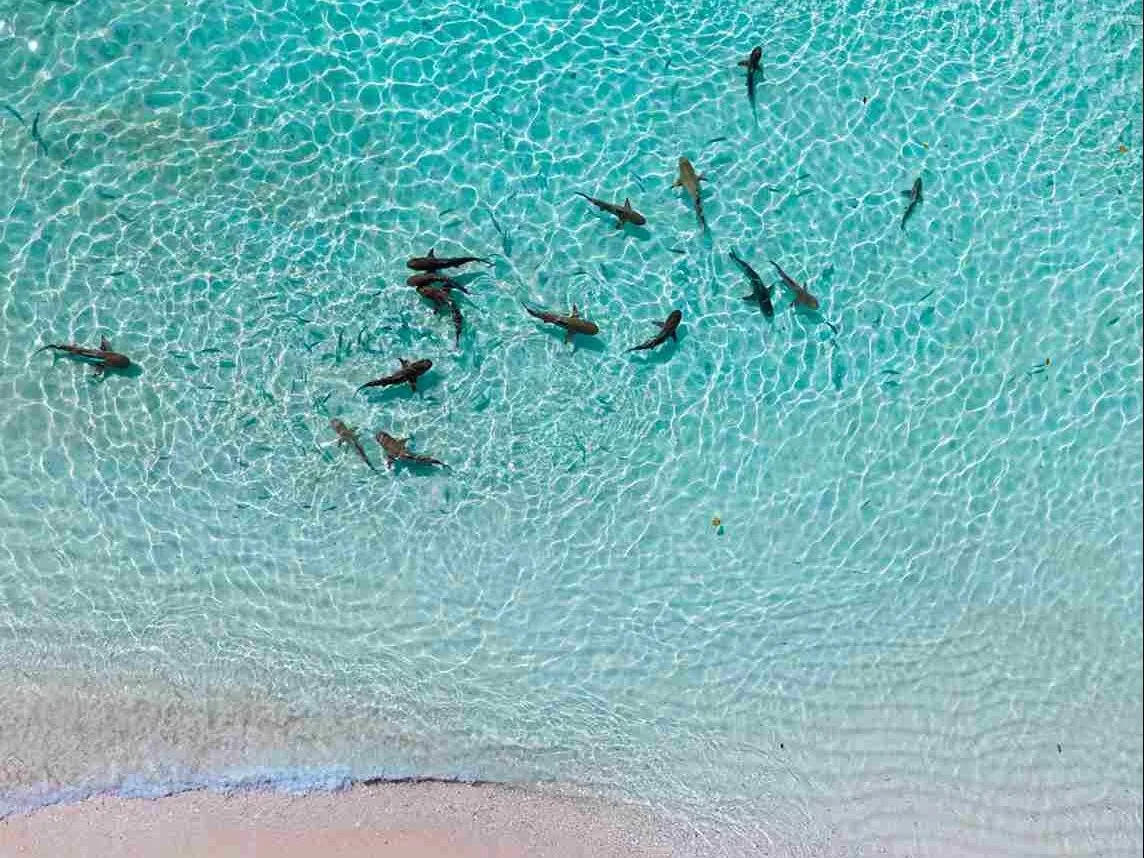
Alor vs Komodo Liveaboard Costs: A 2026 Diver’s Breakdown
Alor liveaboards usually cost more per dive than Komodo ones for structural reasons: long crossings, heavy fuel burn and thin…
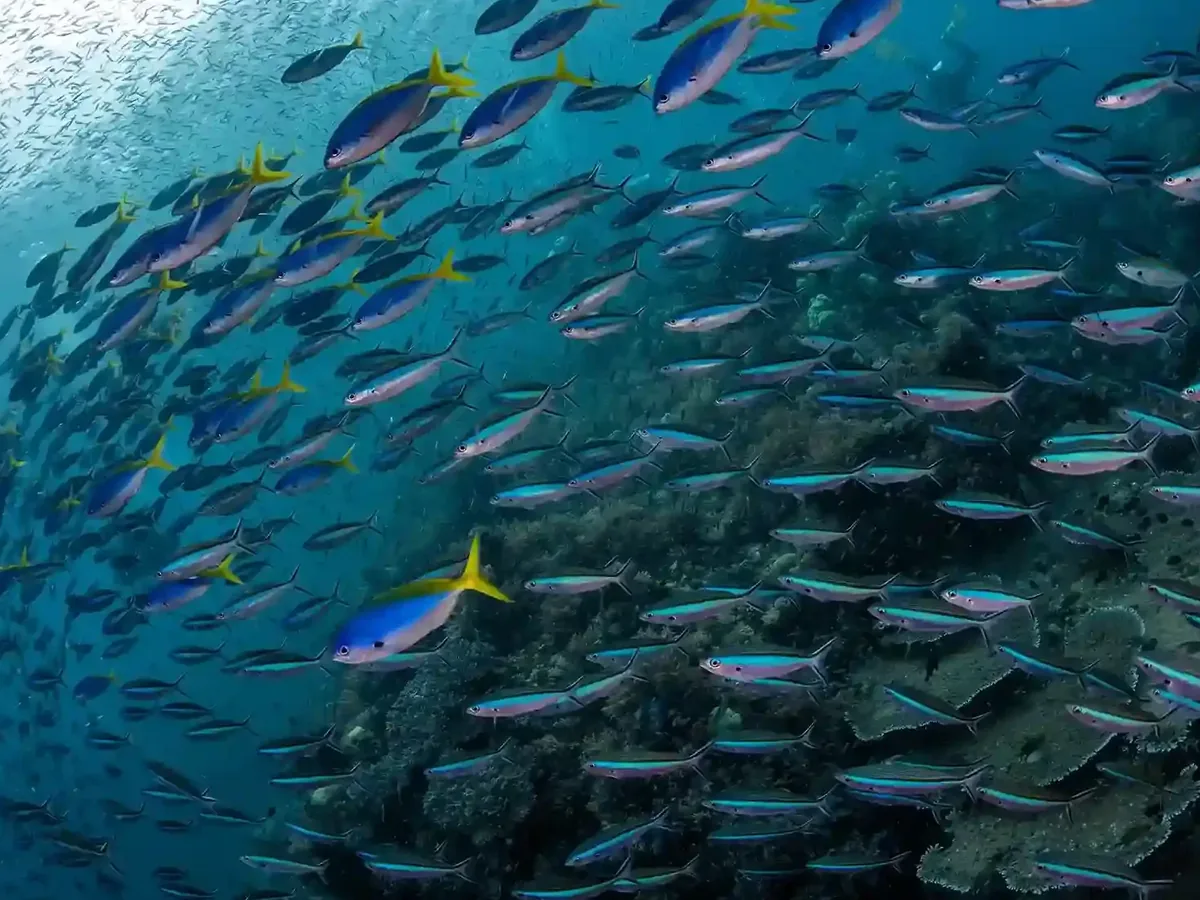
Alor–Pantar Strait Hyperbaric and Evacuation Logistics: A 2027 Safety Outlook
The nearest recompression chamber to the Alor–Pantar Strait sits in Bali, hundreds of kilometres and a multi-leg journey west, so…
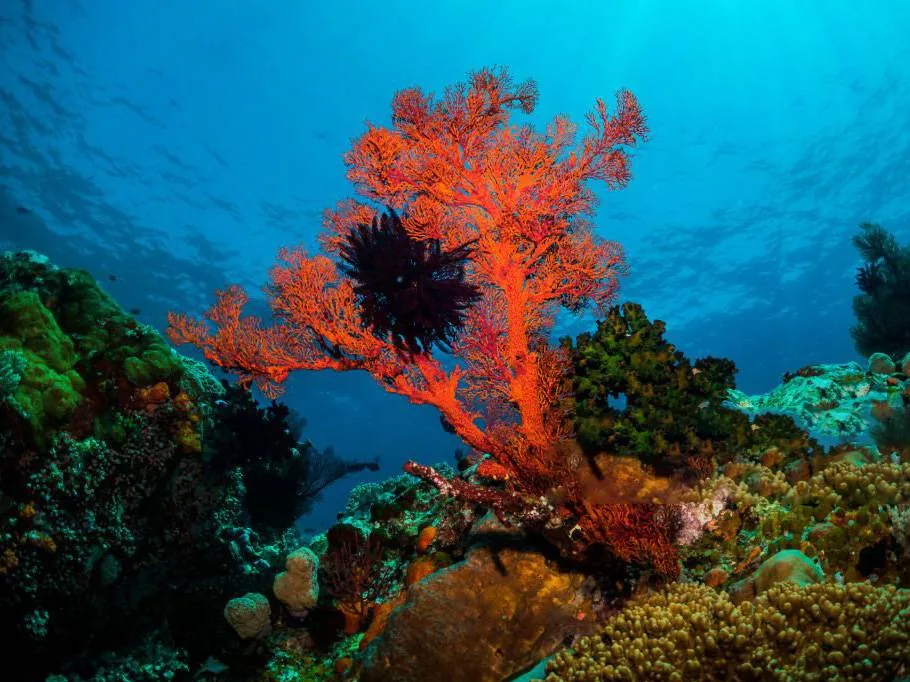
Alor to Komodo Frontier Liveaboard Expeditions: A 2027 Route Outlook
An Alor-to-Komodo frontier liveaboard expedition strings together two of Indonesia's wildest dive regions in one crossing — current-swept Pantar Strait…
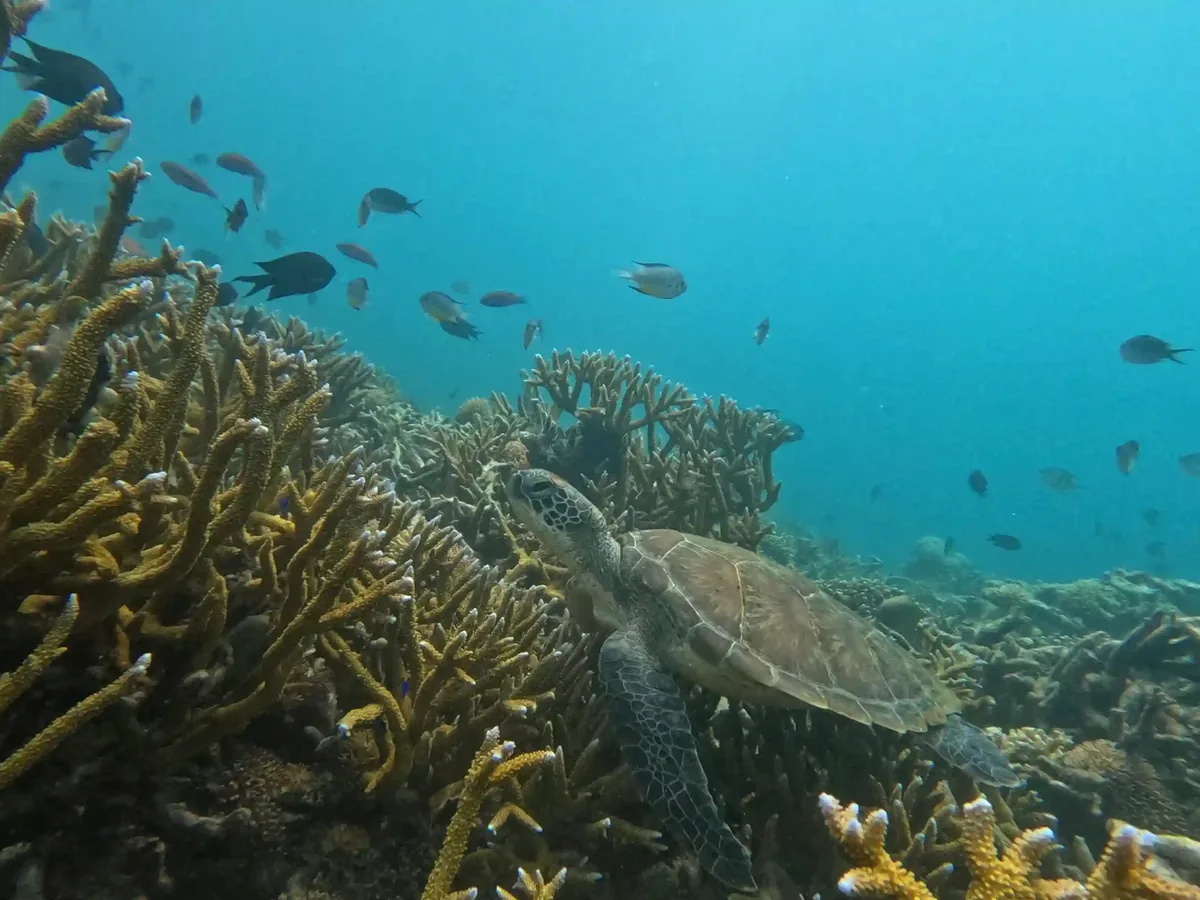
Community-Based Marine Conservation Projects in Alor: A 2027 Outlook
Community-based marine conservation in Alor centers on the Alor marine protected area (MPA) around Kalabahi Bay and the Pantar Strait,…
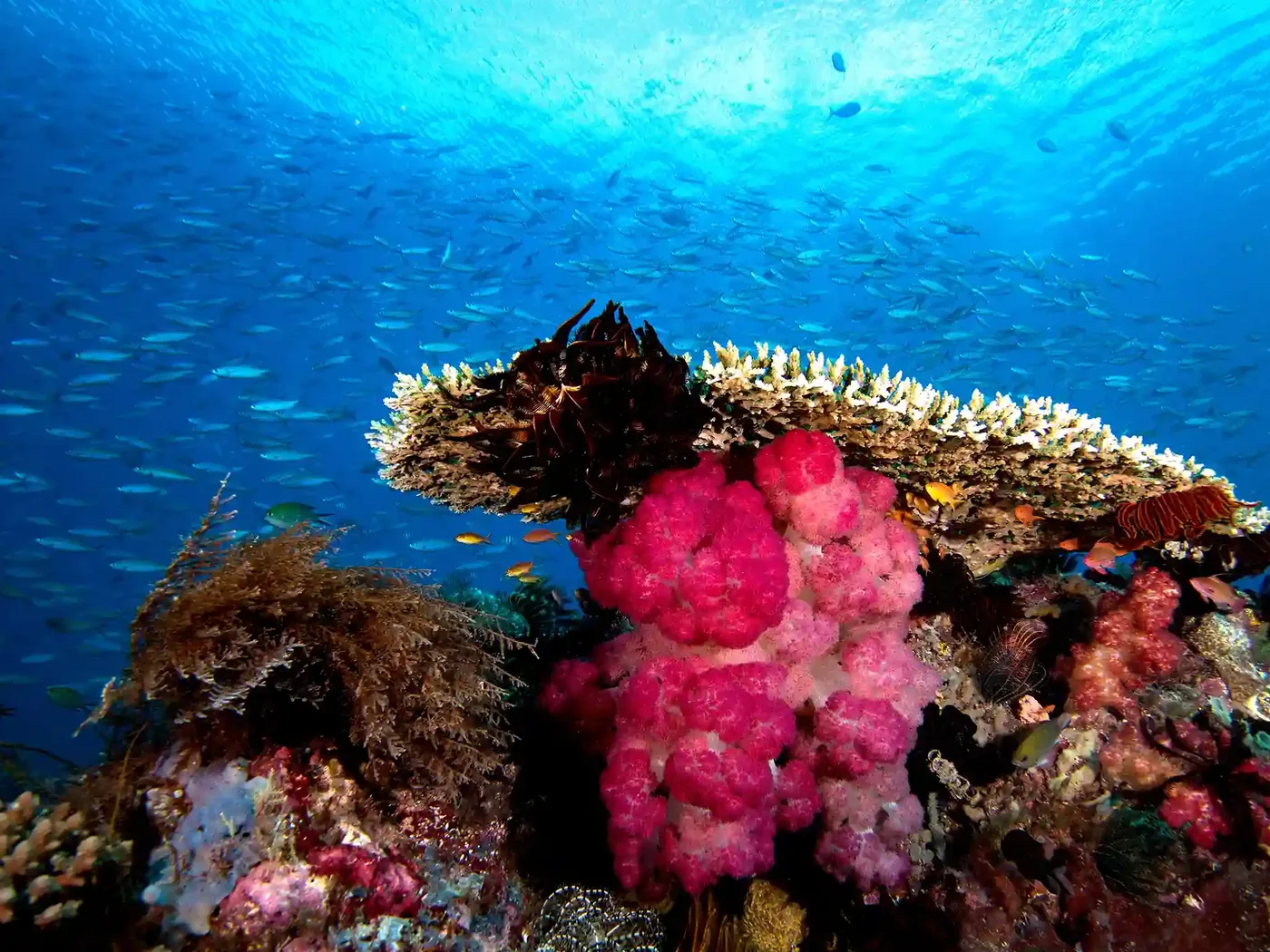
Alor and Forgotten Islands Combination Itineraries: A 2027 Crossing Guide for Photographers
A combination itinerary pairs Alor and Pantar's current-swept walls with the remote Forgotten Islands arc toward Banda — usually a…
Kupang Gateway Guide for Alor Divers: 2027 Group Logistics
Kupang — the East Nusa Tenggara provincial capital on Timor — is the practical mainland gateway for dive groups bound…