
Alor Pantar Strait Frontier Dive Expeditions: The 2027 Outlook
The Pantar Strait is Indonesia’s most credible “next frontier” for advanced current diving — a Coral Triangle channel of gorgonian walls, muck macro and seasonal pelagics, still capped by WWF carrying limits. As of 2026, permit rules, cooler-season currents and thin infrastructure point to a 2027 window before it breaks mainstream.
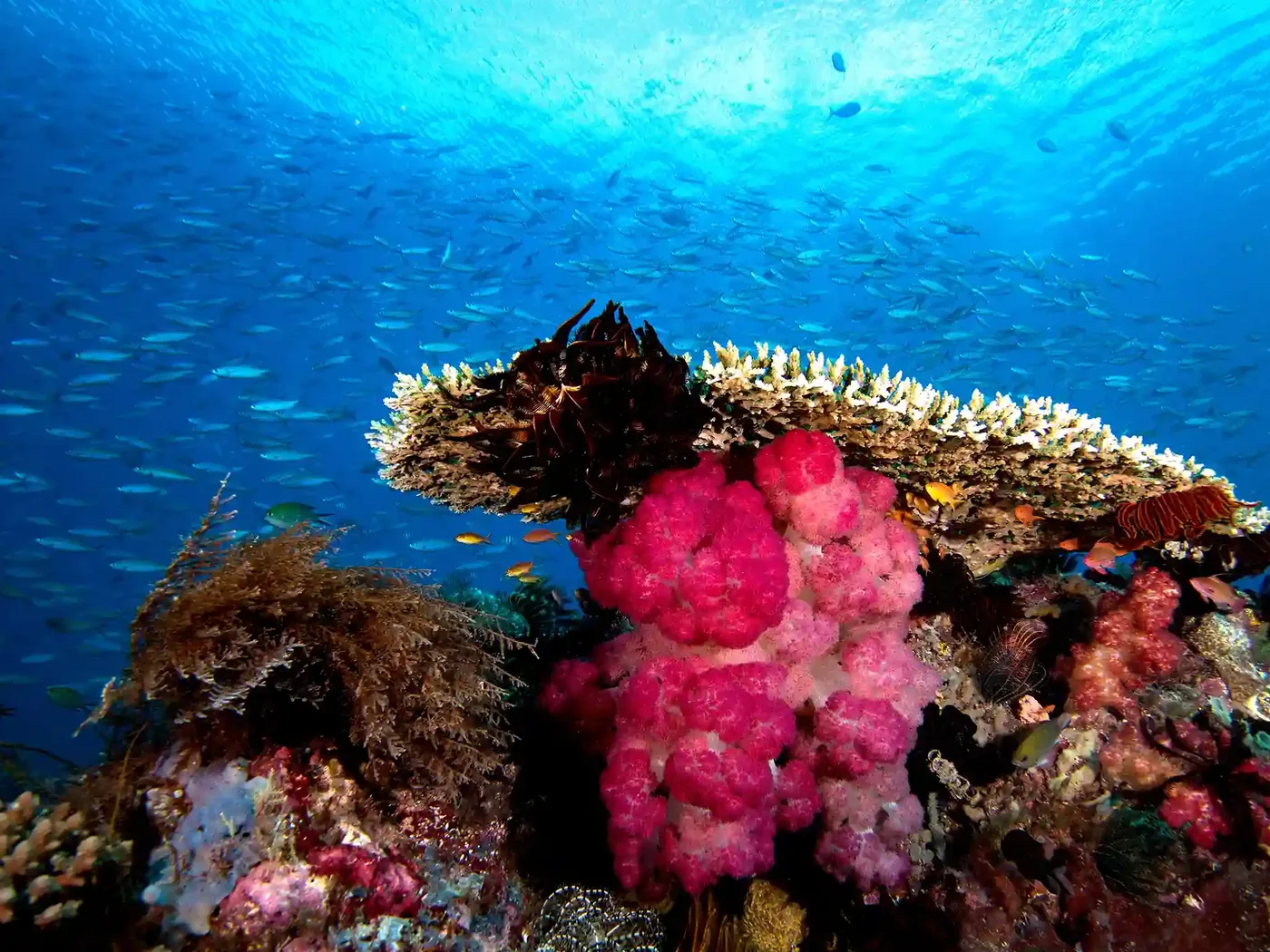
Alor and Pantar sit at the far eastern edge of the Lesser Sunda Islands in East Nusa Tenggara, deep inside the Coral Triangle — the richest belt of marine biodiversity on the planet. The narrow strait between the two islands funnels cold, nutrient-loaded water through a tight gap. That flow is the whole story: it builds the gorgonian walls, feeds the macro critters and draws in the big pelagics.
This piece is an outlook, not a prediction. No one can promise a destination breaks mainstream on a fixed date. What we can do is read dated 2026 signals honestly and show why 2027 looks like the hinge year for anyone tracking Alor-Pantar.
Why is Pantar Strait being called Indonesia’s next frontier?
For a decade, Alor lived in the shadow of Komodo and Raja Ampat. That shadow is exactly the opening. Divers who have already logged the headline sites want somewhere that still feels unscripted, and the strait delivers it without cruise-ship density.
Alor’s waters are run as a marine protected area (MPA), which shapes everything. By rule, every diver, snorkeller and marine tourist must attend a mandatory briefing by MPA officers, pay a marine park fee and hold a permit before any in-water activity. Diver numbers per site are capped according to WWF-determined carrying capacity. Fishing and spearfishing are off-limits to visitors, reserved for local fishermen. Protected species include coral reefs, turtles, marine mammals, thresher sharks, mangroves, seagrasses and pelagic fish.
If you are weighing a first trip, our [Pantar Strait diving expeditions](/pantar-strait-diving-expedition-packages/) lay out how the permits, briefings and boat logistics actually work on the ground.
What 2026 signals actually point to a 2027 window?
The case for 2027 is not hype — it rests on supply staying deliberately constrained while interest climbs. Here is how the dated signals read.
| Dated 2026 signal | What it suggests for 2027 |
|---|---|
| MPA enforces briefings, permits, marine park fee and WWF carrying-capacity caps | Diver supply is capped by design, so early exact-match authority matters more than volume |
| Guides need special MPA certification on top of standard agency certs | The qualified guide pool grows slowly; capacity cannot spike overnight |
| Infrastructure still thin — one longstanding 16-diver land resort on Pantar; mainstream liveaboards run only seasonal windows | Beds and berths stay scarce, keeping the destination boutique |
| Rising “last untouched gem” search interest around Alor | Demand is warming faster than physical capacity can respond |
Read together, these say the frontier stays small and hard to reach a while longer — which is precisely why it holds its “frontier” status into 2027 rather than being flooded.
What makes the diving itself advanced?
Alor is honestly not a beginner destination. The Pantar Strait carries strong surface currents that demand a rapid descent, quick equalising and a regroup around 5 metres before the reef takes over. Most dives run 15-25 metres. One documented scalloped-hammerhead site drops to roughly 32 metres in very strong current and needs genuine fitness.
| Metric | Alor-Pantar reality (as of 2026) |
|---|---|
| Typical dive depth | 15-25 m |
| Deepest documented hammerhead site | ~32 m, very strong current |
| Water temperature | ~25°C Mar-Apr & Oct-Nov; 31-32°C May-Sep; thermoclines to 20°C or lower |
| Visibility | 25-30 m normal; down to 15 m in May-Sep plankton blooms; up to ~40 m Jun-Oct |
| Minimum certification | PADI Open Water; 50-100 logged dives recommended for comfort |
| Safety rules | no-decompression only; no solo diving; bottom time to 60 min or 50 bar |
DAN (or equivalent) dive-accident insurance is mandatory here, not optional. The nearest hyperbaric chamber is in Bali, and evacuation plus chamber costs are not covered by standard medical insurance.
When does the frontier season actually peak?
Conditions are best from April to November, with October-November bringing the most prevalent currents — the same currents that make the wide-angle sites electric. The rainy season, roughly November to March, brings unsettled surface, rain and reduced visibility.
- September: the single best month to spot mola mola in the strait.
- June-October (dry season): visibility can reach up to about 40 metres.
- May-September: plankton blooms can drop visibility to 15 metres or less, but that same plankton feeds the food chain.
- September-October: the window when mainstream liveaboards such as a Seven Seas Alor Sea itinerary run seasonal trips, boarding at Kalabahi Bay and diving sites like Pasir Merah, the volcanic red-sand slopes with gas vents north of Pura Island.
Two very different experiences sit side by side. Kalabahi Bay is a volcanic black-sand muck-diving hotspot for macro shooters — Pegasus sea moths, mimic octopus, seahorses, nudibranchs and frogfish. Because these critters don’t travel far, muck diving stays productive year-round. Out in the strait, the game turns wide-angle: schooling fish, mola mola, dolphins, pilot whales and the occasional orca. Blue-whale and hammerhead encounters are genuinely possible but never predictable, so we frame them as a bonus, not a booking promise.
What could slow Alor-Pantar down before it breaks mainstream?
The same things that make it special also cap it. WWF carrying limits, mandatory permits and a small pool of MPA-certified guides all throttle growth on purpose. A single longstanding land resort on Pantar caters to just 16 divers in traditional-style bungalows, runs small low-emission boats drawing on its own underground water reserve, and reaches 40-plus dive sites within 30-45 minutes — excellent, but not scalable to crowds. Liveaboards only pass through in season.
For the traveller, that is the point. The window to dive Alor before it feels discovered is open now and, on the 2026 evidence, likely holds through 2027. Any prices you see on this site are Currentline’s own indicative figures as of 2026, subject to change — there is no public, citable price table for Alor packages, liveaboards or the marine park fee, only the certainty that a fee and permit are required.
Frequently Asked Questions
Is Alor-Pantar suitable for a diver’s first advanced-current trip?
It can be, with honest preparation. Operators accept PADI Open Water as a minimum for fun diving, but 50-100 logged dives are recommended for comfort in the Pantar Strait’s strong currents. Every dive is no-decompression, solo diving is banned, and DAN insurance is mandatory because the nearest hyperbaric chamber is in Bali.
How far ahead should I plan a 2027 Alor-Pantar expedition?
Plan early. Bed and berth capacity is deliberately small — one Pantar land resort takes just 16 divers, and mainstream liveaboards only run seasonal September-October windows. Add mandatory MPA permits, briefings and marine park fees, plus WWF carrying-capacity caps per site, and prime dates fill long before travel, especially the pelagic-heavy October window.
Will I definitely see blue whales or hammerheads in the strait?
No, and be wary of anyone who guarantees it. These are wild, seasonal encounters we frame as possible, not predictable. September is the strongest month for mola mola, and October-November brings the heaviest currents pelagics favour, but nothing is scheduled. Muck macro in Kalabahi Bay, by contrast, stays reliable year-round.
More from the journal
Keep reading
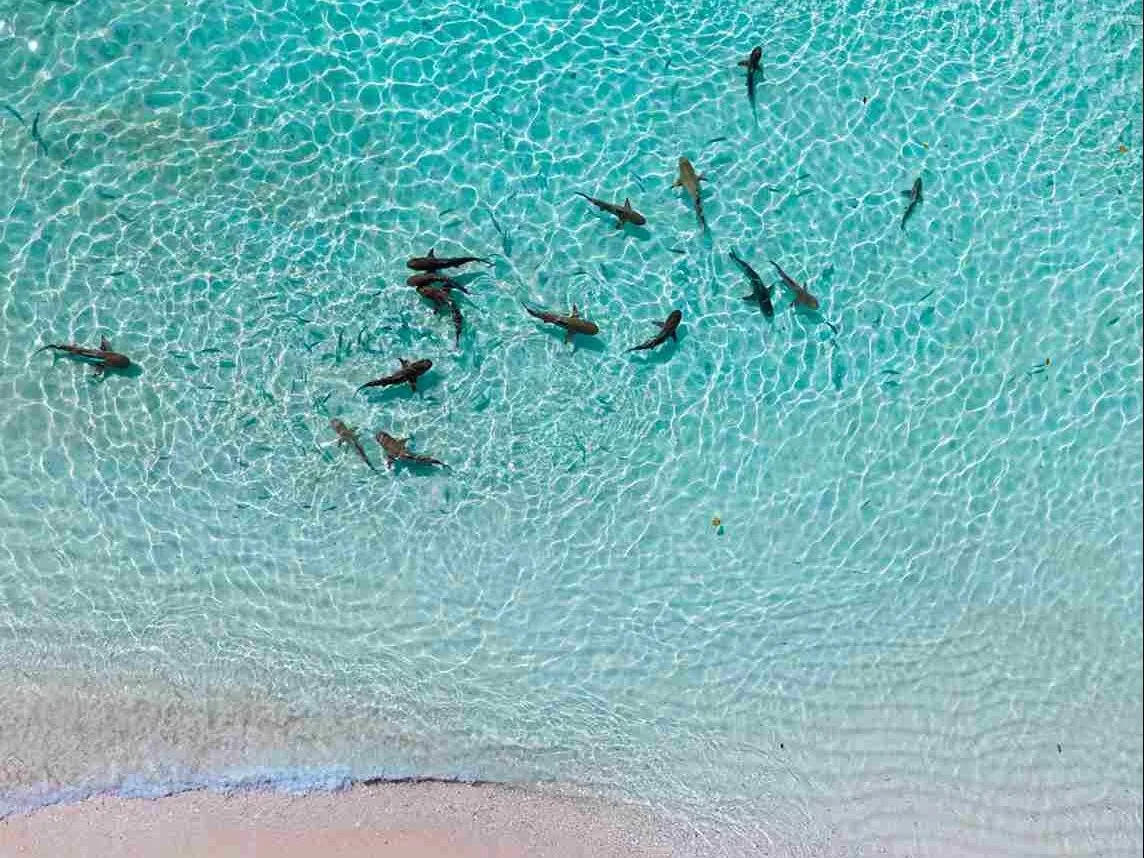
Alor vs Komodo Liveaboard Costs: A 2026 Diver’s Breakdown
Alor liveaboards usually cost more per dive than Komodo ones for structural reasons: long crossings, heavy fuel burn and thin…
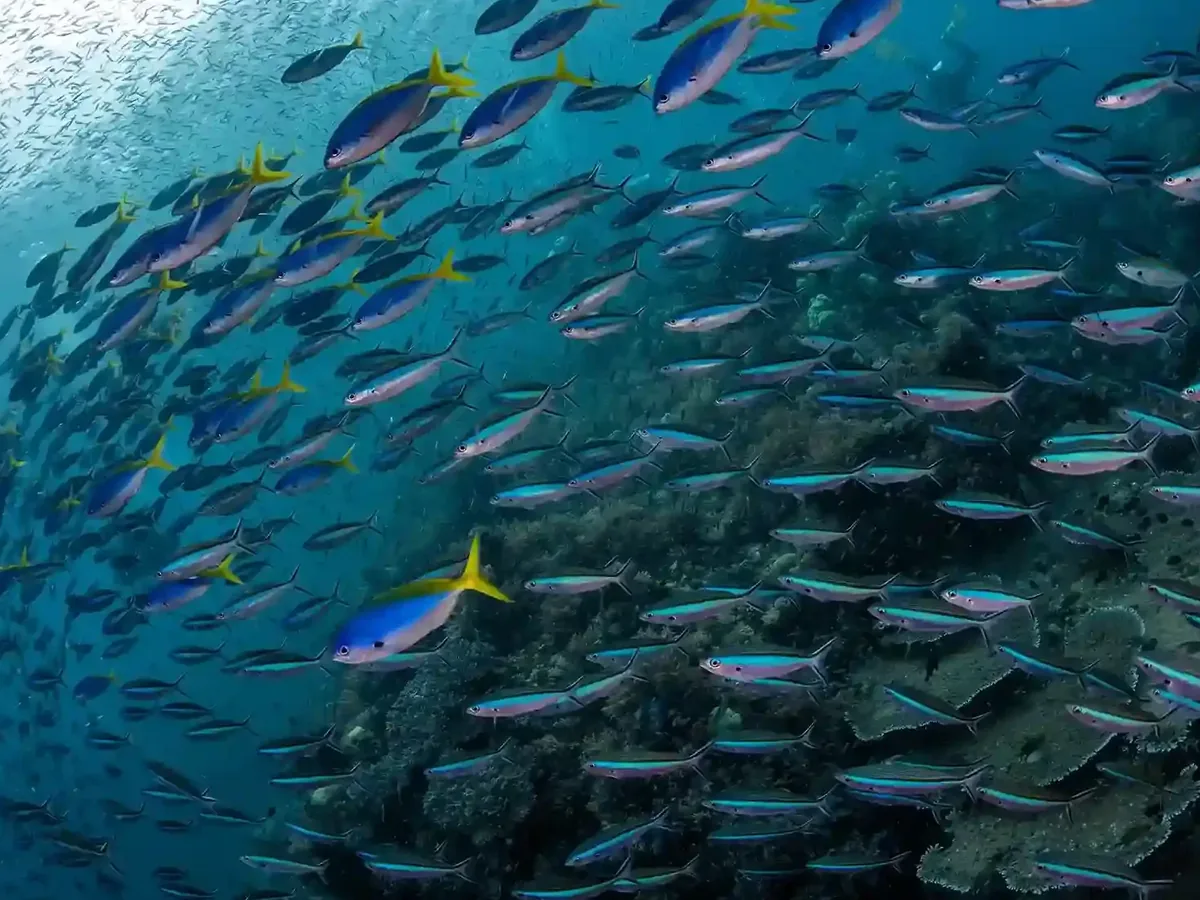
Alor–Pantar Strait Hyperbaric and Evacuation Logistics: A 2027 Safety Outlook
The nearest recompression chamber to the Alor–Pantar Strait sits in Bali, hundreds of kilometres and a multi-leg journey west, so…
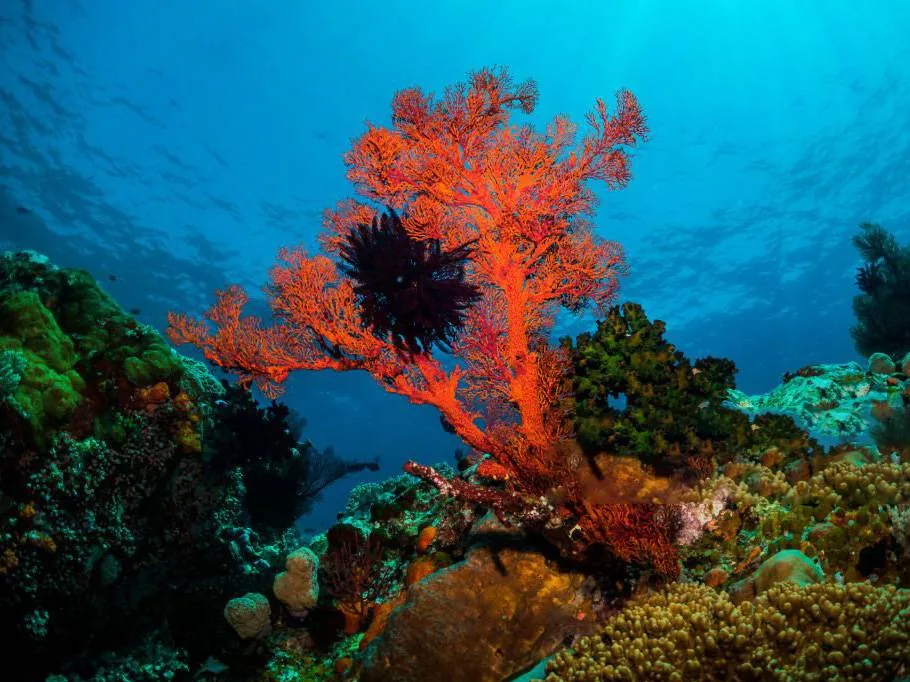
Alor to Komodo Frontier Liveaboard Expeditions: A 2027 Route Outlook
An Alor-to-Komodo frontier liveaboard expedition strings together two of Indonesia's wildest dive regions in one crossing — current-swept Pantar Strait…
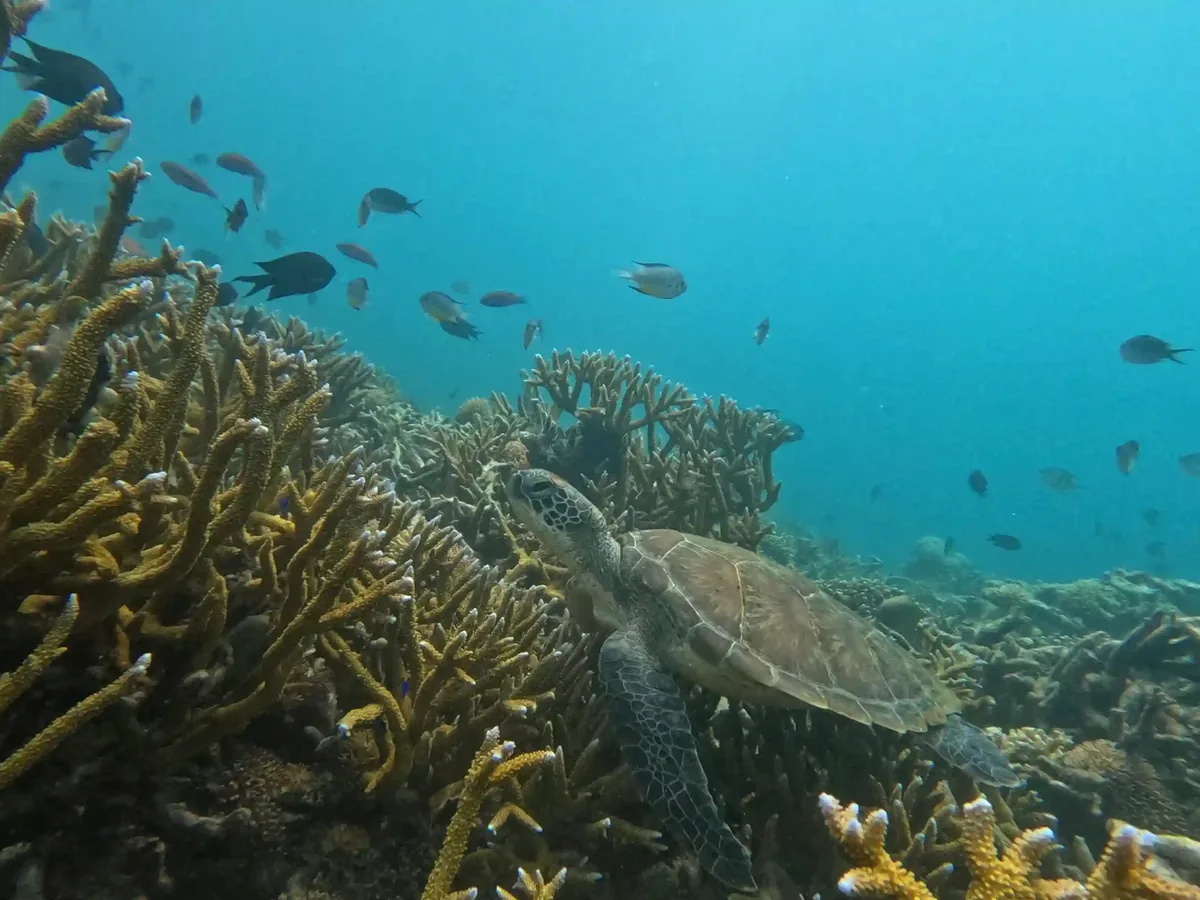
Community-Based Marine Conservation Projects in Alor: A 2027 Outlook
Community-based marine conservation in Alor centers on the Alor marine protected area (MPA) around Kalabahi Bay and the Pantar Strait,…
Alor and Forgotten Islands Combination Itineraries: A 2027 Crossing Guide for Photographers
A combination itinerary pairs Alor and Pantar's current-swept walls with the remote Forgotten Islands arc toward Banda — usually a…
Kupang Gateway Guide for Alor Divers: 2027 Group Logistics
Kupang — the East Nusa Tenggara provincial capital on Timor — is the practical mainland gateway for dive groups bound…