
Seasonal Wildlife in Alor: Blue Whales, Hammerheads and When to Dive
Alor’s wildlife runs on a calendar you can plan around: macro critters in Kalabahi Bay stay reliable all year, mola mola sightings peak around September, and the dry-season currents from April to November push in schooling fish and big pelagics. Blue whales and hammerheads are real possibilities in these waters — never guarantees. Alor rewards patience over promises.
The Alor and Pantar islands sit in the eastern Lesser Sunda chain of East Nusa Tenggara, deep inside the Coral Triangle — one of the most biodiverse marine regions on Earth. That location is why a single week here can swing from black-sand muck dives crawling with tiny oddities to wide-open blue water where a mola mola drifts past. Reading the seasonal rhythm is the difference between a good trip and a frustrating one.
What wildlife can you realistically expect in Alor?
Alor splits neatly into two diving worlds, and each has its own wildlife logic. Kalabahi Bay, on the Alor side, is a volcanic black-sand muck-diving hotspot — the domain of macro shooters hunting Pegasus sea moths, mimic octopus, seahorses, nudibranchs and frogfish. Because these critters barely travel, muck diving stays productive across every month of the year.
The Pantar Strait is the opposite: fast water, wide-angle scenery, and the chance of something large. Here you find schooling fish, mola mola, dolphins, pilot whales and — occasionally — orcas. This is also the corridor where blue whale and hammerhead encounters happen, when they happen at all.
Alor is not a beginner destination. Typical dives run 15–25 metres, the currents are strong, and operators generally recommend 50–100 logged dives before you come. One documented scalloped-hammerhead site drops to roughly 32 metres in very strong current, which demands genuine fitness.
When are blue whales and hammerheads possible in Alor?
Here is the honest version: nobody can hand you a guaranteed date. Blue whales and hammerheads move on their own schedule, and any operator who promises a sighting is selling you fiction. What we can say is that the dry-season window, April through November, gives you the strongest currents and clearest water — the conditions that make big-animal encounters more likely. If a blue-whale sighting is the reason for your trip, plan a longer stay, keep expectations grounded, and treat any encounter as a gift rather than an itinerary item. Our dedicated guide to Alor blue whale diving expeditions walks through how to stack the odds sensibly without overpromising.
Currents matter more than the calendar for pelagics. October and November bring the most prevalent currents of the year, and moving water is what draws schooling fish, mola mola and the predators that follow them. The scalloped-hammerhead site mentioned earlier only fishes well when the current is running hard — calm days there are quiet days.
What does the seasonal wildlife calendar look like?
The table below maps the general rhythm. Treat the pelagic rows as probabilities, not schedules.
| Window | Conditions | What comes into focus |
|---|---|---|
| April–May | Currents building, water warming | Wide-angle sites wake up; muck stays strong |
| June–September | Dry season, best visibility | Schooling fish, mola mola (peak around September) |
| October–November | Strongest currents of the year | Peak pelagic action, hammerhead-site chances |
| December–March | Rainy season, unsettled surface | Muck diving carries the trip; fewer big-animal days |
September deserves a special mention: it is widely considered the best month to spot mola mola, the giant ocean sunfish that rises from cooler depths. The mainstream liveaboards reflect this timing — a Seven Seas Alor Sea itinerary, for example, runs its seasonal trips through the September–October window, boarding at Kalabahi Bay and diving sites like Pasir Merah, a volcanic red-sand slope with gas vents north of Pura Island.
How do temperature and visibility shape each season?
Water conditions swing more than first-time visitors expect, and they directly affect what you see and how comfortable you are seeing it.
| Factor | Dry season (roughly Apr–Nov) | Rainy season (roughly Nov–Mar) |
|---|---|---|
| Water temperature | ~25°C in Mar–Apr and Oct–Nov; 31–32°C May–Sep | Cooler, unsettled |
| Thermoclines | Can drop some sites to 20°C or lower | Similar cold pockets |
| Visibility | Up to ~40 m Jun–Oct; 15 m or less in May–Sep plankton blooms | Reduced by rain and runoff |
| Surface | Generally workable | Unsettled, rougher |
Two counter-intuitive points are worth flagging. First, the warmest months — May to September, the southeast monsoon — can also bring plankton blooms that cut visibility to 15 metres or less; the same plankton that feeds the food chain clouds the water. Second, thermoclines can drop individual sites to 20°C or colder even when the surface is tropical, so a thicker wetsuit earns its keep. Bring layers.
What can you count on year-round?
Plenty, and this is Alor’s quiet strength. The macro life in Kalabahi Bay does not migrate, so the mimic octopus, frogfish and seahorses are there in March as much as September. If your trip lands in the rainy season, the muck sites become the backbone of your week rather than a consolation prize.
- Black-sand muck diving: reliable in every month
- Reef and wall diving: strong across the dry season, workable beyond it
- Turtles, reef fish and healthy coral: present year-round as protected species
- Big pelagics: seasonal and never guaranteed — the honest caveat that applies all year
Why do Alor’s marine park rules matter for wildlife?
Alor’s waters are managed as a marine protected area, and the rules exist precisely because the wildlife is worth protecting. Every diver, snorkeller and marine tourist must attend a mandatory briefing by MPA officers, pay a marine park fee, and hold a permit before entering the water. Dive guides need special certification to lead groups inside the MPA on top of their standard agency credentials, and diver numbers per site are capped according to WWF-determined carrying capacity.
Fishing and spearfishing are off-limits to visitors — reserved for local fishermen — and the protected roster includes coral reefs, turtles, marine mammals, thresher sharks, mangroves, seagrasses and pelagic fish. Those protections are a large part of why the megafauna still passes through.
One safety rule is non-negotiable: DAN or equivalent dive-accident insurance is mandatory, because the nearest hyperbaric chamber is in Bali, and evacuation plus chamber costs are not covered by standard medical policies.
Frequently Asked Questions
Is September really the best month to see mola mola in Alor?
September is widely regarded as the strongest month for mola mola in Alor, when the giant ocean sunfish rise from cooler water. It overlaps the September–October liveaboard window, so trips are easy to arrange then. Sightings still depend on conditions and luck — September improves your odds, it does not guarantee an encounter.
Can I dive Alor in the rainy season and still see wildlife?
Yes. From roughly November to March the surface is unsettled and visibility drops, but Kalabahi Bay’s black-sand muck sites stay productive because the macro critters don’t migrate. You’ll reliably find frogfish, seahorses, nudibranchs and mimic octopus. Big pelagics are less likely in these months, so lean your expectations toward macro rather than schooling fish.
Are hammerhead sightings in Alor predictable enough to plan a trip around?
No. One documented scalloped-hammerhead site reaches around 32 metres in very strong current, and it only performs when currents run hard — typically October and November. Even then, sightings are possible, not predictable. Plan the trip around Alor’s overall diving and treat a hammerhead encounter as a bonus rather than a booked-in certainty.
More from the journal
Keep reading
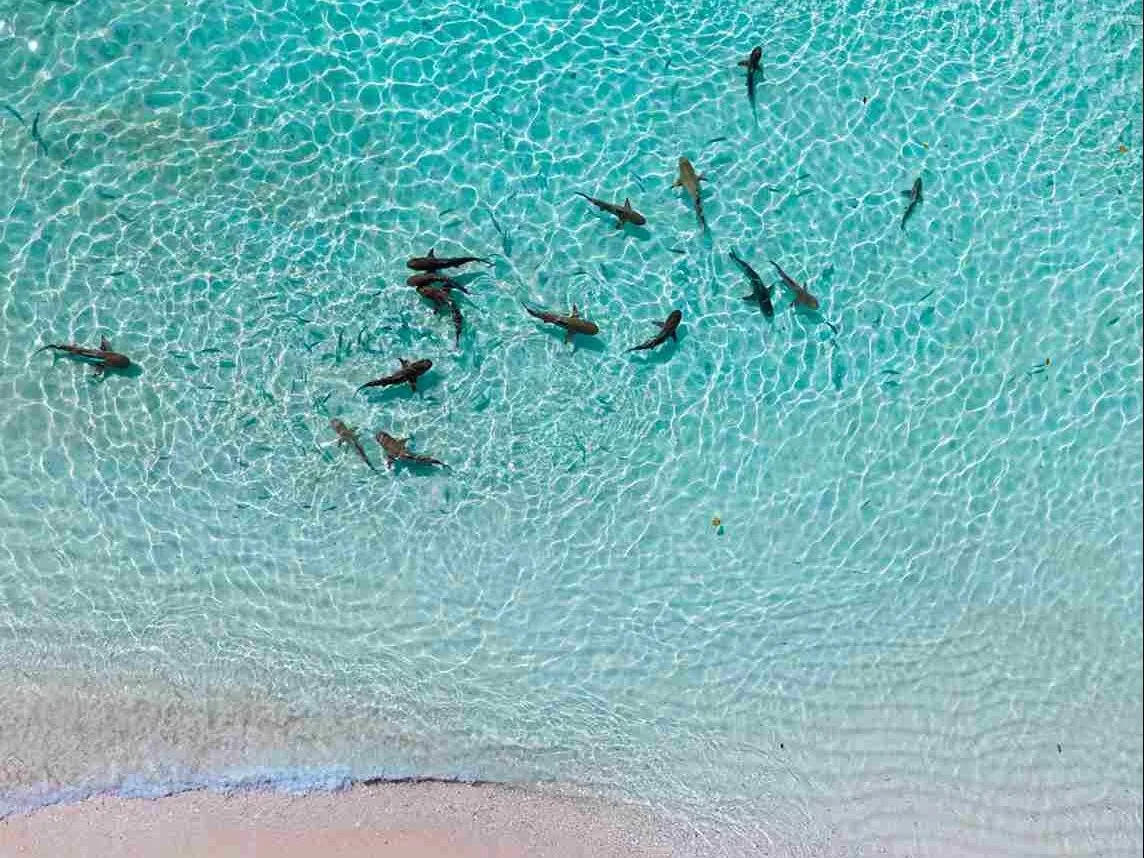
Alor vs Komodo Liveaboard Costs: A 2026 Diver’s Breakdown
Alor liveaboards usually cost more per dive than Komodo ones for structural reasons: long crossings, heavy fuel burn and thin…
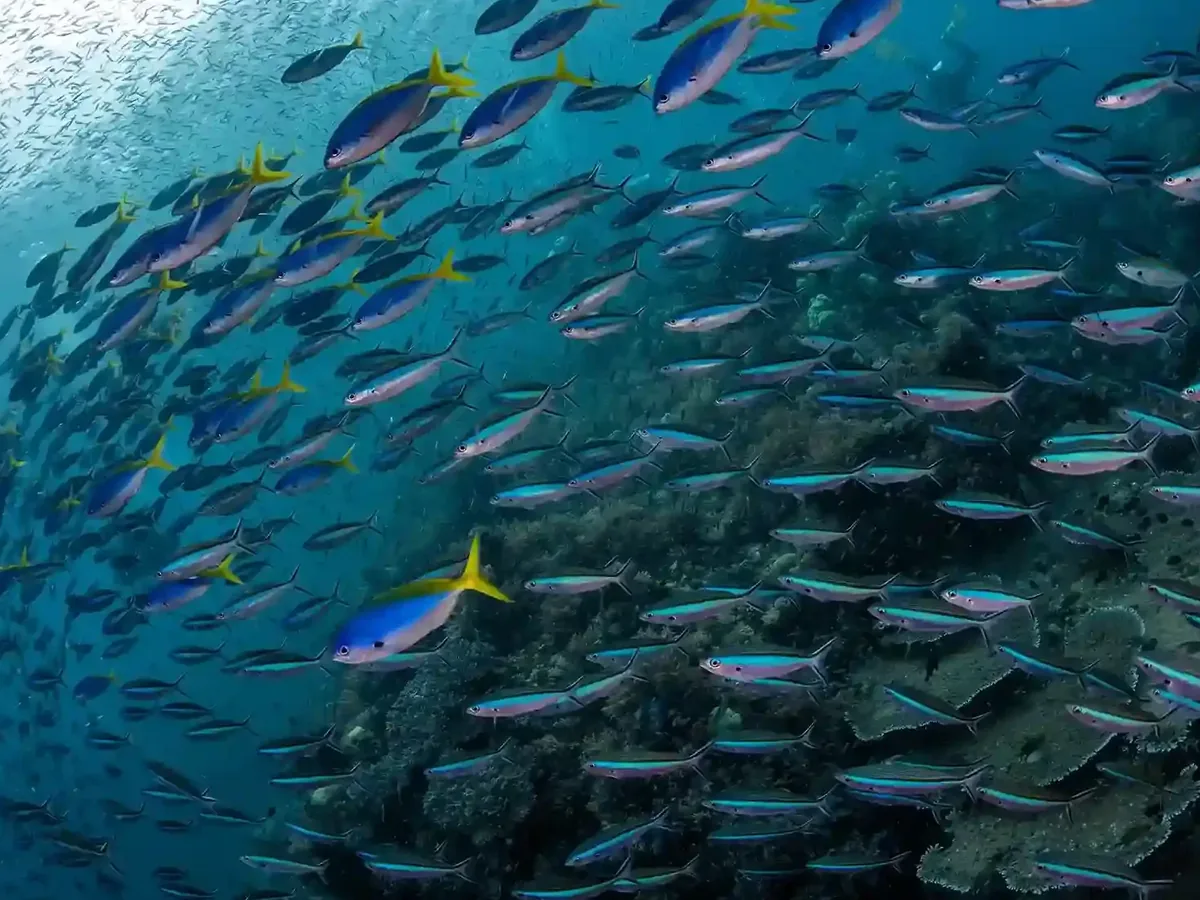
Alor–Pantar Strait Hyperbaric and Evacuation Logistics: A 2027 Safety Outlook
The nearest recompression chamber to the Alor–Pantar Strait sits in Bali, hundreds of kilometres and a multi-leg journey west, so…
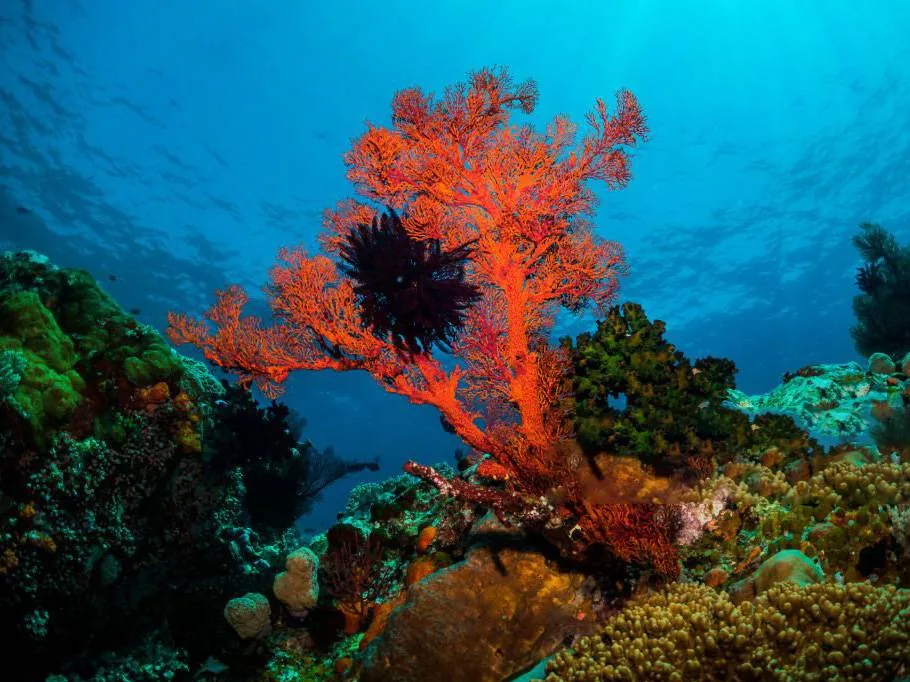
Alor to Komodo Frontier Liveaboard Expeditions: A 2027 Route Outlook
An Alor-to-Komodo frontier liveaboard expedition strings together two of Indonesia's wildest dive regions in one crossing — current-swept Pantar Strait…
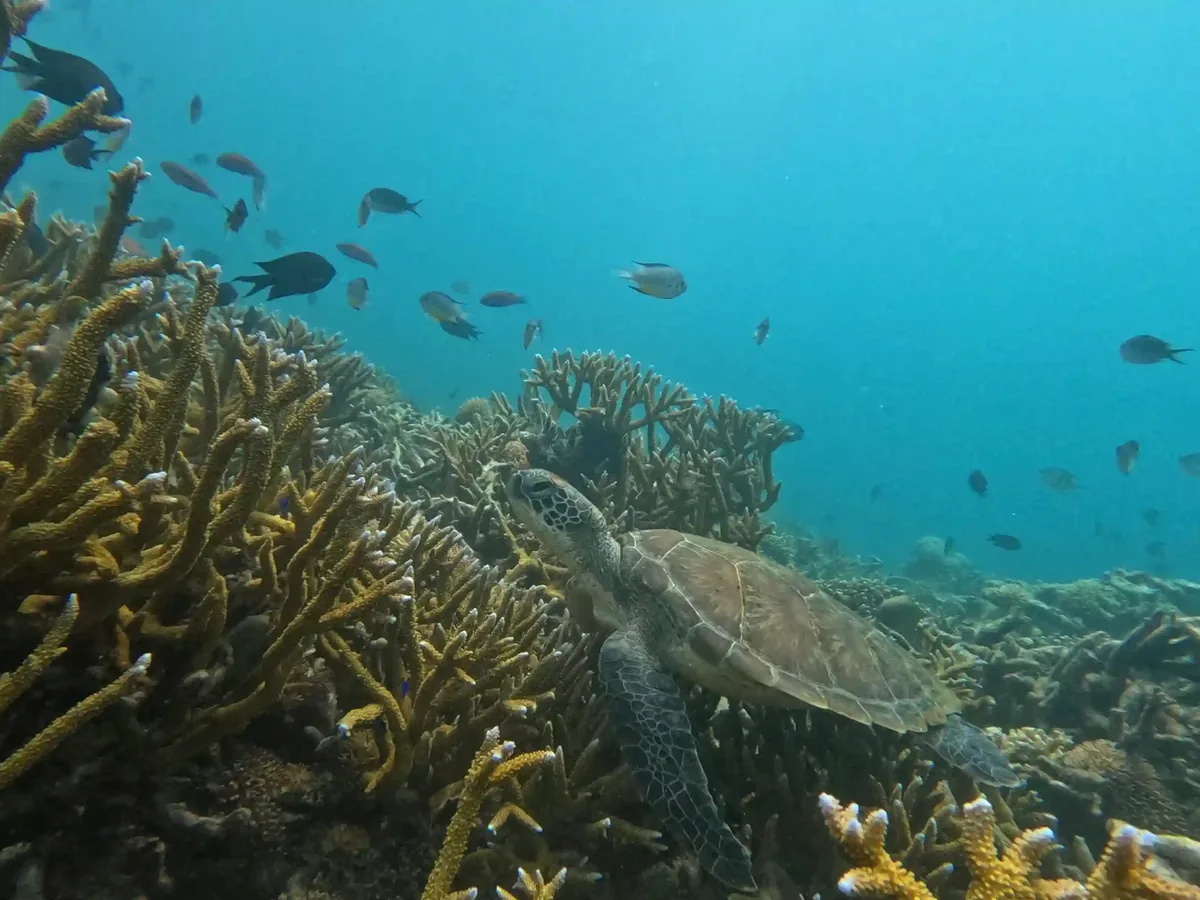
Community-Based Marine Conservation Projects in Alor: A 2027 Outlook
Community-based marine conservation in Alor centers on the Alor marine protected area (MPA) around Kalabahi Bay and the Pantar Strait,…
Alor and Forgotten Islands Combination Itineraries: A 2027 Crossing Guide for Photographers
A combination itinerary pairs Alor and Pantar's current-swept walls with the remote Forgotten Islands arc toward Banda — usually a…
Kupang Gateway Guide for Alor Divers: 2027 Group Logistics
Kupang — the East Nusa Tenggara provincial capital on Timor — is the practical mainland gateway for dive groups bound…