Alor Muck Diving Expedition Packages | Currentline

**Alor muck diving expedition packages center on Kalabahi Bay’s volcanic black-sand slopes, where macro rarely disappears — the critters here don’t migrate far, so frogfish, mimic octopus and Pegasus sea moths stay findable year-round. Currentline Alor, operated by Bali Premium Trip, arranges these trips through licensed Alor dive operators as an independent concierge.**

Why is Kalabahi Bay the heart of Alor muck diving?

Kalabahi Bay is a deep volcanic inlet on Alor’s north coast, and its black-sand and rubble slopes are the reason macro shooters fly all the way to East Nusa Tenggara. Out in the Pantar Strait, strong surface currents demand a fast descent and a regroup around 5 metres. Inside the bay, the muck sites sit sheltered and shallow — usually the 5–25 metre range that rewards slow, deliberate critter hunting rather than fitness.

The whole area sits inside the Coral Triangle and is managed as a marine protected area. By MPA rule, every diver attends a briefing by park officers, pays a marine park fee and carries a permit before entering the water. Guides working inside the Alor MPA hold a special certification on top of their standard agency cards, and diver numbers per site are capped to a WWF-determined carrying capacity. Small groups on black sand are the norm here, not an upsell.

Which critters will you actually shoot in the black sand?

Because muck species stay close to home, Kalabahi Bay holds its subjects across the calendar. That year-round stability is the single biggest reason to build a package around the bay rather than chase a migration window.

Critter Where in the bay Why muck shooters want it
Pegasus sea moth Open black-sand flats Rarely-photographed “sea robin”; sits still for slow approaches
Mimic octopus Silty rubble edges Shape-shifting behaviour; a bucket-list wide-angle-of-macro subject
Frogfish (hairy, painted) Sponge and debris patches Ambush predators that reward patient framing
Seahorses (thorny, common) Weed and rope lines Reliable macro anchor when currents outside are up
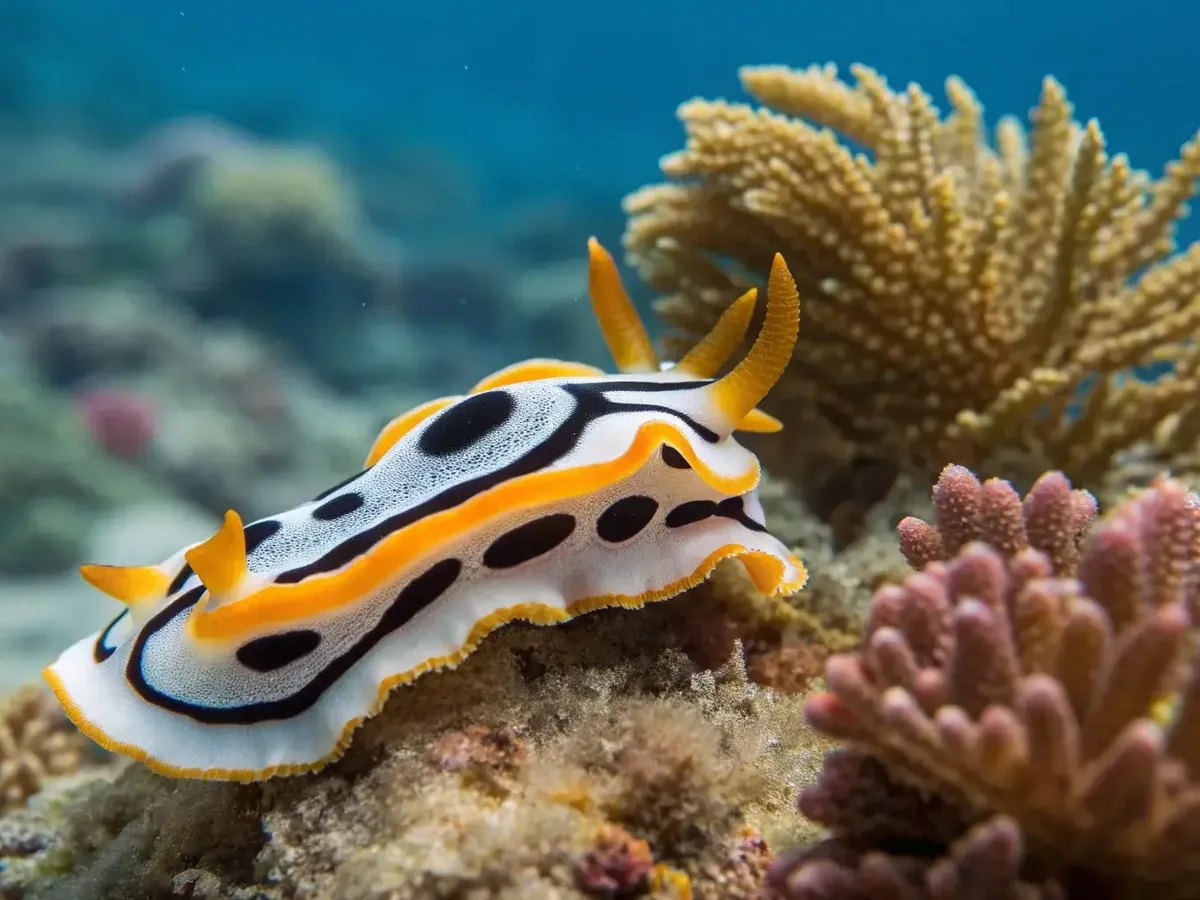
Nudibranchs Across every slope Constant colour and species turnover between dives
Mimicking cephalopods & pipefish Shallow rubble Often reported on night and dusk descents

Blue-whale and hammerhead sightings belong to the Pantar Strait, not the muck — treat those as possible bonuses on a wide-angle day, never as a promise built into a critter trip.

What do Alor muck diving expedition packages cost in 2026?

Straight answer: no published, citable price list exists for Alor dive packages or the marine park fee — only the requirement that a fee and permit apply. The rates below are Currentline Alor’s own indicative commercial figures as of 2026, land-based on or near Pantar, per diver, and subject to change. They are not sourced facts, and no outcome is guaranteed.

Package Length Dives Indicative 2026 rate (per diver) Suits
Muck Sampler 3D / 2N 6 boat + 1 night from IDR 6,900,000 (~USD 430) First trip to Alor muck
Kalabahi Critter Week 5D / 4N 12 boat + 2 night from IDR 13,500,000 (~USD 840) Dedicated macro shooters
Black-Sand & Bonfire 7D / 6N 16 boat + 3 night/bonfire from IDR 19,800,000 (~USD 1,230) Photographers wanting repeat access

A reference land-based resort on Pantar caters to 16 divers in traditional-style bungalows, runs small, quiet low-emission boats, and reaches 40-plus dive sites within 30–45 minutes — so muck mornings and afternoon wide-angle can share the same day without long transfers.

What is included, and what should you budget on top?

Package rates typically cover:

  • Twin-share accommodation and daily meals
  • Guided boat dives with tanks and weights, in small groups
  • Airport transfers within Alor and daily boat transfers to sites

Budget separately for these — they are not discretionary:

  • Marine park fee and MPA permit (mandatory before any dive)
  • DAN or equivalent dive-accident insurance — required, because the nearest hyperbaric chamber is in Bali and evacuation or chamber costs are not covered by standard medical insurance
  • Flights to Alor (usually via Kupang), full dive-gear rental, and nitrox where offered

When should you come for muck diving in Alor?

Muck is the exception to Alor’s season rules. Because the critters do not move far, Kalabahi Bay dives well all year — even through the November–March rainy months that unsettle the surface out in the strait.

What does shift is comfort. Water sits near 25°C in March–April and October–November, warming to 31–32°C during the May–September southeast monsoon, with thermoclines dropping some sites toward 20°C. Visibility normally runs 25–30 metres but can fall to 15 metres or less during May–September plankton blooms — often a gift for muck, since blooms feed the food chain the critters depend on. If you also want a wide-angle day in the strait, the April–November window brings the cleaner water, with September the standout month for mola mola.

How does booking an Alor muck package work?

  1. Message the concierge with your dates, certification level and logged-dive count. Minimum PADI Open Water is accepted for fun diving, but 50–100 logged dives is the honest comfort threshold for Alor conditions.
  2. Get a matched quote. Currentline Alor pairs you with a licensed established Alor operator (for example Dive Alor Dive, Nautika Dive Alor or Alami Alor) — we curate and arrange, we do not run the boats ourselves.
  3. Confirm the slot with a deposit; the operator holds your bungalow, guide and boat spot within the site carrying caps.
  4. Prep the paperwork — arrange your DAN insurance and confirm the MPA briefing, fee and permit are scheduled before your first dive.
  5. Dive. All dives are no-decompression and solo diving is not allowed; typical bottom time runs to 60 minutes or when you hit 50 bar.

Ready to hold a muck-season slot in Kalabahi Bay?

Currentline Alor is an independent dive-travel concierge operated by Bali Premium Trip. We do not own boats or resorts — we arrange your trip through vetted, licensed Alor operators, then stay reachable for the details that make a muck week run smoothly.

Message the concierge on WhatsApp 6281128590000 or email sales@balipremiumtrip.com with your dates and dive count, and we will build an indicative Kalabahi Bay muck itinerary and quote for you. All figures are indicative as of 2026 and subject to change.

Frequently Asked Questions

Do I need to be an experienced diver for Alor muck diving?

The muck sites themselves are shallow and sheltered, and minimum PADI Open Water is accepted for fun diving. But Alor as a whole suits experienced divers, and operators recommend 50–100 logged dives for real comfort. If you plan to add strait sites, that experience matters more, since currents there demand fast descents.

Is muck diving in Alor really good all year round?

Yes. Kalabahi Bay’s macro subjects don’t migrate far, so frogfish, seahorses, mimic octopus and nudibranchs stay findable across the calendar — even in the November–March rainy season that unsettles the open strait. Visibility and water temperature shift month to month, but the critters largely stay put on the black sand.

What isn’t included in an Alor muck diving package price?

Indicative package rates exclude the mandatory marine park fee and MPA permit, DAN dive-accident insurance, flights to Alor, and full gear rental. DAN cover is non-negotiable: the nearest hyperbaric chamber is in Bali, and evacuation or chamber costs are not covered by ordinary medical insurance.

Can I do night and bonfire dives in Kalabahi Bay?

Yes — the longer packages build in night and bonfire dives, when the black sand comes alive with cephalopods, hunting frogfish and crustaceans. All dives stay within no-decompression limits, solo diving is not permitted, and your licensed operator sets the group size under the MPA’s per-site carrying caps.

WhatsApp the concierge
Scroll to Top