Alor Diving Safety and Experience Requirements: What Operators Really Expect
Alor diving demands real experience: operators accept PADI Open Water as the floor but recommend 50-100 logged dives before you tackle the Pantar Strait’s ripping currents. Every dive is no-decompression, solo diving is banned, you must stay with your guide, and DAN-style accident insurance is mandatory because the nearest hyperbaric chamber sits in Bali.
Alor and Pantar sit at the eastern edge of the Lesser Sunda Islands in East Nusa Tenggara, deep inside the Coral Triangle. The reefs are spectacular, but the conditions are unforgiving. This is not a place to log your first ocean dives. Below is what licensed Alor operators actually expect of you, and how Currentline Alor screens trips against it.
How much diving experience do you really need for Alor?
The paperwork answer and the practical answer differ. For fun diving, established Alor operators set a minimum of PADI Open Water or equivalent. The comfort answer, which almost every dive guide repeats, is 50-100 logged dives before you attempt the Pantar Strait.
Why the gap? Certification proves you can dive. Logged dives prove you can dive when a current is pulling you off a wall at speed. As of 2026, Alor’s marine-protected-area rules also enforce minimum experience levels per site, and guides must hold special certification to lead inside the MPA on top of their standard agency credentials.
If you sit below that band, you are not shut out. You just need the right format. Skill-matched, small-group trips such as our private Alor diving expeditions let a guide pace the week to your logbook rather than to the boat’s most confident diver.
What are the non-negotiable safety rules?
Representative operator rules across Alor-Pantar are consistent, and Currentline Alor arranges only through partners that hold to them. As of 2026, expect these to be enforced, not suggested:
- No-decompression only. Every dive stays within no-stop limits. No planned deco.
- No solo diving. You dive as a buddy pair inside a guided group, always.
- Stay behind the guide. In current, the guide reads the site; overtaking them is how divers get separated or swept.
- Bottom-time limit. Typical cap is 60 minutes, or a turn when any diver reaches 50 bar, whichever comes first.
- Mandatory accident insurance. DAN or equivalent dive cover is required before you splash.
- No fishing or spearfishing. Prohibited for visitors inside the MPA; reserved for local fishermen.
Why is DAN insurance mandatory, not optional?
Because geography is brutal here. The nearest hyperbaric chamber to Alor is in Bali, a serious evacuation, not a short transfer. Standard travel or medical insurance almost never covers chamber treatment or dive-specific evacuation, and those costs are steep.
DAN (Divers Alert Network) or an equivalent dive-accident policy closes that gap. Operators check for it, and a responsible concierge will too. As of 2026, treat proof of active dive cover as part of your booking documents, alongside your certification card and logbook.
What permits and MPA rules apply before you get in the water?
Alor’s waters are a managed marine protected area, and the entry process is formal. Before any marine activity, whether diving, snorkelling, or even marine sightseeing, every visitor must, as of 2026:
| Step | What it involves |
|---|---|
| MPA briefing | Mandatory briefing delivered by MPA officers before you dive. |
| Marine park fee | A fee is required; a permit and fee both apply. |
| Permit | Obtained before entering the water, non-negotiable. |
| Certified guide | Guides must hold special MPA certification beyond standard certs. |
| Carrying capacity | Diver numbers per site are capped by WWF-determined limits. |
These caps are why over-tourism hasn’t wrecked the reefs, and why booking through a licensed partner matters. Protected species here include coral reefs, turtles, marine mammals, thresher sharks, mangroves, seagrasses and pelagic fish.
How do Alor’s currents and conditions shape the safety brief?
The Pantar Strait runs strong surface currents that demand a specific drill: a rapid, controlled descent, quick equalising on the way down, and regrouping as a team around 5 metres before the dive proper begins. Fumble the equalise and the current has already moved you.
Typical dives run 15-25 metres. One documented scalloped-hammerhead site reaches around 32 metres in very strong current and demands genuine fitness. It is not a site for the shaky. This is the core reason experience, not just certification, decides who dives what.
Season shifts the risk profile too. Here is the honest window, as of 2026-07-10 and subject to change:
| Factor | Detail |
|---|---|
| Best conditions | April-November; October-November has the most prevalent currents. |
| Rainy season | Roughly November-March: unsettled surface, rain, reduced visibility. |
| Water temperature | Around 25C in Mar-Apr and Oct-Nov; 31-32C May-Sep; thermoclines can drop sites to 20C or lower. |
| Visibility | Normally 25-30 m; can fall to 15 m or less in May-Sep plankton blooms; up to ~40 m in the June-October dry season. |
| Mola mola | September is the best month to spot them. |
Stronger currents in October and November mean the reward season and the demanding season overlap. That is precisely when your logged-dive count earns its keep, and when honest skill-matching stops a trip going wrong.
What should be on your personal pre-trip checklist?
Before you commit to Alor, run your own honesty check. Currentline Alor is an independent concierge operated by Bali Premium Trip; we arrange via vetted licensed Alor operators rather than run boats ourselves, so this list reflects what those partners expect, not marketing gloss:
- Certification card, PADI Open Water or equivalent, minimum.
- An honest logbook, 50-100 dives is the comfort band for the Pantar Strait.
- Active DAN or equivalent dive-accident insurance.
- Recent currency: if you haven’t dived in months, plan a refresher first.
- Baseline fitness: the strong-current sites reward it and punish its absence.
Get those five right and Alor rewards you with some of the Coral Triangle’s most dramatic diving. Skip them and the strait will find you out.
Frequently Asked Questions
Is Alor safe for divers with fewer than 50 logged dives?
It can be, with the right format. Operators accept PADI Open Water as a minimum, but 50-100 logged dives is the recommended comfort band for the Pantar Strait’s currents. Below that, choose calmer sites, a private skill-matched pace, and refresher dives first rather than jumping straight onto the strongest current walls.
What certification do dive guides in the Alor MPA need?
As of 2026, guiding inside Alor’s marine protected area requires special MPA certification on top of standard agency credentials such as PADI Divemaster or Instructor. That extra layer exists because the strait’s currents and the WWF-set carrying-capacity rules demand local knowledge. Always confirm your guide is licensed to lead inside the MPA before booking.
Why can’t my normal travel insurance replace DAN cover for Alor?
Standard travel and medical policies rarely cover hyperbaric chamber treatment or dive-specific evacuation. Alor’s nearest chamber is in Bali, so a decompression emergency means a costly, long evacuation. DAN or an equivalent dive-accident policy is built for exactly that, which is why Alor operators require it before you dive.
More from the journal
Keep reading
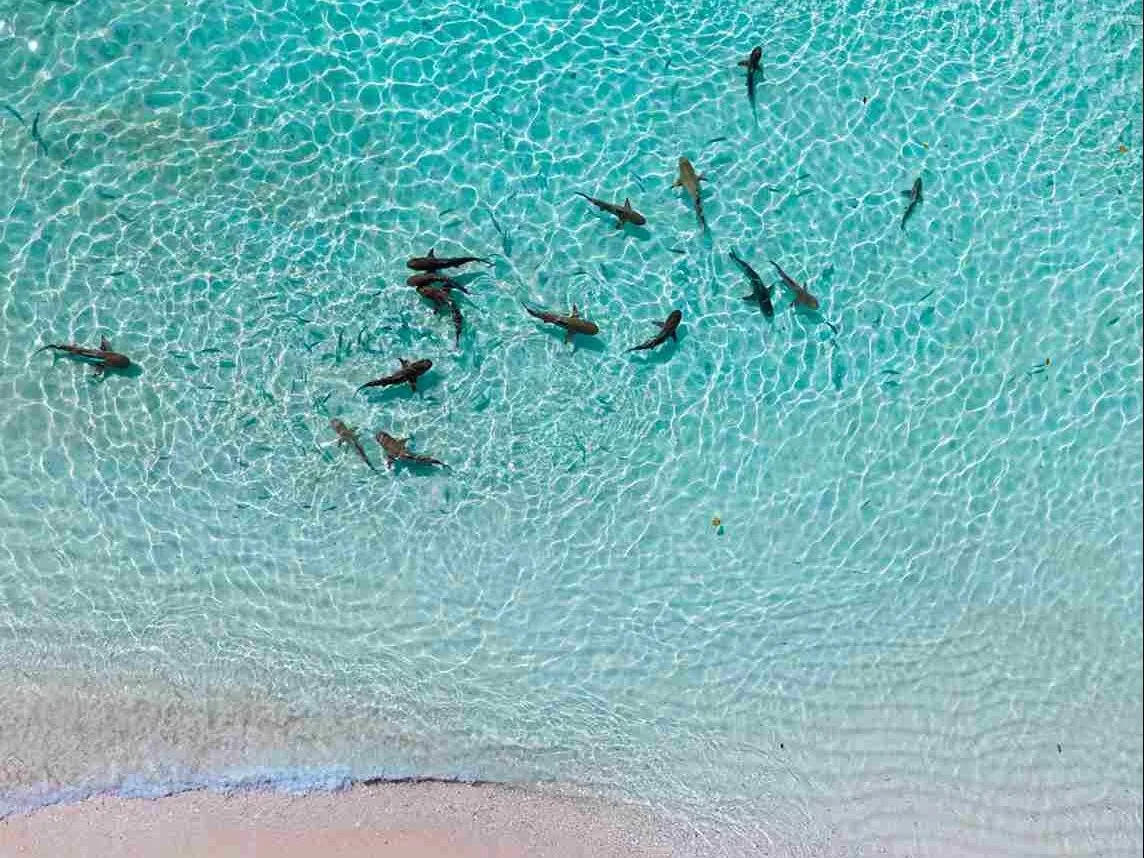
Alor vs Komodo Liveaboard Costs: A 2026 Diver’s Breakdown
Alor liveaboards usually cost more per dive than Komodo ones for structural reasons: long crossings, heavy fuel burn and thin…
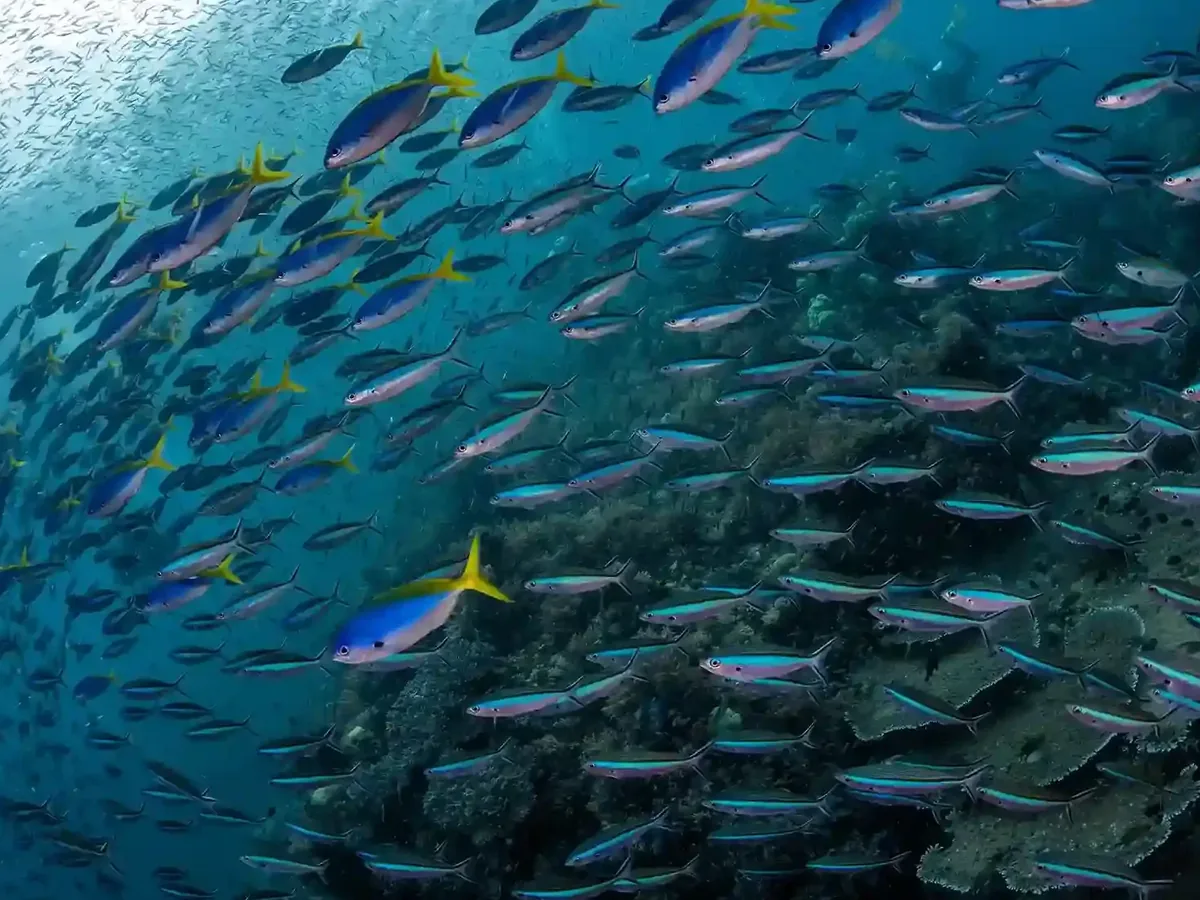
Alor–Pantar Strait Hyperbaric and Evacuation Logistics: A 2027 Safety Outlook
The nearest recompression chamber to the Alor–Pantar Strait sits in Bali, hundreds of kilometres and a multi-leg journey west, so…
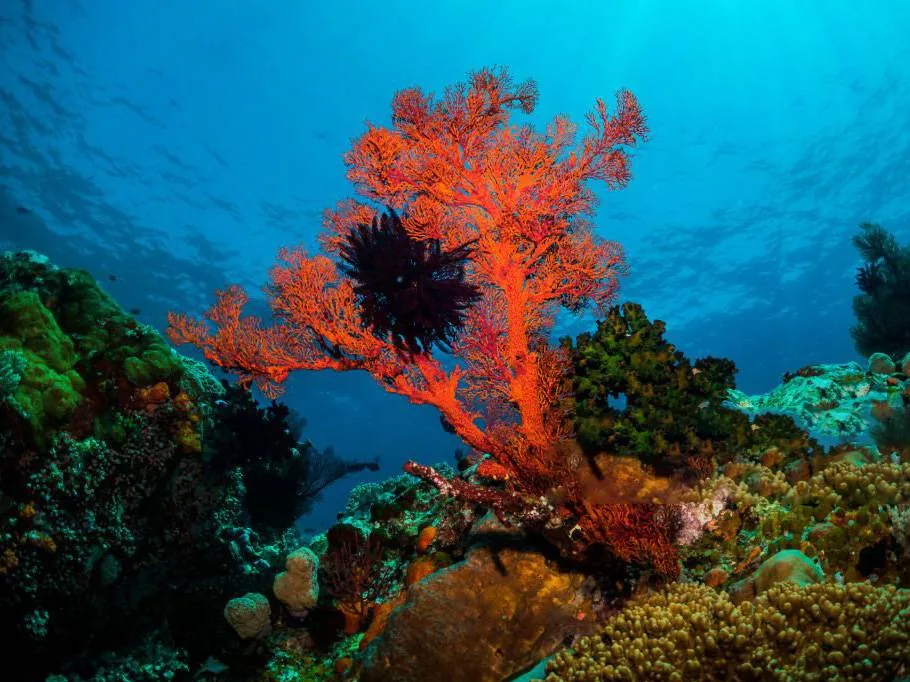
Alor to Komodo Frontier Liveaboard Expeditions: A 2027 Route Outlook
An Alor-to-Komodo frontier liveaboard expedition strings together two of Indonesia's wildest dive regions in one crossing — current-swept Pantar Strait…
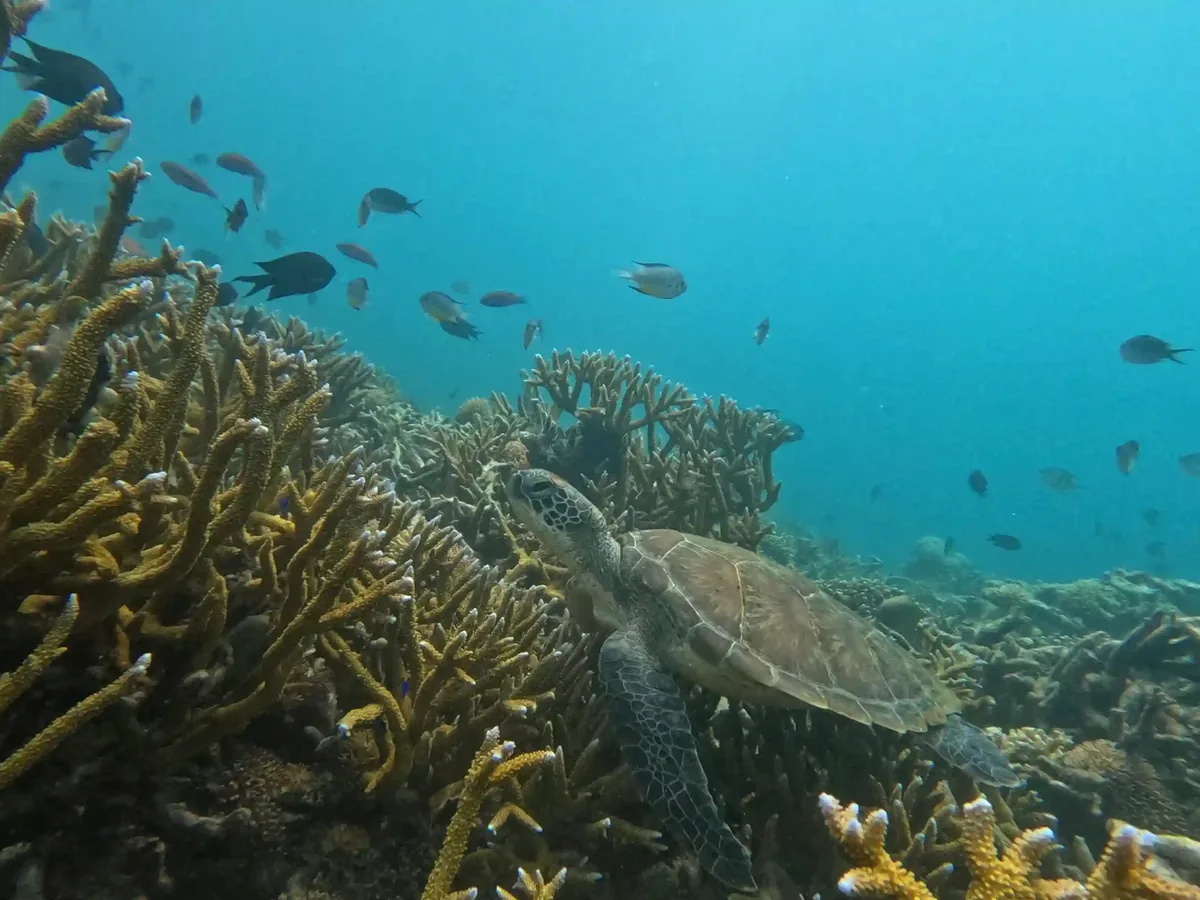
Community-Based Marine Conservation Projects in Alor: A 2027 Outlook
Community-based marine conservation in Alor centers on the Alor marine protected area (MPA) around Kalabahi Bay and the Pantar Strait,…
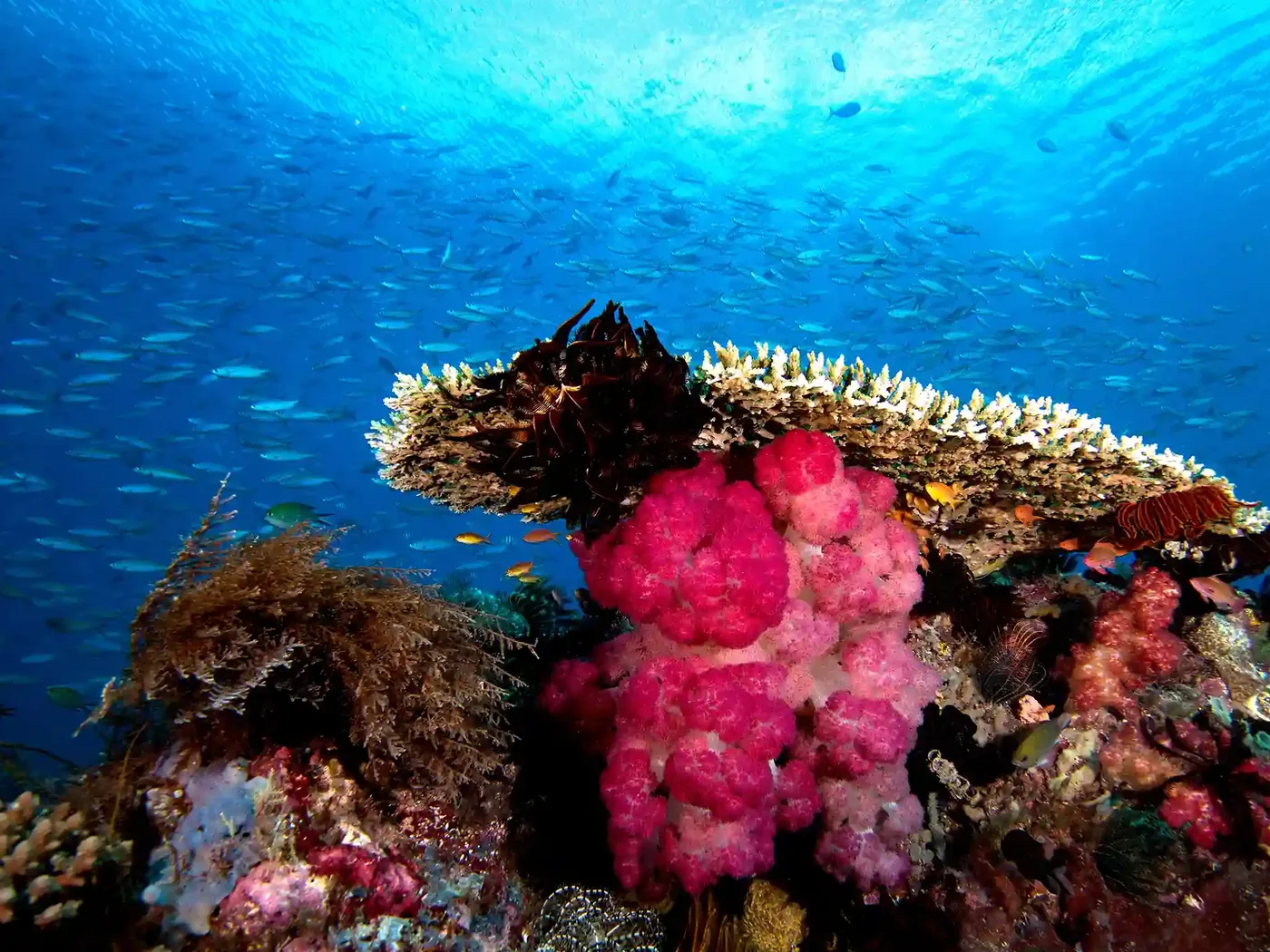
Alor and Forgotten Islands Combination Itineraries: A 2027 Crossing Guide for Photographers
A combination itinerary pairs Alor and Pantar's current-swept walls with the remote Forgotten Islands arc toward Banda — usually a…
Kupang Gateway Guide for Alor Divers: 2027 Group Logistics
Kupang — the East Nusa Tenggara provincial capital on Timor — is the practical mainland gateway for dive groups bound…