How to Plan an Alor Diving Expedition: A First-Timer’s Step-by-Step Guide
Plan an Alor diving expedition in five steps: lock your dates inside the April-November window, confirm you hold at least PADI Open Water with 50-100 logged dives, decide between land-based or liveaboard, budget for the mandatory marine park permit and DAN insurance, then brief a concierge on your dates, certification, and target species.
The Alor and Pantar islands sit in the eastern Lesser Sunda chain of East Nusa Tenggara, deep inside the Coral Triangle — one of the richest marine regions on Earth. The diving here is spectacular and demanding, so a good plan is worth more than at easier destinations. Here is how a first-timer builds one.
When should you go — and why does April to November matter?
Alor’s dive season runs roughly April to November. Conditions are most settled in these dry months, while the rainy season from about November to March brings unsettled surface water, rain, and thinner visibility. For the widest choice of sites and the calmest logistics, plan inside the dry window.
Currents, temperature, and visibility shift month to month. October and November carry the most prevalent currents, which reward experienced divers with big-fish action but demand respect. September is widely considered the best month to look for mola mola in the Pantar Strait.
| Period | Water temp | Visibility | What to expect |
|---|---|---|---|
| Mar-Apr | ~25 C | Variable | Shoulder season, cooler water |
| May-Sep | 31-32 C | 15-40 m | Warm surface; plankton blooms can cut viz to 15 m, June-Oct can reach ~40 m |
| Sep | Warm | Good | Best window for mola mola |
| Oct-Nov | ~25 C | 25-30 m | Strongest currents, prime pelagic odds |
Thermoclines can still drop some sites to 20 C or lower, so pack exposure protection even in the warm months. Blue whales and hammerheads are possible in season, never guaranteed — treat any encounter as a bonus, not a booking promise.
Are you experienced enough to dive Alor?
This is the step most first-timers skip, and the one that matters most. Alor is for experienced divers. Most operators ask for a minimum of PADI Open Water for fun diving, and recommend 50-100 logged dives before you will feel comfortable in the Pantar Strait.
The reason is current. The strait has strong surface currents that require a rapid descent, quick equalising, and regrouping around 5 metres. Typical dives run 15-25 metres. One documented scalloped-hammerhead site drops to roughly 32 metres in very strong current and demands genuine fitness.
A few rules are near-universal across licensed Alor operators, as of 2026:
- All dives are no-decompression
- Solo diving is not allowed
- Bottom time is typically capped at 60 minutes, or when you reach 50 bar
- Dive guides must hold special certification to work inside the Alor marine protected area
If your logbook is thin, build dives elsewhere first, or plan a few easier check-out dives at the start of your trip. When you are ready to book an Alor diving expedition, your certification card and an honest dive count are the first things a concierge will ask for.
Liveaboard or land-based — which suits your trip?
Both formats work in Alor, and the right one depends on your budget, comfort preferences, and how many sites you want to reach.
| Feature | Land-based resort | Liveaboard |
|---|---|---|
| Style | Bungalows on Pantar, local traditional design | Boat cabin, sites reached overnight |
| Capacity (reference) | ~16 divers | Varies by vessel |
| Site access | 40+ sites within 30-45 min by boat | Wider range, remote sites |
| Season | Year-round dry-season diving | Seasonal itineraries |
| Best for | Slower pace, muck diving from base | Covering the most ground |
A longstanding land-based resort on Pantar caters to about 16 divers in standard and deluxe bungalows, runs small quiet low-emission boats, draws on its own underground water reserve, and reaches more than 40 dive sites within 30-45 minutes. That radius makes it strong for macro and repeat visits to favourite walls.
Liveaboards suit divers who want remote sites in a single trip. Mainstream operators run seasonal Alor Sea itineraries — a Seven Seas route, for example, sails the September-October window, boarding at Kalabahi Bay and diving spots like Pasir Merah, a volcanic red-sand slope with gas vents north of Pura Island.
Your target marine life can decide for you. Kalabahi Bay is a volcanic black-sand muck-diving hotspot — Pegasus sea moths, mimic octopus, seahorses, nudibranchs, and frogfish — and because these critters don’t travel far, muck diving stays good year-round from a base. The Pantar Strait favours wide-angle, with schooling fish, mola mola, dolphins, pilot whales, and the occasional orca.
What will an Alor expedition cost?
Honest answer: there is no single public price list to quote. No current, citable price tables exist publicly for Alor dive packages, liveaboards, or the marine park fee — only the certainty that a fee and permit are required. Any figures Currentline Alor shares are Bali Premium Trip’s own indicative commercial data, dated as of 2026 and subject to change, never presented as sourced facts.
Build your budget around these non-negotiables:
- Marine park permit and fee — every diver must attend a mandatory briefing by MPA officers, pay the marine park fee, and hold a permit before any marine activity
- DAN or equivalent dive-accident insurance — mandatory, because the nearest hyperbaric chamber is in Bali and evacuation or chamber costs are not covered by standard medical insurance
- Diving package — land-based day rates or a full liveaboard berth
- Domestic flights and transfers to reach Alor
- Gear rental or excess baggage if you bring your own kit
Fishing and spearfishing are off-limits for visitors, so there are no such add-ons to budget. The reef, turtles, marine mammals, thresher sharks, mangroves, and seagrasses are all protected, and diver numbers per site are capped by WWF-determined carrying capacity.
What does the concierge need to know?
Currentline Alor is an independent concierge operated by Bali Premium Trip; it arranges trips via vetted, licensed Alor partners rather than running boats itself. To match you to the right operator and dates, have this ready:
- Travel dates and flexibility (helps hit the right current and species window)
- Your certification level and an honest logged-dive count
- Whether you already hold DAN or equivalent insurance
- Target species or dive style — macro, wide-angle, pelagics
- Land-based versus liveaboard preference
- Group size and any non-divers travelling
- Arrival routing so transfers to Alor line up
Send those details by WhatsApp on 6281128590000 or email [email protected], and the concierge maps a realistic itinerary against carrying-capacity limits and permit rules — subject to partner availability and change.
Frequently Asked Questions
How far in advance should I plan an Alor diving expedition?
Aim for three to six months ahead, especially for the April-November peak and the September-October liveaboard itineraries, which fill early. Earlier planning secures your preferred dates, gives time to log extra dives if your count is low, and lets you arrange DAN insurance and domestic flights before prices climb. Remote logistics reward early confirmation.
How do I get to Alor, and where do most expeditions start?
Most travellers route through Kupang in West Timor, then take a short flight to Alor’s airport near Kalabahi. Liveaboards typically board in Kalabahi Bay, while land-based stays continue by road and boat to Pantar. Confirm the exact connections with your concierge, since domestic schedules change and tight layovers can derail a same-day arrival.
Do I need to bring my own dive gear to Alor?
Rental gear is usually available through licensed partners, but experienced divers often bring their own exposure suit, computer, and reef hook for current diving, where a familiar fit matters. Pack for water that ranges from about 25 C to 32 C, with cooler thermoclines. Tell your concierge what you need so rental sizes are reserved in advance.
More from the journal
Keep reading
Alor vs Komodo Liveaboard Costs: A 2026 Diver’s Breakdown
Alor liveaboards usually cost more per dive than Komodo ones for structural reasons: long crossings, heavy fuel burn and thin…
Alor–Pantar Strait Hyperbaric and Evacuation Logistics: A 2027 Safety Outlook
The nearest recompression chamber to the Alor–Pantar Strait sits in Bali, hundreds of kilometres and a multi-leg journey west, so…
Alor to Komodo Frontier Liveaboard Expeditions: A 2027 Route Outlook
An Alor-to-Komodo frontier liveaboard expedition strings together two of Indonesia's wildest dive regions in one crossing — current-swept Pantar Strait…
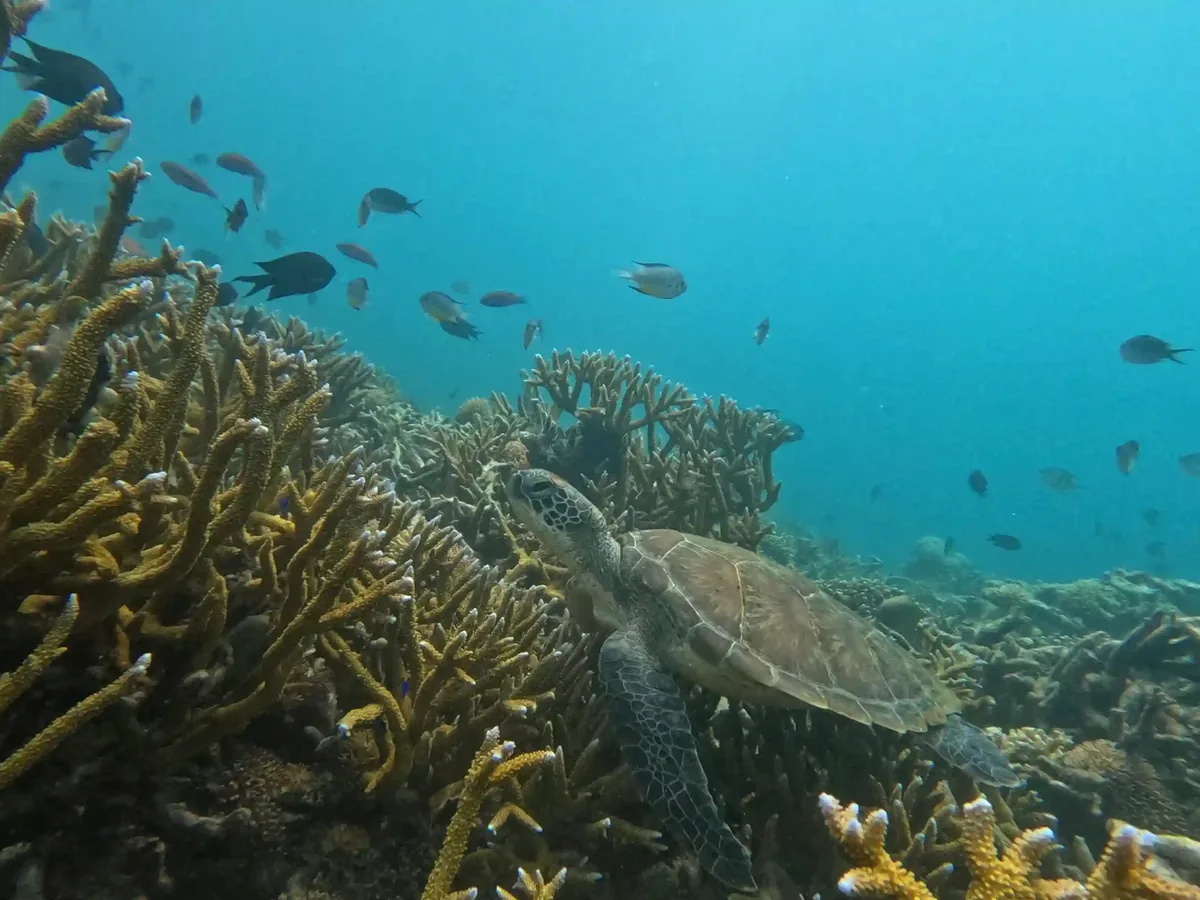
Community-Based Marine Conservation Projects in Alor: A 2027 Outlook
Community-based marine conservation in Alor centers on the Alor marine protected area (MPA) around Kalabahi Bay and the Pantar Strait,…
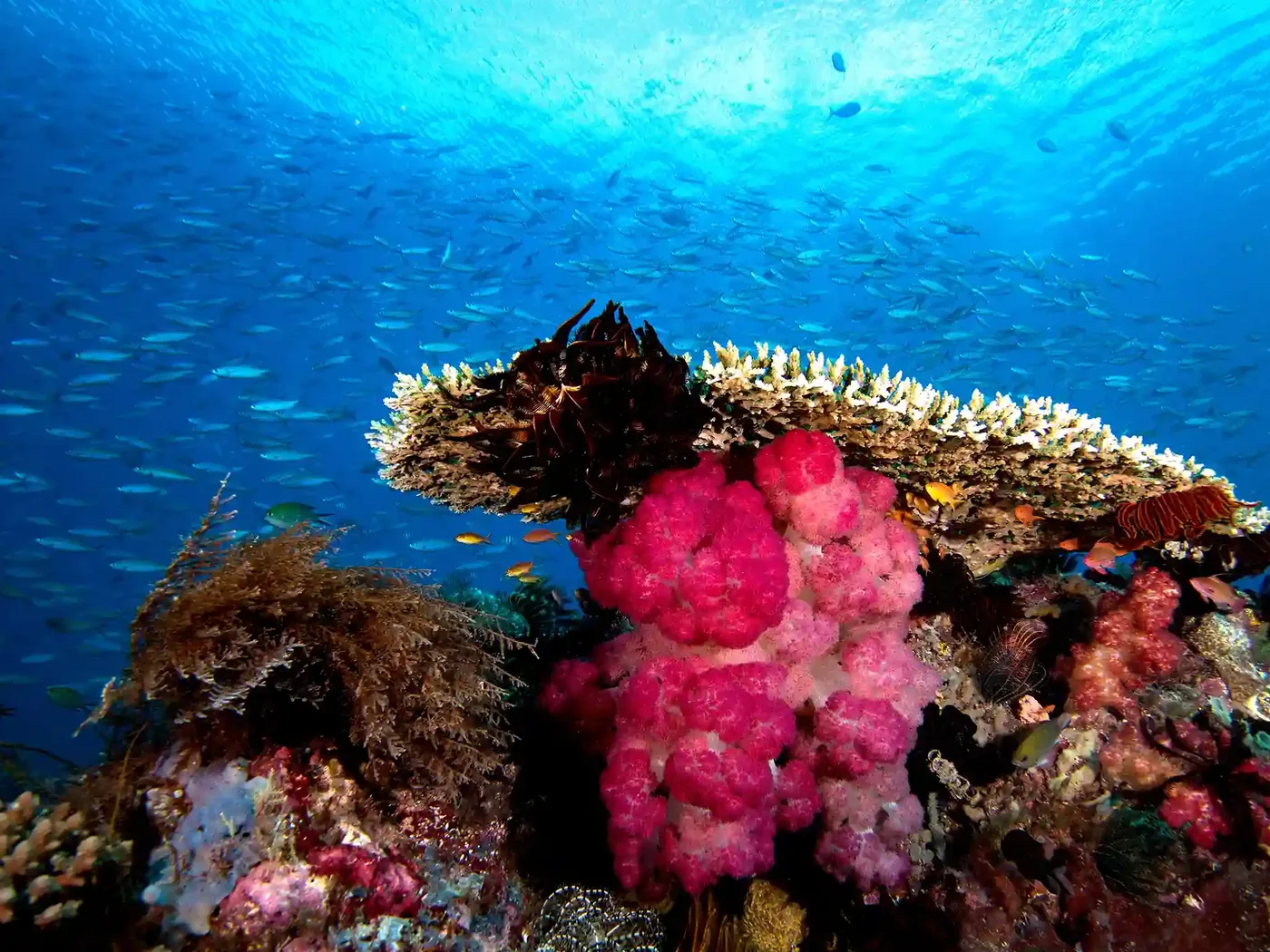
Alor and Forgotten Islands Combination Itineraries: A 2027 Crossing Guide for Photographers
A combination itinerary pairs Alor and Pantar's current-swept walls with the remote Forgotten Islands arc toward Banda — usually a…
Kupang Gateway Guide for Alor Divers: 2027 Group Logistics
Kupang — the East Nusa Tenggara provincial capital on Timor — is the practical mainland gateway for dive groups bound…