
Best Time of Year to Dive Alor: A Month-by-Month Guide
The best time to dive Alor is April to November, when the Pantar Strait settles into its dry-season rhythm. October and November bring the strongest currents and the best odds for big pelagics, while September gives you the clearest water and top mola mola chances. Avoid the November-to-March rainy months.
Why does April to November win for diving Alor?
Alor and neighbouring Pantar sit in the eastern Lesser Sunda Islands of East Nusa Tenggara, inside the Coral Triangle — one of the richest patches of marine biodiversity on the planet. The catch is that the water moves. The Pantar Strait pushes strong surface currents that demand a fast descent, quick equalising, and a regroup around 5 metres, so timing your trip to the calmer stretch of the year matters more here than at gentler Indonesian sites.
Through the dry season, roughly April to November, the surface settles, rain eases, and visibility opens up. This is when Alor rewards experienced divers with its gorgonian walls and drift dives, most of them run between 15 and 25 metres. October and November carry the most prevalent currents of the year — thrilling for confident divers, and the exact window when big animals are most likely to appear. If pelagics are your reason for coming, the October run anchors most Alor hammerhead shark expeditions and other big-fish trips, though nothing about sharks or whales is ever guaranteed.
The flip side is the rainy season, roughly November to March. Expect unsettled surface conditions, rain, and reduced visibility. Muck diving still holds up, but the wide-angle wall and drift diving Alor is famous for is at its least reliable.
How do water temperature and visibility change through the year?
Two numbers decide what you pack and what you’ll see: water temperature and visibility. Both swing hard across the calendar in Alor, and thermoclines can catch you out — some sites drop to 20°C or lower even when the surface feels tropical.
| Period | Typical water temp | Visibility | What defines it |
|---|---|---|---|
| March–April | Around 25°C | 25–30m, variable | Cooler shoulder season, dry conditions building |
| May–September | 31–32°C (southeast monsoon) | Can fall to 15m or less in plankton blooms | Warmest surface water; blooms feed critters but cut clarity |
| June–October | Warm, thermoclines to 20°C at depth | Up to ~40m on the best days | Clearest, driest stretch of the year |
| October–November | Back to around 25°C | 25–30m typical | Most prevalent currents; peak pelagic odds |
Note the overlap: June to October delivers both the clearest water and, by September, the best odds of spotting mola mola. Bring a 5mm wetsuit at minimum — the surface may read 31°C in July, but a thermocline can send a single dive down toward 20°C without warning.
Which months suit muck diving versus wide-angle?
Alor is really two dive trips in one, and they don’t follow the same calendar.
- Kalabahi Bay muck diving is a volcanic black-sand hunting ground for macro shooters — Pegasus sea moths, mimic octopus, seahorses, nudibranchs, and frogfish. Because these critters barely travel, muck diving stays productive year-round, which makes the bay a dependable fallback even during the wetter months when the open strait turns rough.
- Pantar Strait wide-angle is the opposite story. This is where schooling fish, mola mola, dolphins, pilot whales, and the occasional orca move through, and it rewards the dry-season stretch when currents run clean and visibility opens toward 40 metres. If your camera is rigged for reef-scapes and big animals, weight your trip toward June to November.
When are the pelagic windows for hammerheads, mola mola and whales?
This is where honesty matters. Big-animal encounters in Alor are possible, not predictable, and any operator promising a guaranteed hammerhead is selling you something the ocean can’t deliver.
That said, the odds concentrate around a few points in the year:
- Mola mola: September is the single best month to spot them, riding the cooler upwellings.
- Scalloped hammerheads: the October window gives the best shot. One documented hammerhead site sits around 32 metres in very strong current — fitness and experience are non-negotiable there.
- Blue whales and other cetaceans: possible through the season, never on a schedule; dolphins, pilot whales, and rare orcas pass through the Pantar Strait.
Mainstream liveaboards mirror this timing. A Seven Seas Alor Sea itinerary, for instance, runs seasonal trips through Alor-Pantar in the September–October window, boarding at Kalabahi Bay and diving sites like Pasir Merah, a volcanic red-sand slope with gas vents north of Pura Island.
What should you plan around before you book a month?
Season isn’t the only variable. Alor’s waters are managed as a marine protected area, and the rules shape your trip regardless of when you come.
- Every diver, snorkeller and marine tourist must attend a mandatory briefing by MPA officers, pay a marine park fee, and obtain a permit before any marine activity.
- Guides need special MPA certification on top of standard agency certs, and diver numbers per site are capped by WWF-determined carrying capacity.
- Minimum PADI Open Water is required for fun diving, with 50–100 logged dives recommended for comfort in the strait’s currents. Typical bottom time caps at 60 minutes or 50 bar; solo diving isn’t allowed; all dives are no-decompression.
- DAN (or equivalent) dive-accident insurance is mandatory — the nearest hyperbaric chamber is in Bali, and evacuation and chamber costs aren’t covered by standard medical insurance.
If you’d rather not commit to a liveaboard schedule, a longstanding land-based resort on Pantar caters to 16 divers in traditional-style bungalows and reaches 40-plus dive sites within 30 to 45 minutes by boat — a calmer base whatever month you choose.
One last planning note on money: no public, citable price tables exist for Alor dive packages, liveaboards, or the marine park fee itself — only the certainty that a fee and permit are required. Any figures Currentline Alor quotes are our own indicative commercial estimates as of 2026, subject to change, and never presented as sourced facts. Pick your month around conditions first, and the rest of the trip falls into place.
Frequently Asked Questions
Can you dive Alor year-round, or only in the dry season?
Alor is technically diveable year-round, and Kalabahi Bay’s muck sites stay productive even in the November–March rainy season because the critters don’t migrate. But the open Pantar Strait turns rough with unsettled surface and reduced visibility in those months, so wide-angle and pelagic diving is far more reliable from April to November.
What is the best month for underwater visibility in Alor?
The dry season, June to October, brings the best clarity, reaching up to around 40 metres on the calmest days. Normal visibility across the year sits at 25 to 30 metres. Be aware that May-to-September plankton blooms, while great for macro life, can cut visibility to 15 metres or less on affected days.
How cold does the water get in Alor, and when?
Water temperature bottoms out around 25°C in March–April and again in October–November, the cooler shoulder stretches. Even during the warm May–September months, when the surface hits 31–32°C, thermoclines can plunge a single dive toward 20°C or lower. Pack a 5mm wetsuit year-round, and consider a hood for the cooler months.
More from the journal
Keep reading
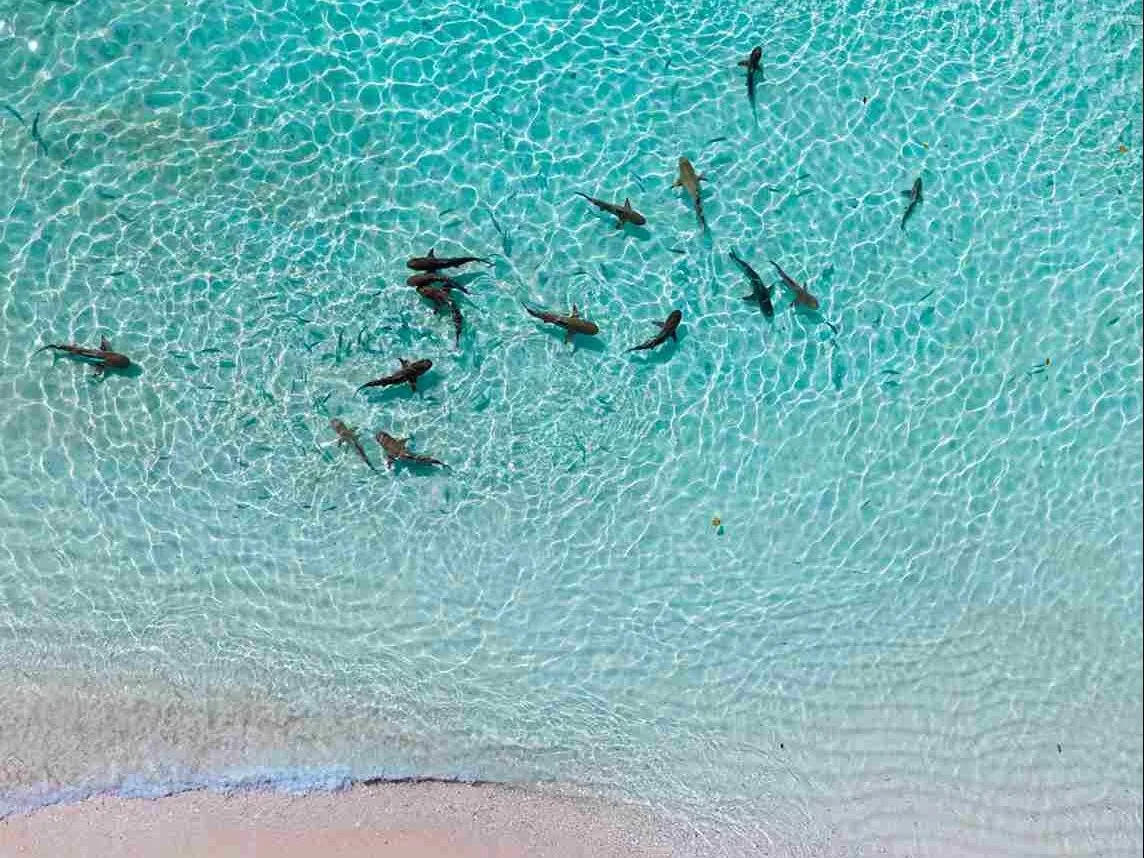
Alor vs Komodo Liveaboard Costs: A 2026 Diver’s Breakdown
Alor liveaboards usually cost more per dive than Komodo ones for structural reasons: long crossings, heavy fuel burn and thin…
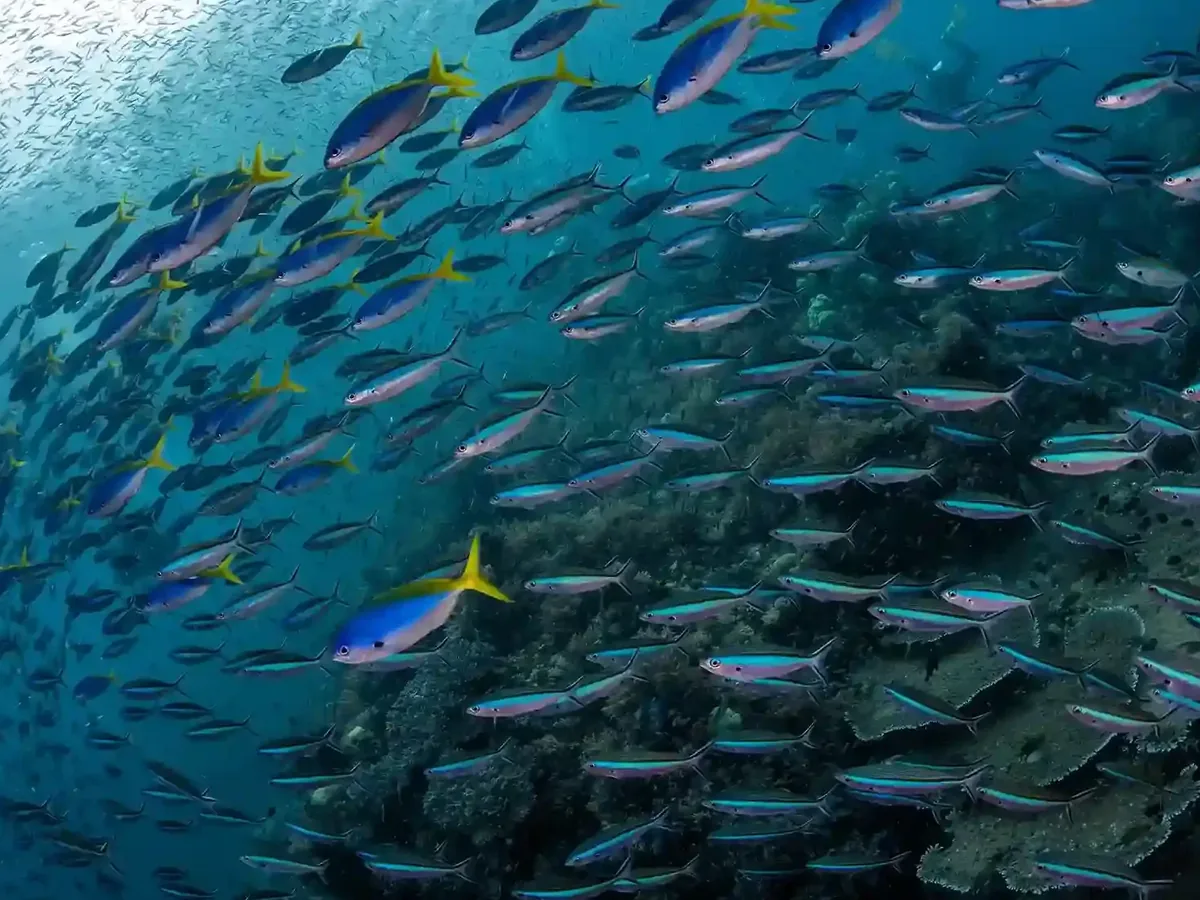
Alor–Pantar Strait Hyperbaric and Evacuation Logistics: A 2027 Safety Outlook
The nearest recompression chamber to the Alor–Pantar Strait sits in Bali, hundreds of kilometres and a multi-leg journey west, so…
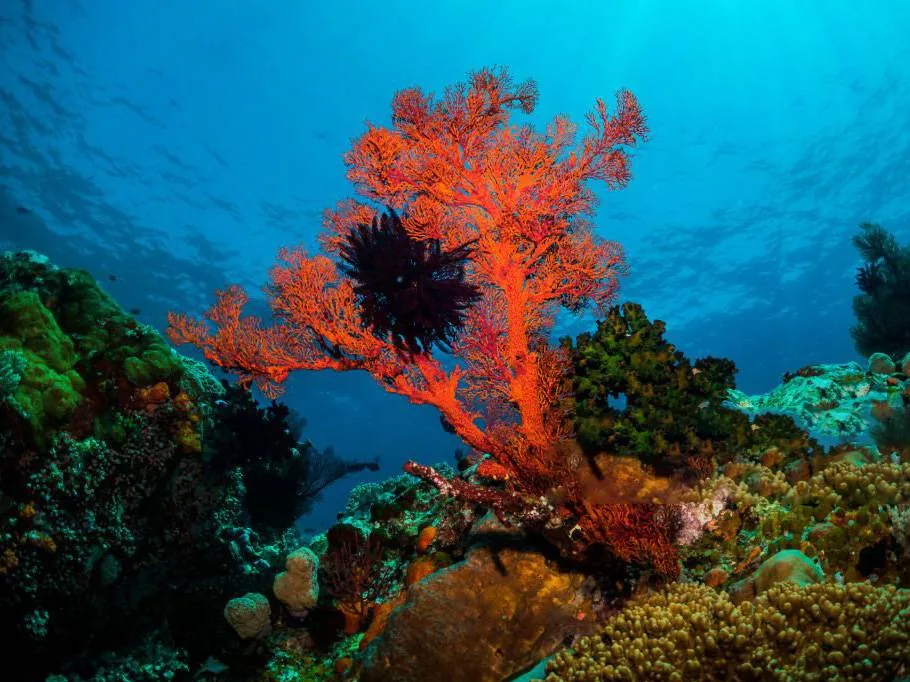
Alor to Komodo Frontier Liveaboard Expeditions: A 2027 Route Outlook
An Alor-to-Komodo frontier liveaboard expedition strings together two of Indonesia's wildest dive regions in one crossing — current-swept Pantar Strait…
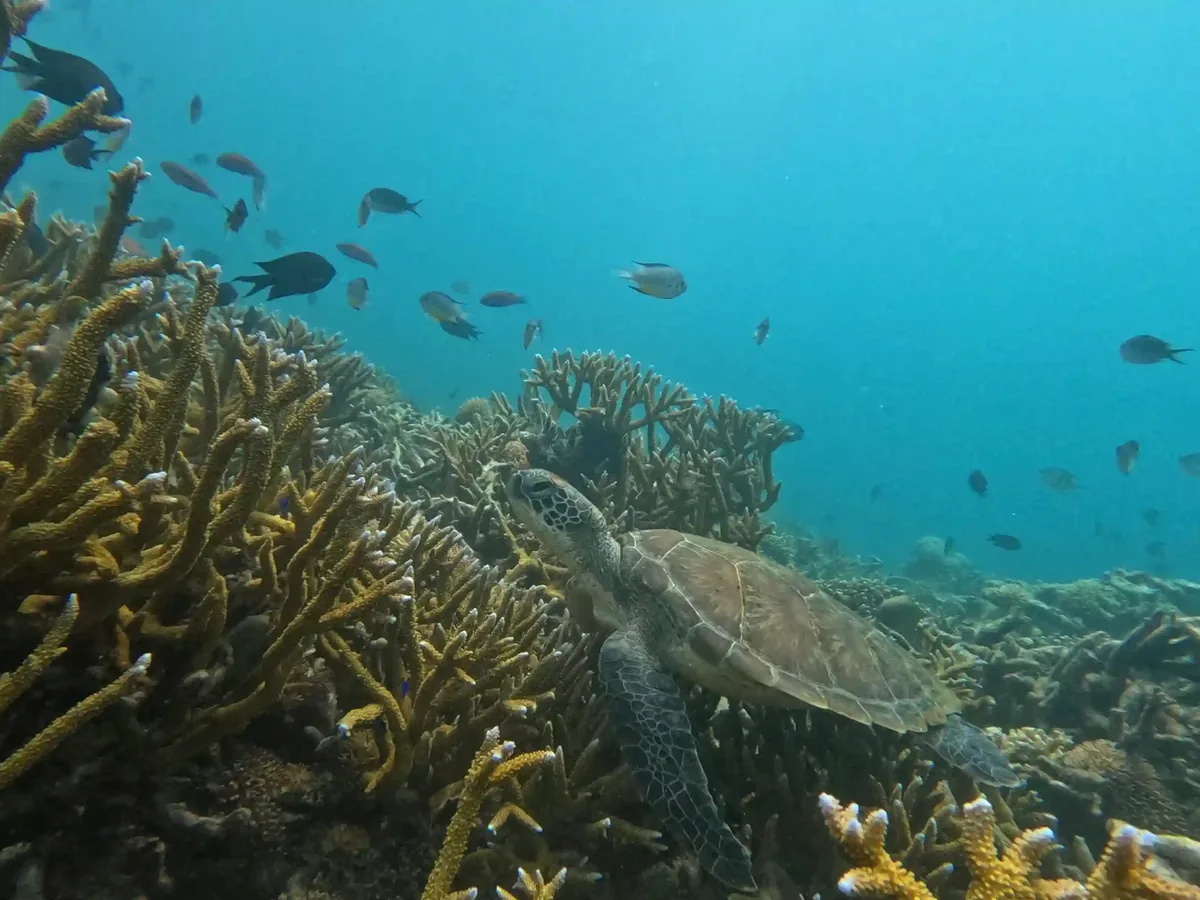
Community-Based Marine Conservation Projects in Alor: A 2027 Outlook
Community-based marine conservation in Alor centers on the Alor marine protected area (MPA) around Kalabahi Bay and the Pantar Strait,…
Alor and Forgotten Islands Combination Itineraries: A 2027 Crossing Guide for Photographers
A combination itinerary pairs Alor and Pantar's current-swept walls with the remote Forgotten Islands arc toward Banda — usually a…
Kupang Gateway Guide for Alor Divers: 2027 Group Logistics
Kupang — the East Nusa Tenggara provincial capital on Timor — is the practical mainland gateway for dive groups bound…